

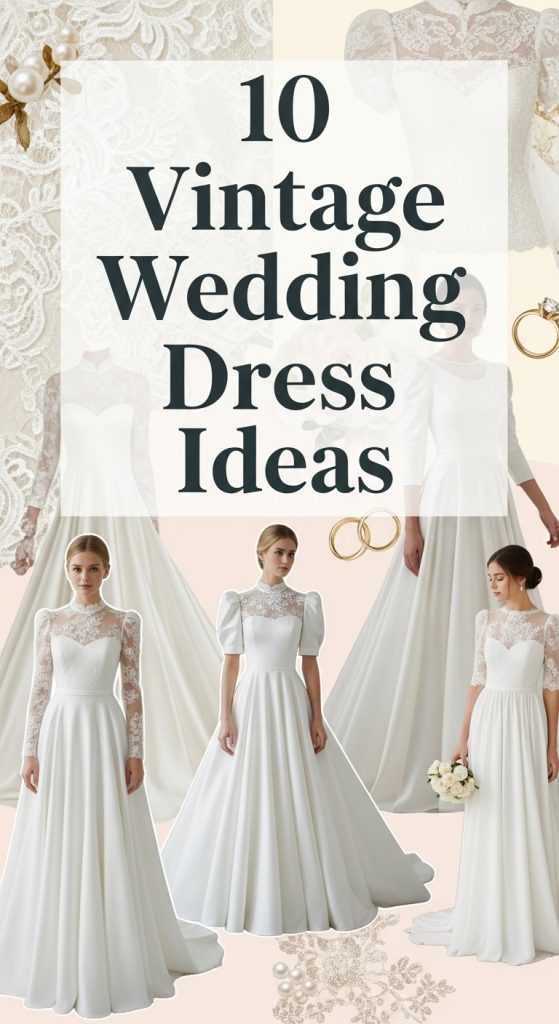
10 Vintage Wedding Dress Ideas
Weddings are timeless celebrations of love, but one element that continues to inspire brides across generations is the wedding dress. While modern bridal fashion evolves each year, vintage wedding dresses remain a beloved choice for their charm, elegance, and connection to history. A vintage wedding gown offers a sense of nostalgia and uniqueness, blending classic craftsmanship with romantic details that transcend trends.
Whether you’re a bride inspired by the glamour of the 1920s, the feminine silhouettes of the 1950s, or the bohemian vibes of the 1970s, there’s a vintage style to match your vision. Vintage wedding dresses aren’t just about wearing something old—they symbolize grace, individuality, and storytelling. From lace overlays to flowing fabrics and intricate beadwork, these dresses remind us of an era when every stitch carried meaning.
This article explores 10 vintage wedding dress ideas that capture the essence of different eras. Each style embodies timeless elegance while allowing today’s brides to create their own unforgettable moments.
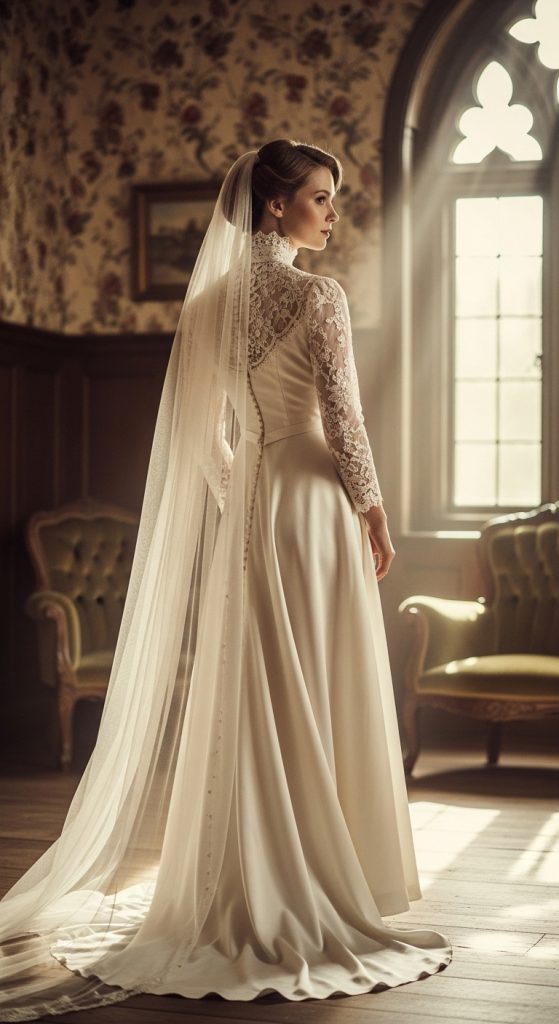
1. The Edwardian Lace Gown
The Edwardian era (early 1900s) was defined by romanticism, grace, and refinement. A vintage Edwardian-inspired wedding gown is ideal for brides who dream of soft, delicate elegance.
Features:
- High lace collars for a regal touch.
- Long sleeves with intricate embroidery.
- Flowing skirts made from silk, tulle, or chiffon.
- Pearly button details down the back.
Why It Works:
This style exudes vintage sophistication and works perfectly for brides who want to channel a regal, modest look. Pairing the gown with a long cathedral veil enhances its timeless feel.
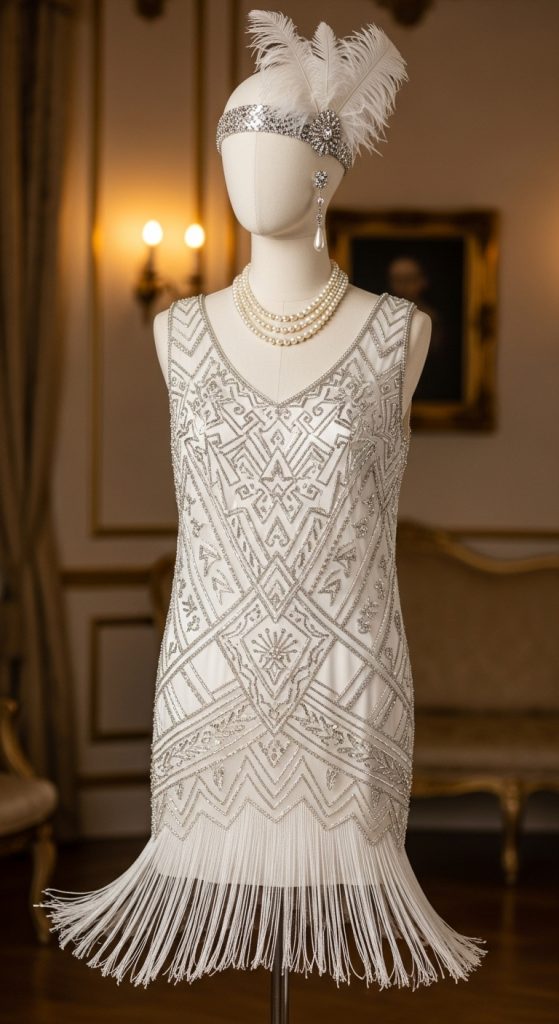
2. The 1920s Flapper-Inspired Dress
The roaring twenties brought boldness and freedom into fashion. A flapper-style wedding dress is both glamorous and playful, making it perfect for vintage-loving brides.
Features:
- Drop waistlines for a straight silhouette.
- Beaded embellishments with art deco motifs.
- Fringes or tassels for movement.
- Sleeveless or cap-sleeved designs.
Why It Works:
This dress is ideal for brides who love the energy of the Jazz Age. It’s light, comfortable, and perfect for dancing the night away while still radiating vintage charm.
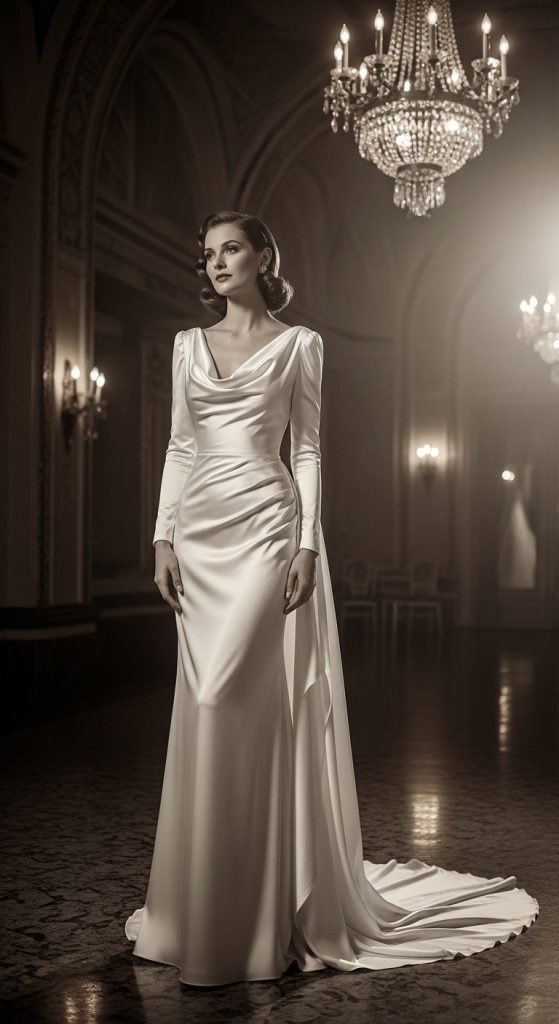
3. The 1930s Hollywood Glamour Gown
The 1930s were all about old Hollywood elegance. Wedding dresses from this era emphasized sleek lines and luxurious fabrics.
Features:
- Bias-cut silk satin gowns that drape gracefully.
- Cowl necklines or deep V-necks.
- Long fitted sleeves.
- Floor-sweeping trains for drama.
Why It Works:
A 1930s gown is timelessly elegant. The soft draping and sheen of satin make brides look radiant under any light, perfect for glamorous evening weddings.
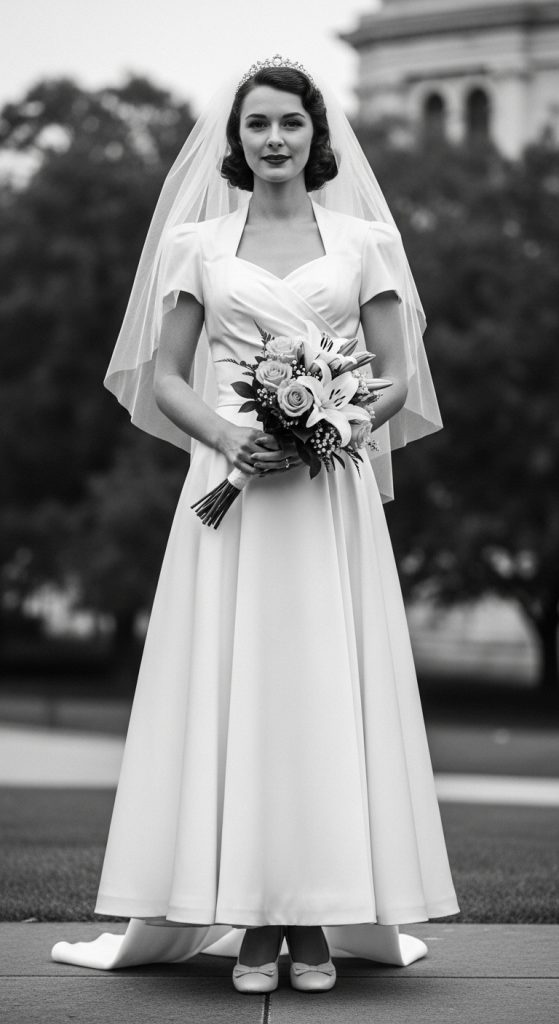
4. The 1940s Wartime Elegance Dress
During the 1940s, wartime fashion emphasized practicality but didn’t lose its beauty. Brides wore gowns with understated details and classic cuts.
Features:
- Modest A-line skirts.
- Sweetheart or square necklines.
- Shorter trains or none at all.
- Satin or rayon fabrics.
Why It Works:
This style represents simplicity and resilience. It’s perfect for brides who love understated elegance and prefer a gown that highlights natural beauty over extravagance.
5. The 1950s Tea-Length Dress
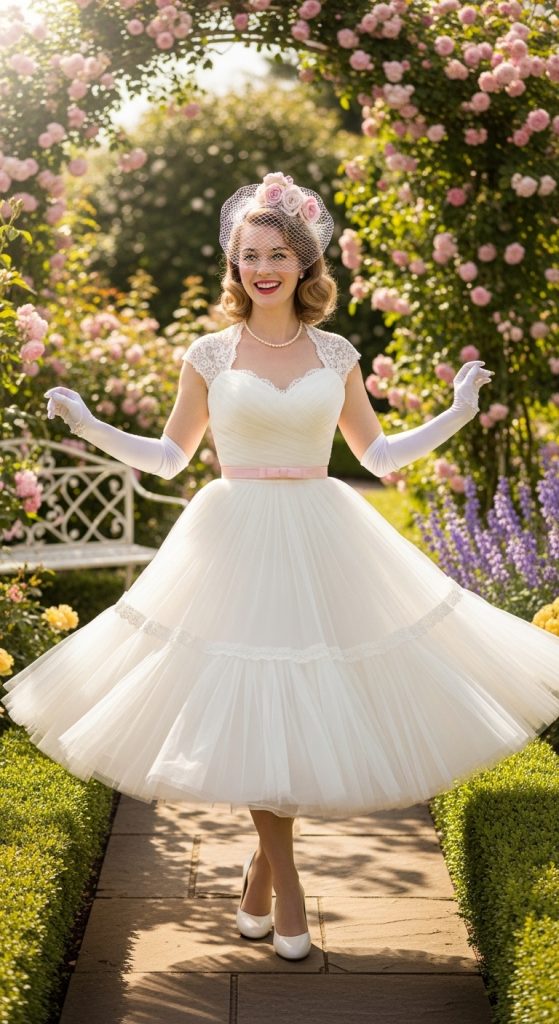
The 1950s were all about femininity and fun. Tea-length wedding dresses became iconic during this decade, combining playfulness with romance.
Features:
- Cinched waists with voluminous skirts.
- Tea-length hemline (mid-calf).
- Layers of tulle for volume.
- Strapless, sweetheart, or bateau necklines.
Why It Works:
This gown is ideal for brides who want a retro yet lighthearted look. It’s perfect for outdoor weddings, garden ceremonies, or vintage-themed receptions. Pair with peep-toe heels and a birdcage veil for authenticity.
6. The 1960s Mod Shift Dress
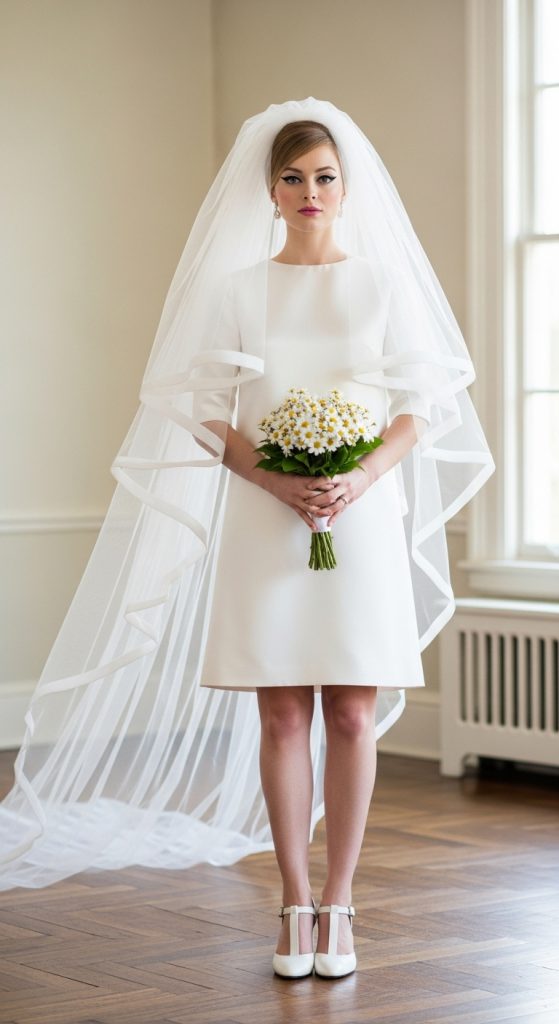
The swinging sixties brought bold changes to bridal fashion. Brides who embrace a chic and unconventional look will adore a mod-inspired shift dress.
Features:
- Short, straight silhouettes above the knee.
- Minimal embellishments.
- Simple fabrics like satin or silk.
- Often paired with statement veils or headpieces.
Why It Works:
This style is youthful, fun, and daring. It’s great for brides who want to break tradition and embrace a minimalist, vintage-chic vibe.
7. The 1970s Bohemian Gown
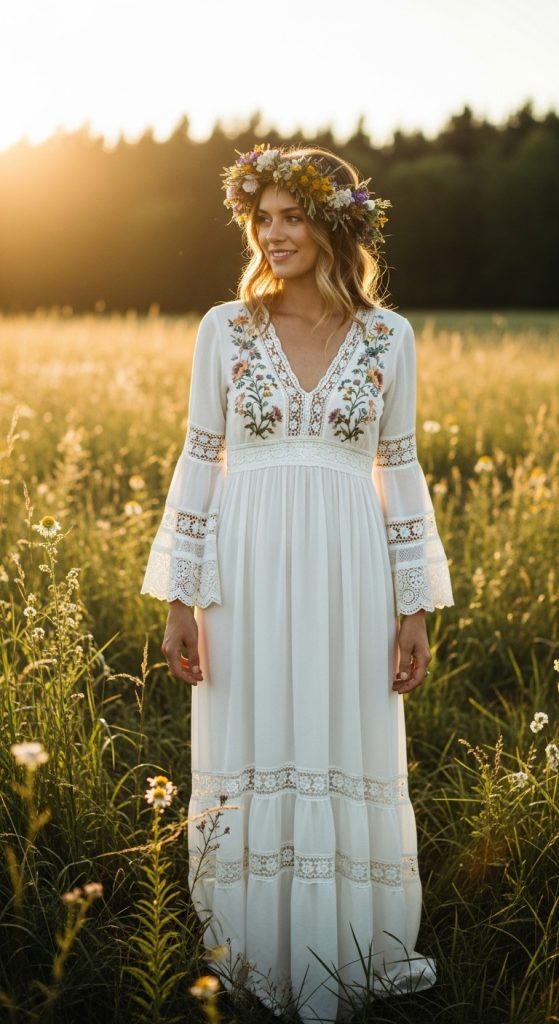
The free-spirited 1970s celebrated individuality and natural beauty, influencing bohemian-style wedding dresses that remain popular today.
Features:
- Flowing, loose-fitting silhouettes.
- Bell sleeves with lace trim.
- Floral embroidery or crochet details.
- Empire waistlines.
Why It Works:
This gown embodies relaxed romance. It’s perfect for outdoor weddings, beach ceremonies, or rustic barn venues. Pair with flower crowns and barefoot sandals for a complete boho vibe.
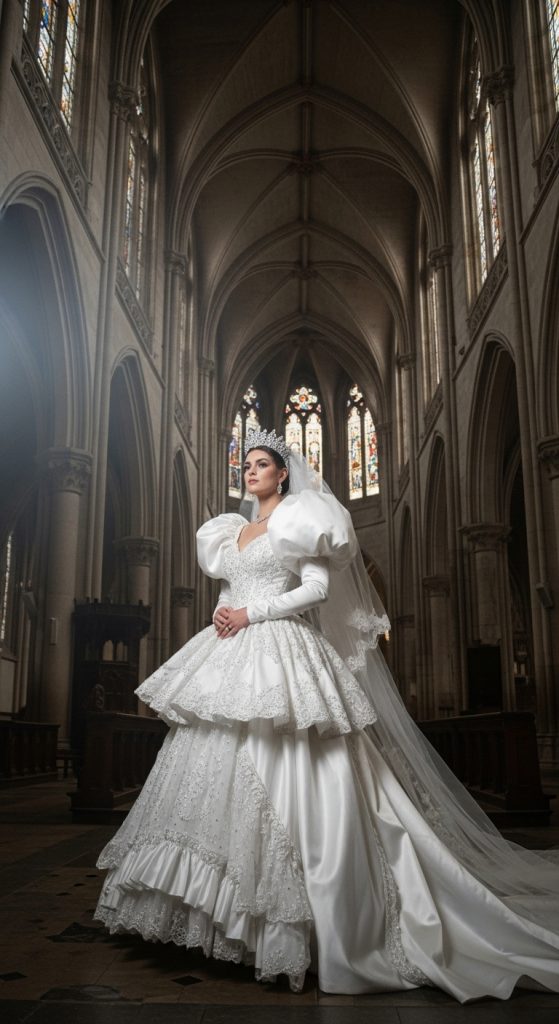
8. The 1980s Princess Dress
The 1980s embraced bold fashion, and bridal gowns were no exception. Inspired by royal weddings, this era emphasized drama and volume.
Features:
- Puffy sleeves.
- Oversized skirts with multiple layers.
- Ruffled details.
- Satin and tulle fabrics.
Why It Works:
This style is for brides who love drama and grandeur. With the resurgence of bold bridal fashion, an ‘80s-inspired gown can feel both nostalgic and stylish today.
9. The 1990s Minimalist Satin Dress
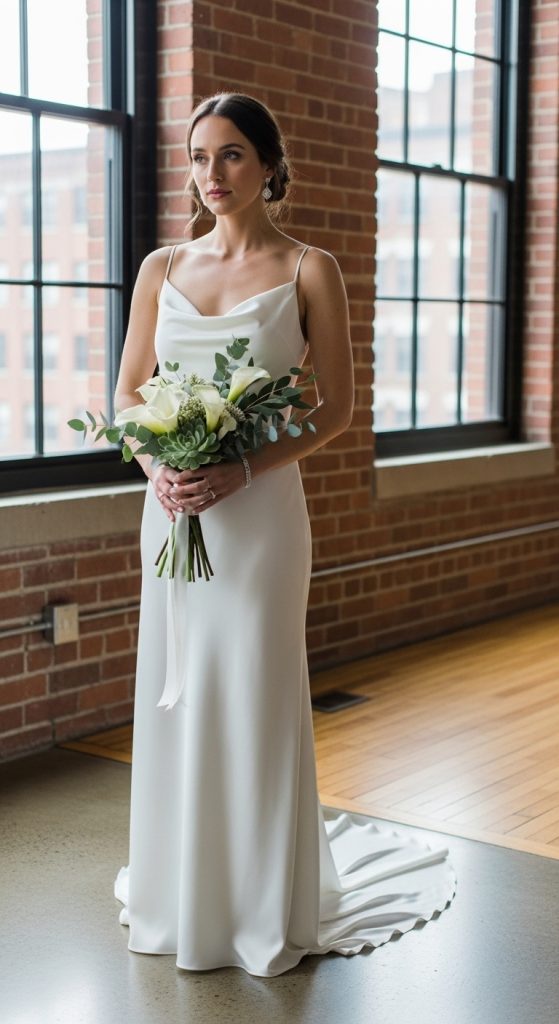
In contrast to the ‘80s, the 1990s focused on simplicity and sleekness. Slip dresses became a bridal staple during this decade.
Features:
- Satin slip silhouettes.
- Spaghetti straps.
- Clean lines without embellishments.
- Floor-length hems with subtle trains.
Why It Works:
This gown is chic, modern, and timeless. Brides who love understated elegance will appreciate its versatility and effortlessness. It’s ideal for minimalist weddings or city ceremonies.
10. The Vintage-Inspired Mixed-Era Dress
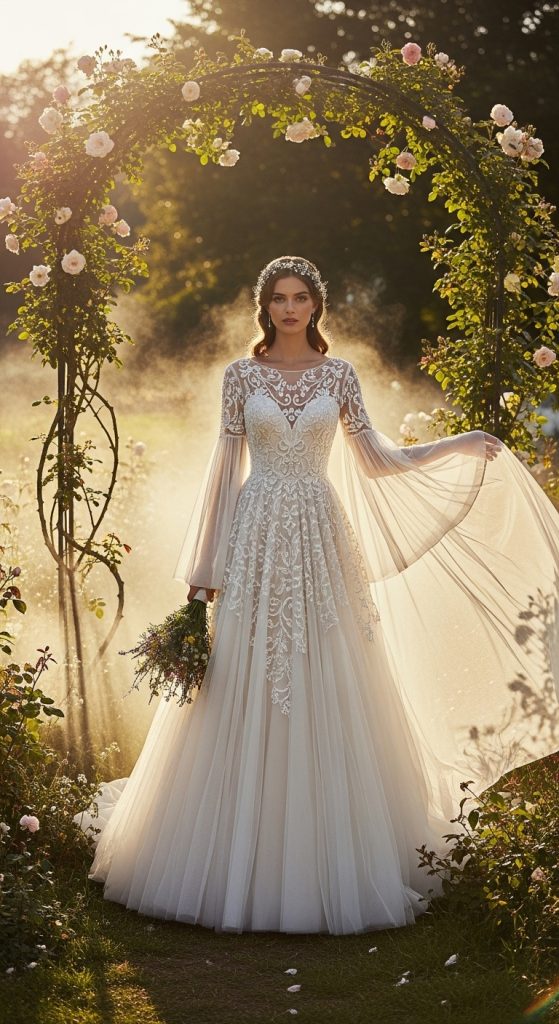
Some brides prefer a gown that combines elements from multiple eras to create a one-of-a-kind look. A mixed-era vintage dress celebrates individuality.
Features:
- 1920s beadwork with 1950s skirts.
- 1970s flowing sleeves with 1990s satin.
- Custom tailoring to highlight personal taste.
Why It Works:
This style is about creativity and personal storytelling. It’s perfect for brides who want their gown to be unique while still reflecting vintage inspiration.
Conclusion
A wedding dress is more than just attire—it’s a reflection of love, history, and individuality. Choosing a vintage wedding dress allows brides to embrace timeless elegance while connecting with fashion legacies from different eras. From the regal lace gowns of the Edwardian era to the playful tea-length dresses of the 1950s and the bohemian flow of the 1970s, each style tells its own story.
Vintage gowns are versatile enough to fit any bride’s personality, whether she dreams of glamour, simplicity, or boho charm. They also bring sustainability into weddings since many brides choose to repurpose or restore older gowns.
Ultimately, the perfect vintage wedding dress is one that makes a bride feel radiant, confident, and authentically herself on her big day.


