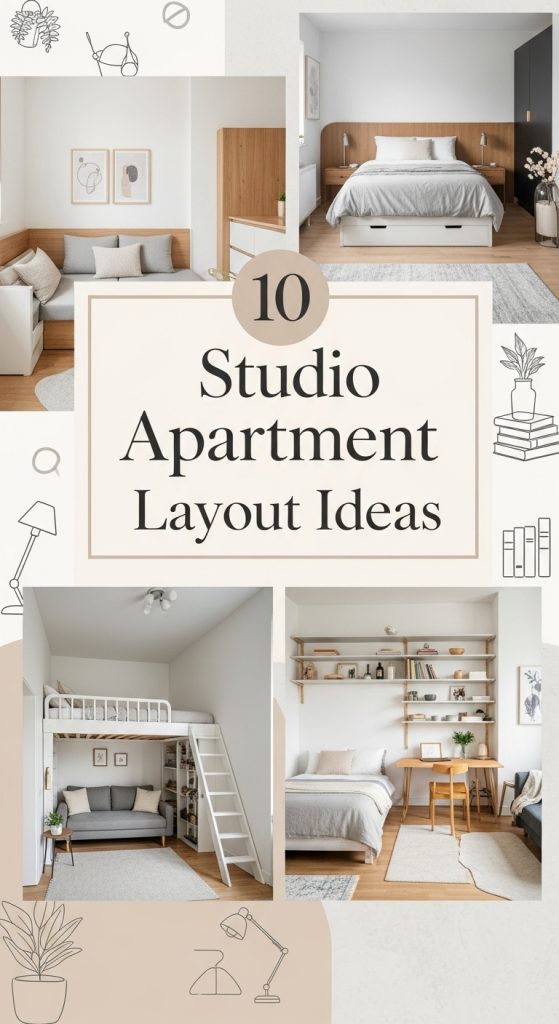
10 Studio Apartment Layout Ideas
Studio apartments are beloved for their efficiency, affordability, and compact charm. Yet, their open-concept design often poses a challenge: how do you fit all the functions of a home—sleeping, cooking, lounging, dining, and even working—into a single space without it feeling cluttered? The key lies in thoughtful layout planning.
A great studio apartment layout isn’t just about saving space; it’s about creating harmony, maximizing comfort, and ensuring each zone feels distinct yet cohesive. By strategically placing furniture, using dividers, and incorporating multifunctional pieces, you can transform even the smallest studio into a stylish, functional home.
In this article, we’ll explore 10 studio apartment layout ideas that balance style and practicality. Each idea includes strategies for zoning, furniture placement, and design tips to help you make the most of limited square footage while keeping your apartment inviting and comfortable.
1. The Open Flow Layout
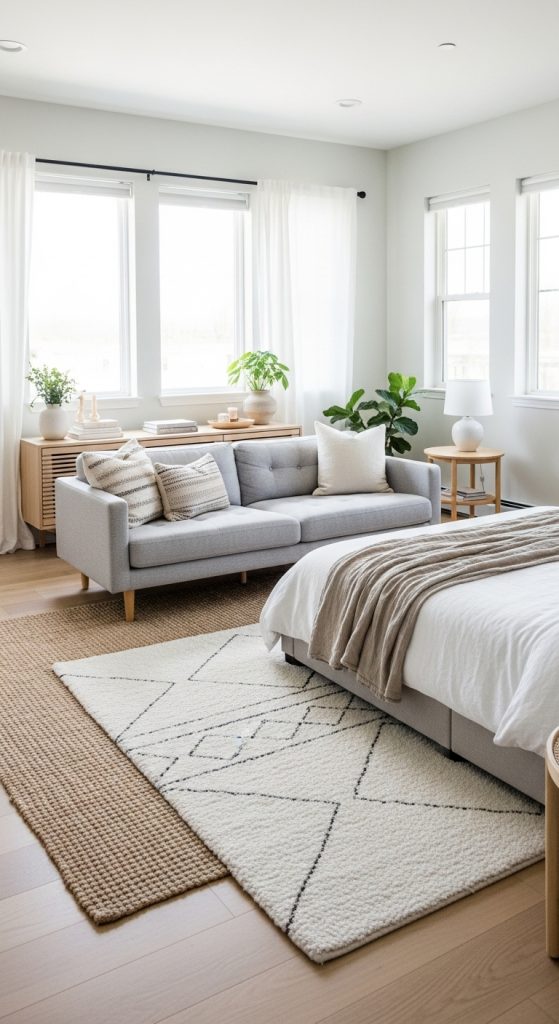
The open flow layout embraces the studio’s lack of walls and keeps everything airy and spacious. Instead of adding dividers or partitions, the furniture itself defines the zones.
For example, a sofa facing away from the bed creates a natural separation between the living and sleeping areas. A rug under the bed and another under the seating area subtly distinguish spaces without blocking light or flow.
This layout works best for small studios with good natural light, as the open arrangement keeps the apartment from feeling cramped. Keeping furniture low-profile and neutral enhances the sense of openness.
2. The Sleeping Nook Layout
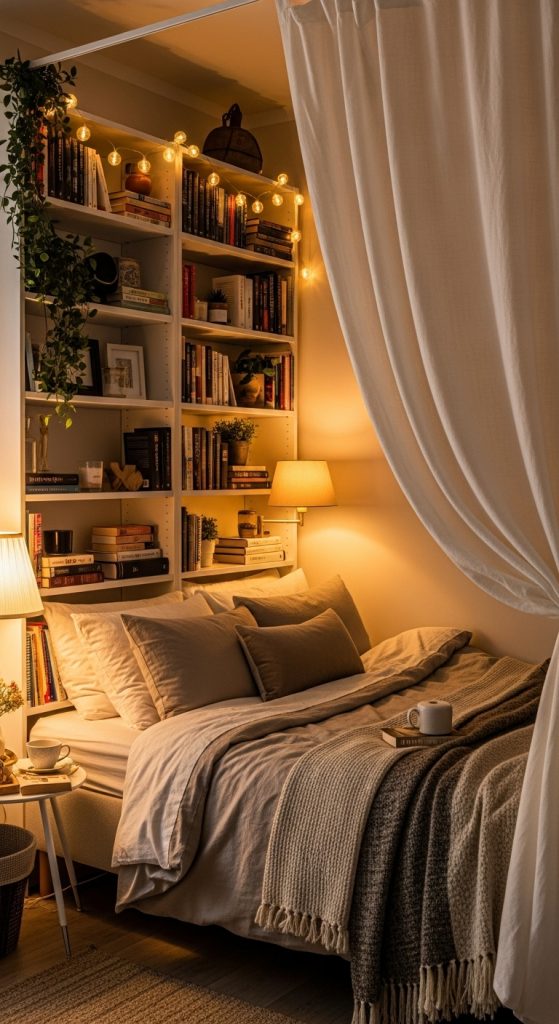
In studios, privacy can be a luxury. The sleeping nook layout addresses this by creating a cozy, tucked-away area for the bed.
You can achieve this by placing the bed against a corner or near a window, then framing it with a bookshelf, curtain, or folding screen. This creates the feeling of a mini-bedroom within the studio.
The rest of the space can be used for living and dining, with furniture arranged around the central area. This layout is especially appealing for people who want their bed somewhat hidden from view when entertaining guests.
3. The Loft Bed Layout
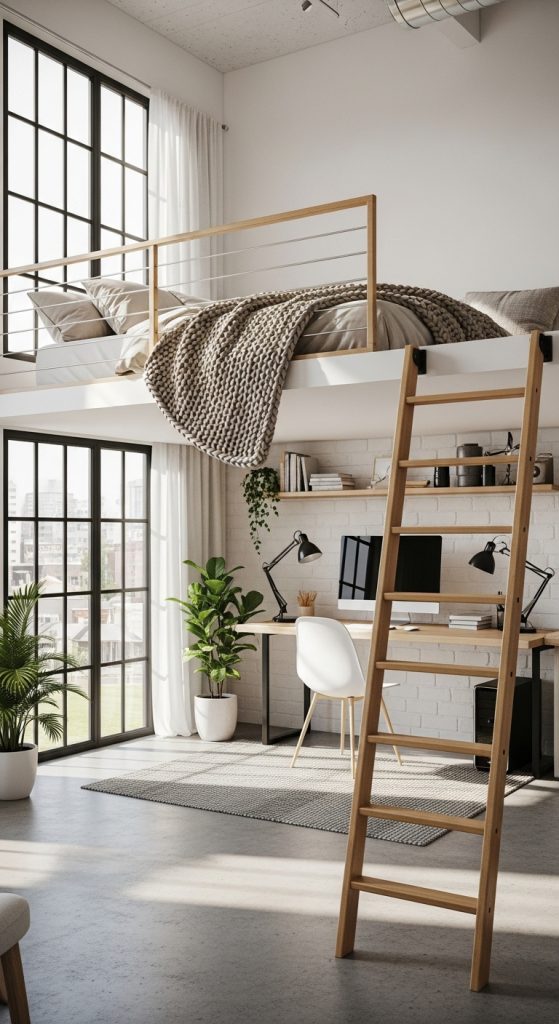
For high-ceilinged studios, the loft bed layout maximizes vertical space. By lifting the bed onto a platform or loft, you free up valuable square footage beneath for a workspace, reading nook, or even a small dining table.
A loft bed makes the studio feel larger by adding a sense of separation without sacrificing openness. It’s ideal for students, young professionals, or anyone who needs both a sleeping area and a desk.
Styling the loft with cozy textiles and warm lighting helps the elevated space feel inviting rather than purely functional.
4. The Divider Layout
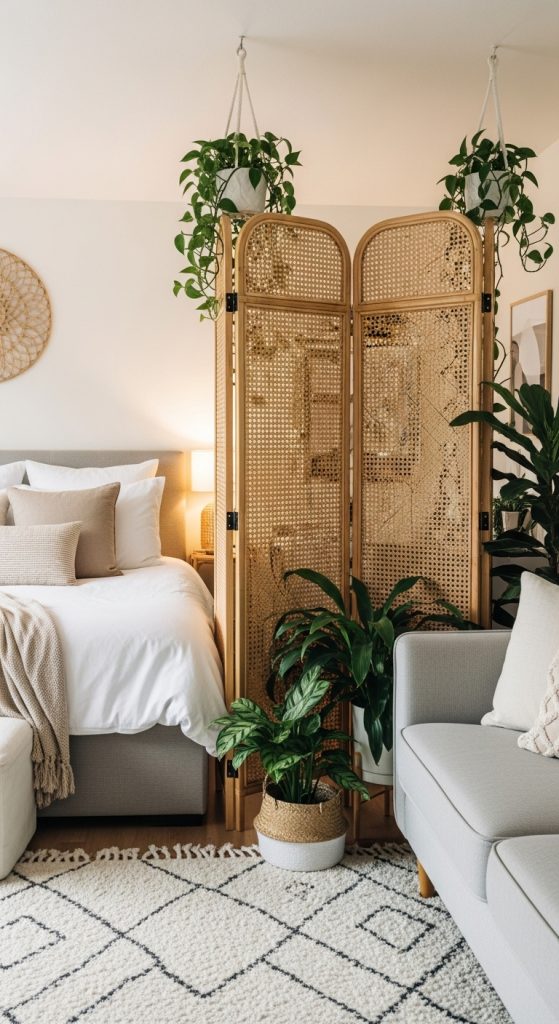
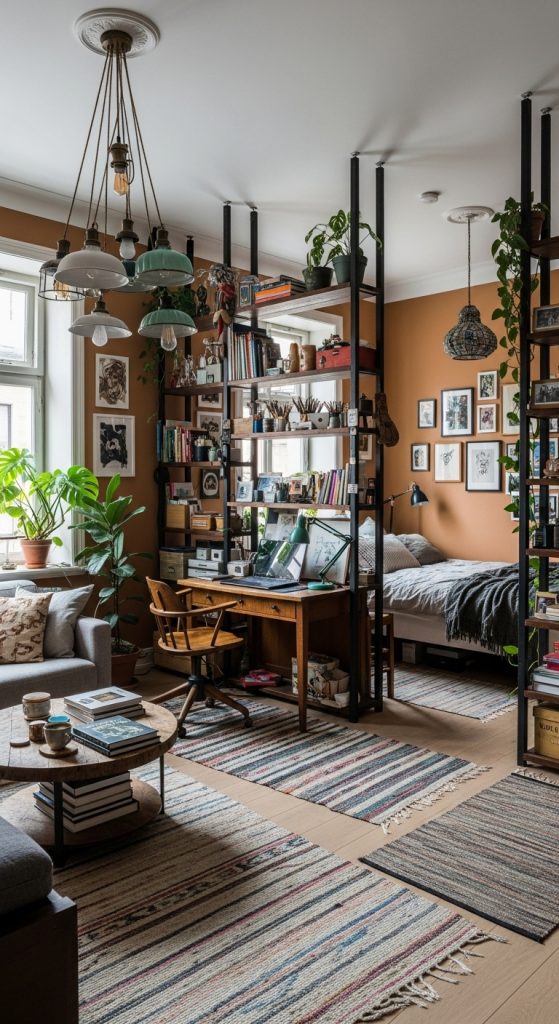
This layout introduces room dividers to give structure to the open floor plan. Dividers can range from folding screens to bookcases or curtains.
For example, a tall open bookshelf can separate the sleeping area from the living space while still allowing light to pass through. A curtain adds flexibility—you can close it for privacy or keep it open for a more spacious look.
The divider layout works well in rectangular studios, where one side of the space can serve as the bedroom and the other as the living/dining zone. It’s perfect for those who want clear boundaries between different functions.
5. The Corner Kitchen Layout
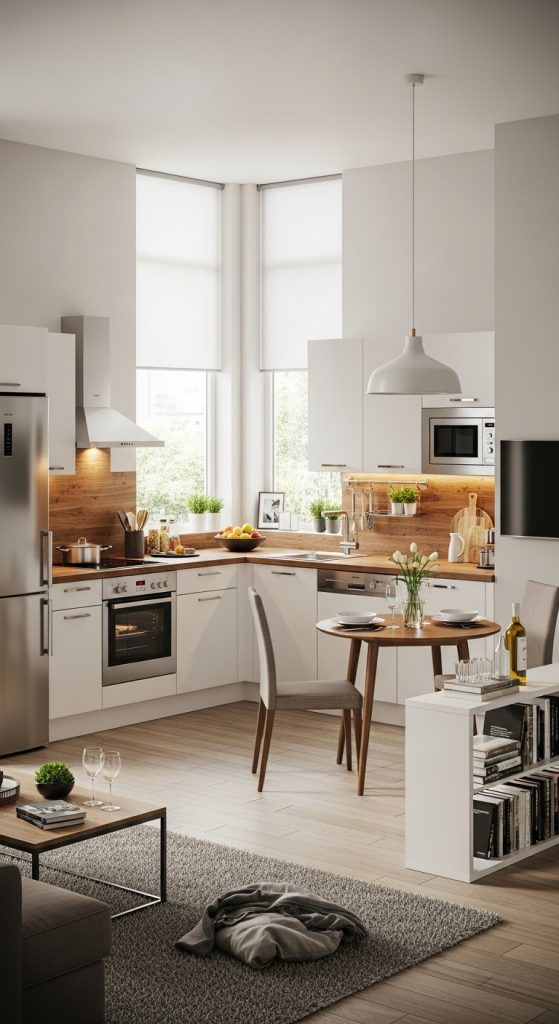
Many studios have kitchens tucked into one wall, but this layout optimizes the corner space by positioning the kitchen in an L-shape.
By doing so, the kitchen area feels more defined, leaving the remaining space for a living/dining zone. A small dining table can double as a prep surface, while overhead shelving maximizes storage.
This setup creates a more functional flow, as the kitchen feels like its own separate zone rather than blending awkwardly into the living area. It’s especially effective in studios where cooking plays a central role in daily life.
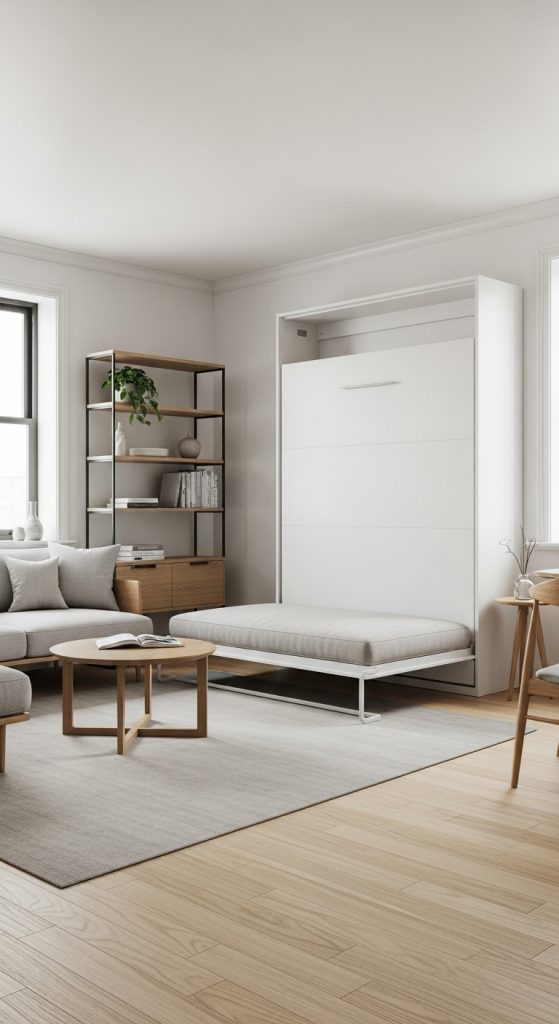
6. The Murphy Bed Layout
Murphy beds (fold-down wall beds) are a classic solution for small studios. During the day, the bed folds up into the wall, creating space for a sofa, desk, or workout area. At night, it easily transforms back into a sleeping area.
This layout is ideal for extremely small studios where floor space is at a premium. It also suits those who frequently entertain guests or want the apartment to feel more like a one-bedroom during the day.
Adding built-in shelving around the Murphy bed enhances storage and creates a seamless, polished look.
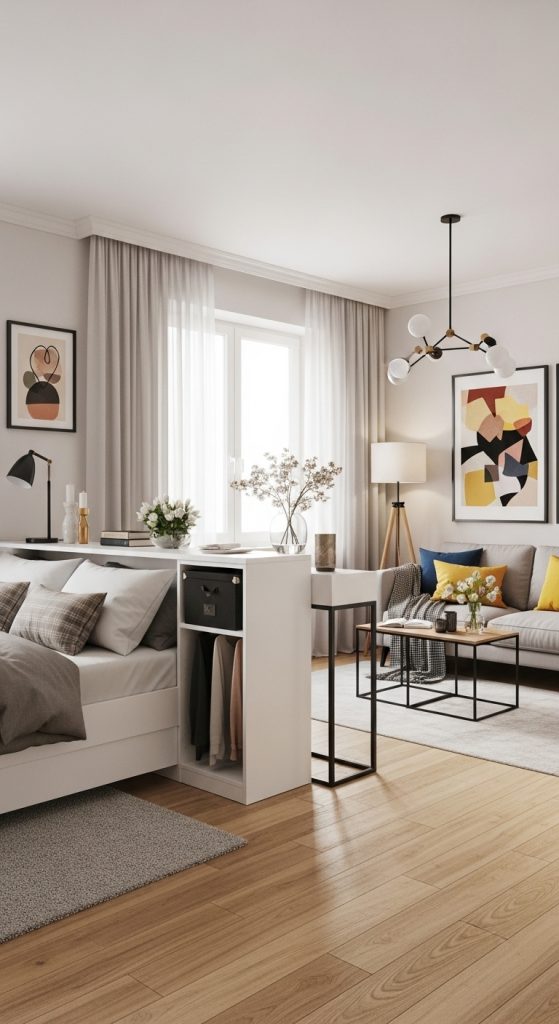
7. The Furniture-as-Divider Layout
Instead of adding separate dividers, this layout uses large furniture pieces to define zones. For example, a tall wardrobe placed at the end of the bed creates a sense of privacy while also serving as storage.
A sofa or console table can also act as a subtle partition between the bed and the living area. This approach keeps the space open yet functional, with furniture working double-duty.
This layout is especially appealing in small or narrow studios where every square foot must be efficient and purposeful.
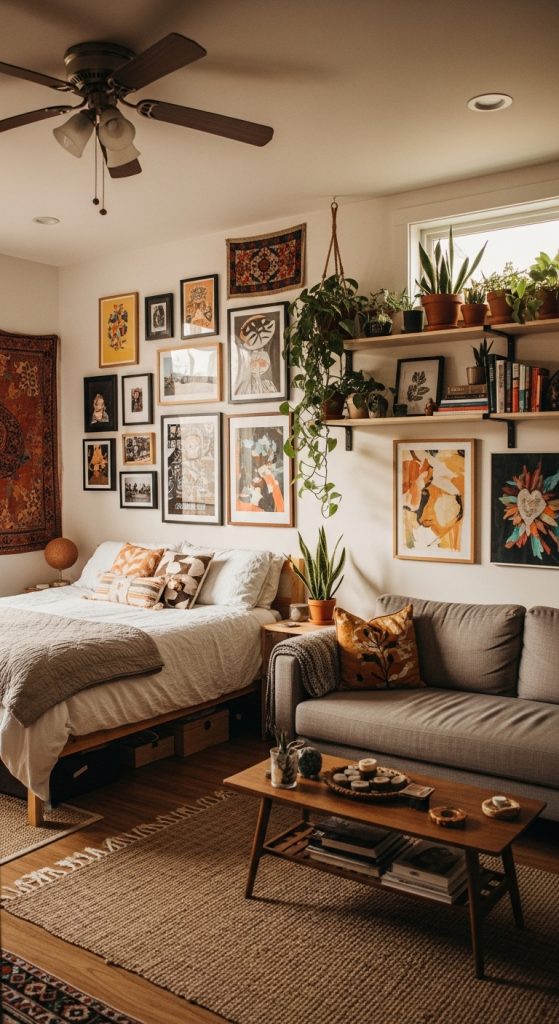
8. The Gallery Wall Layout
In this layout, the walls are used to define zones and showcase personality. Instead of leaving walls bare, you can design different gallery walls for different zones.
For example, a gallery wall above the bed can visually frame the sleeping area, while art above the sofa defines the living space. Adding floating shelves enhances storage without taking up floor space.
The gallery wall layout works best for those who love to decorate and want their studio to reflect their personal style. It adds visual boundaries without cluttering the space with extra furniture.
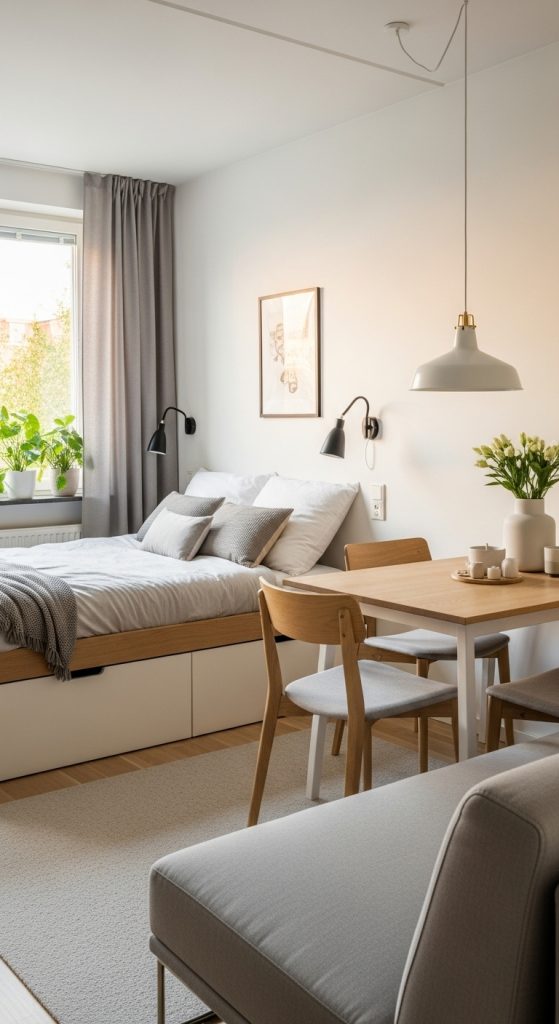
9. The Minimalist Layout
For those who prefer simplicity, the minimalist layout keeps furnishings sparse and strategic. Every item serves a purpose, and the focus is on maximizing negative space.
A low platform bed, a small sofa, and a sleek dining table may be all you need. Neutral colors, hidden storage, and streamlined designs keep the space uncluttered and airy.
This layout is especially effective in very small studios, where too many furnishings could overwhelm the space. It also suits minimalists who prefer a calm, serene environment.
10. The Creative Zoning Layout
The creative zoning layout embraces flexibility by mixing multiple techniques. Rugs, lighting, plants, and furniture placement all help define different areas without walls.
For example, pendant lighting can distinguish the dining area, while a patterned rug marks the living space. Tall plants can act as natural dividers, and open shelving doubles as both storage and separation.
This approach allows for experimentation—perfect for those who enjoy changing their layout frequently or expressing creativity in their home design.
Conclusion
Designing a studio apartment is all about balance: making the most of limited space while ensuring comfort and style. From open-flow layouts that emphasize airiness to multifunctional Murphy beds and loft setups, there are endless ways to tailor a studio to your lifestyle.
The 10 studio apartment layout ideas outlined here prove that size doesn’t limit creativity. By using dividers, multifunctional furniture, zoning strategies, and smart design choices, you can create a home that feels spacious, inviting, and uniquely yours.
At the heart of every successful studio layout is intention—every piece and every zone serves a purpose. With thoughtful planning, even the smallest studio can feel like a complete home, full of warmth, personality, and functionality.