As remote work, freelancing, and hybrid schedules become increasingly common, the need for a functional home office has extended beyond dedicated rooms. For many people, especially those living in apartments or smaller homes, the bedroom has become the most practical place to create a workspace. While combining a bedroom and a home office can seem challenging, thoughtful design can transform even the smallest corner into a productive and visually harmonious work zone.
A tiny home office in the bedroom must strike a delicate balance. The bedroom is meant for rest, relaxation, and personal comfort, while a workspace demands focus, organization, and mental clarity. Poorly planned layouts can blur these boundaries, leading to clutter, distraction, and disrupted sleep. However, when designed intentionally, a bedroom office can feel discreet, efficient, and seamlessly integrated into the space.
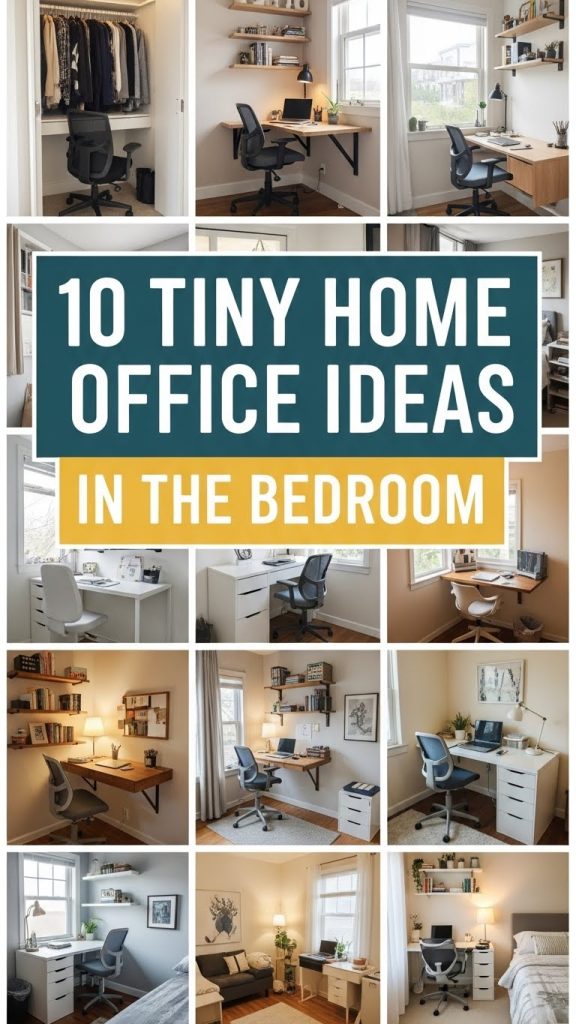
The key lies in smart furniture choices, vertical storage, subtle zoning, and a calming aesthetic that supports both work and rest. Tiny home offices do not need to dominate the bedroom. In fact, the most successful designs are often the most understated—spaces that can be “closed” visually or mentally at the end of the workday.