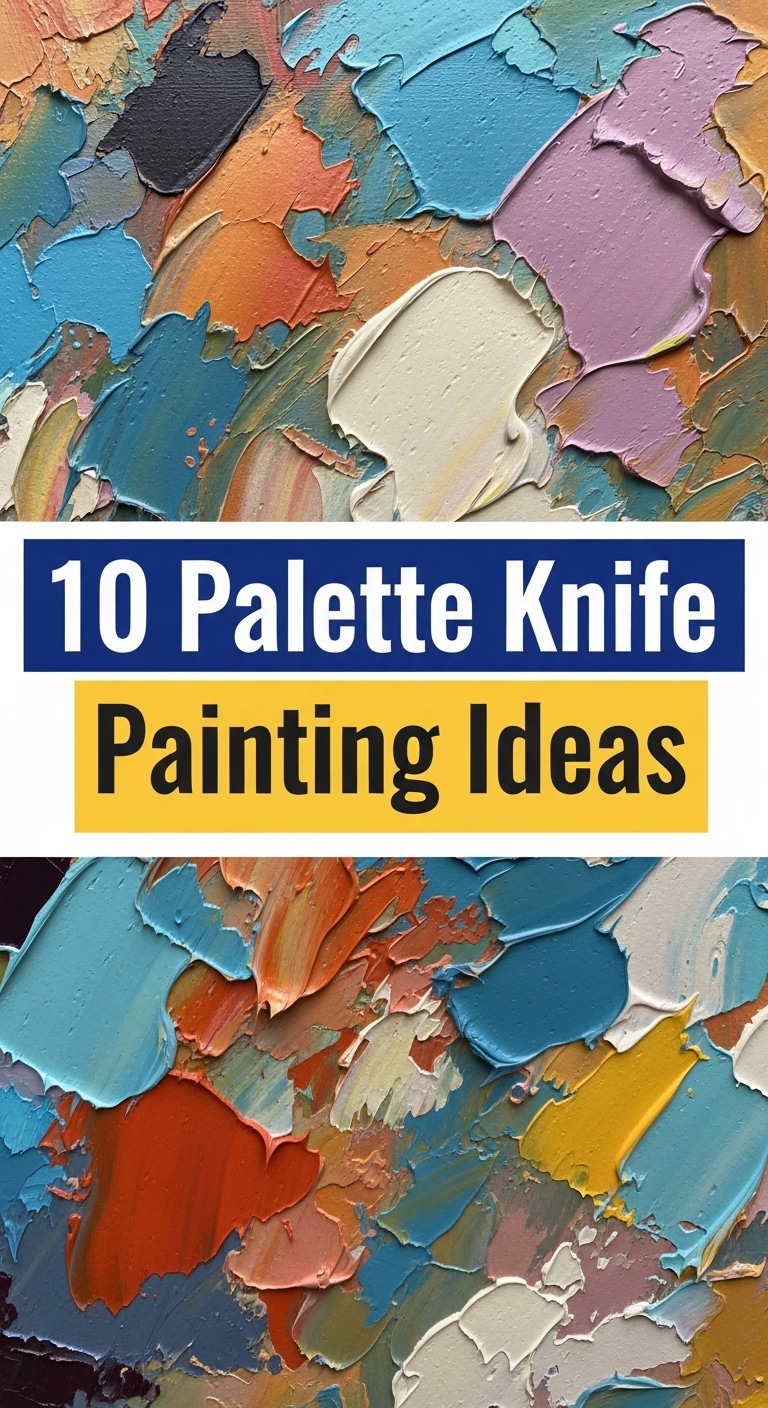
10 Palette Knife Painting Ideas
Palette knife painting is a bold and expressive form of art that allows artists to create texture, depth, and dramatic effects. Unlike traditional brushwork, palette knives offer a unique tactile experience, enabling the painter to apply thick layers of paint, scrape, and sculpt surfaces in a way that brushes cannot. This technique is popular in both oil and acrylic painting, and it can be used to create abstract, impressionistic, or realistic artwork.
The beauty of palette knife painting lies in its versatility and freedom. With a palette knife, you can experiment with bold strokes, subtle smudges, and textured layering, producing visually captivating pieces. The technique encourages creativity, as each stroke can produce unpredictable results, making every painting unique.
In this article, we will explore 10 palette knife painting ideas that range from landscapes and florals to abstract compositions. We’ll discuss techniques, color palettes, tools, and tips for achieving stunning results. Whether you’re a beginner or an experienced painter, these ideas will inspire your next artistic creation.

1. Vibrant Floral Landscapes
Floral landscapes are ideal for showcasing the textural capabilities of a palette knife.
Technique:
- Use thick layers of paint to sculpt petals, leaves, and stems.
- Apply the knife at varying angles for depth and dimension.
- Blend colors directly on the canvas for dynamic shading.
Tips:
- Choose a bright, contrasting color palette like reds, yellows, and greens.
- Use smaller knives for fine floral details and larger ones for background areas.
- Highlight the centers of flowers with bold strokes to make them pop.
Why It Works:
- Thick textures give a three-dimensional quality to the flowers.
- The palette knife creates natural-looking petal edges and movement.

2. Dramatic Mountain Scapes
Mountains lend themselves perfectly to palette knife techniques, allowing for rocky textures and layered effects.
Technique:
- Start with a base color for the sky and background.
- Use the knife edge to carve rocky ridges and mountain peaks.
- Layer darker shades first, then add lighter highlights for depth.
Tips:
- Mix colors on the knife for natural stone textures.
- Experiment with scraping to create realistic crevices and cracks.
- Keep strokes bold and confident to convey the grandeur of the mountains.
Why It Works:
- The palette knife emphasizes the ruggedness of natural landscapes.
- Thick paint application enhances the sense of scale and dimension.

3. Ocean Waves and Water Scenes
Capturing the movement and energy of water is perfect for palette knife artistry.
Technique:
- Use sweeping horizontal strokes to represent waves.
- Blend blues, turquoises, and whites directly on the canvas.
- Add highlights with small knife tips for foamy crests.
Tips:
- Apply impasto for waves to create a sense of motion.
- Layer colors for depth, starting with darker shades and finishing with lighter accents.
- Experiment with diagonal strokes for splashes and reflections.
Why It Works:
- Textured strokes mimic the natural fluidity of water.
- The impasto effect adds realism and dramatic visual impact.

4. Abstract Expressionism
Palette knives are ideal for abstract painting, giving artists freedom to experiment with color and texture.
Technique:
- Apply thick, bold strokes of contrasting colors.
- Layer paint, scrape off sections, and mix directly on the canvas.
- Create patterns, swirls, or geometric shapes using knife edges and corners.
Tips:
- Use a variety of knives for diverse textures and strokes.
- Don’t overthink composition—allow the painting to evolve naturally.
- Incorporate metallic paints for additional visual interest.
Why It Works:
- Palette knives allow for bold experimentation and spontaneity.
- Each stroke can create a dynamic and unique piece every time.

5. Cityscapes and Urban Scenes
Urban landscapes with buildings, streets, and skylines benefit from palette knife textures for geometric and structural emphasis.
Technique:
- Layer blocks of color for buildings, leaving spaces for windows or light reflections.
- Use the knife’s edge for straight lines or sharp architectural details.
- Mix muted colors for distant buildings and brighter tones for foreground elements.
Tips:
- Combine scraping and layering to create depth and perspective.
- Apply palette knife strokes vertically or diagonally to suggest shadows.
- Add small highlights with a thin knife for windows and reflections.
Why It Works:
- The palette knife emphasizes structure and dimensionality in urban scenes.
- Thick textures convey the solidity and mass of buildings effectively.

6. Textured Still Life
Still life compositions with fruit, flowers, or objects become more tactile and visually engaging using a palette knife.
Technique:
- Apply thick layers for the main objects to create a 3D effect.
- Use different knife angles to suggest shadows and contours.
- Build up highlights gradually for a realistic impression.
Tips:
- Select a cohesive color palette to unify the composition.
- Incorporate background textures to add interest without distracting from the main subject.
- Experiment with scraping to reveal underlayers and create contrast.
Why It Works:
- Palette knives give everyday objects a dynamic, almost sculptural appearance.
- Thick paint applications create depth and visual richness.

7. Winter Landscapes
Winter scenes with snow, icy rivers, and frosty skies are perfect for palette knife techniques.
Technique:
- Use white and light blue for snow, applied thickly with a knife.
- Create texture for trees, mountains, or snowdrifts by layering paint.
- Add shadows with soft gray or muted blues.
Tips:
- Experiment with scraping to mimic icy textures.
- Use palette knives to add raised snow on branches or rooftops.
- Balance cold and warm tones for a visually engaging composition.
Why It Works:
- Textured strokes replicate the softness and shimmer of snow.
- Palette knife techniques enhance the realism and tactile quality of winter landscapes.

8. Sunset and Sunrise Scenes
Sunsets and sunrises are dramatic and expressive subjects for palette knife painting.
Technique:
- Layer gradients of reds, oranges, yellows, and purples.
- Blend colors with the flat side of the knife for smooth transitions.
- Use scraping to add cloud textures or sun rays.
Tips:
- Start with a base of bold colors and gradually build layers.
- Experiment with diagonal or curved strokes to suggest movement in the sky.
- Add reflective light on water or landscape features for realism.
Why It Works:
- Palette knives give sunsets and sunrises a dynamic, layered, and luminous appearance.
- Thick textures enhance the visual impact of dramatic skies.

9. Textured Animal Portraits
Animal portraits gain depth and personality when created with a palette knife.
Technique:
- Use short, bold strokes to simulate fur, feathers, or scales.
- Layer colors for highlights and shadows on the animal’s body.
- Focus on expressive eyes and key features with smaller knife tips.
Tips:
- Study textures of real animals to replicate them with paint strokes.
- Use contrasting colors to make the subject stand out.
- Apply a thicker layer for foreground animals and thinner strokes for background elements.
Why It Works:
- Palette knives bring a tactile quality to fur, feathers, and textures.
- Creates visually striking and dynamic wildlife portraits.

10. Impasto Abstract Landscapes
Impasto landscapes combine bold colors and thick textures to create visually dramatic compositions.
Technique:
- Apply thick layers of paint in sweeping motions to create hills, rivers, or fields.
- Mix colors directly on the canvas for natural blending.
- Use scraping and dabbing to create movement and texture.
Tips:
- Experiment with palette knife edges and corners for diverse strokes.
- Layer paint gradually to avoid muddying colors.
- Use metallic or iridescent accents to add depth and interest.
Why It Works:
- Impasto textures add energy and visual intrigue.
- Palette knife strokes create movement, dimension, and artistic expression.

Final Thoughts
Palette knife painting is more than a technique—it’s an artistic experience. It encourages experimentation, boldness, and creativity while producing artwork with texture, depth, and a unique character.
When exploring palette knife painting:
- Select quality acrylic or oil paints for better texture and layering
- Use a variety of knife shapes and sizes for diverse strokes
- Embrace mistakes—they often add unexpected beauty to the piece
By experimenting with the 10 palette knife painting ideas above, artists of all levels can create visually stunning, textured, and expressive paintings. Whether you’re drawn to landscapes, abstract art, or animal portraits, the palette knife offers endless possibilities for exploration and artistic growth.