10 Tiny Bedroom Design Ideas
Designing a tiny bedroom can feel challenging at first. Limited square footage, minimal storage, and tight layouts often make small bedrooms seem restrictive or uncomfortable. However, with thoughtful planning and smart design choices, a tiny bedroom can become one of the most functional, cozy, and beautiful spaces in a home. In many ways, small bedrooms demand more creativity than large ones—and when done well, the results are deeply rewarding.
A tiny bedroom is not just a smaller version of a large bedroom. It requires a different mindset. Every piece of furniture must earn its place, every design decision should serve multiple purposes, and visual balance becomes essential. The goal is not to squeeze everything in, but to create a space that feels open, calm, and intentional despite its size.
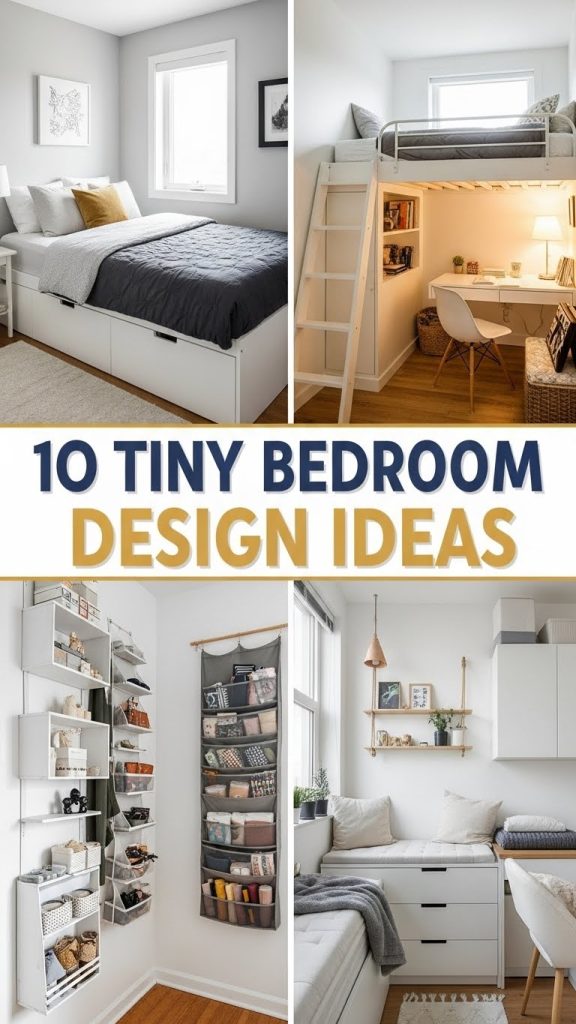
Tiny bedrooms are common in apartments, studio homes, urban housing, guest rooms, and children’s rooms. They can also appear in older homes where room sizes were traditionally smaller. Regardless of the reason, good design can transform even the most compact bedroom into a comfortable retreat that supports rest, organization, and personal style.
This guide explores 10 tiny bedroom design ideas, each focusing on a key principle that maximizes space, improves functionality, and enhances visual appeal. These ideas are adaptable to different tastes and budgets, proving that a small bedroom does not have to feel cramped or boring—it can feel smart, cozy, and beautifully designed.
1. Smart Furniture Selection for Small Bedrooms
Furniture choice is the foundation of any tiny bedroom design. Oversized or unnecessary furniture can quickly overwhelm a small space, making it feel cluttered and uncomfortable.
In a tiny bedroom, furniture should be scaled appropriately. Low-profile beds, slim nightstands, and compact dressers help maintain visual openness. Choosing furniture with clean lines and minimal detailing reduces visual noise, allowing the room to feel calmer and more spacious.
Multifunctional furniture is especially valuable. A bed with built-in storage drawers, a nightstand with shelving, or a bench that doubles as storage all help reduce the number of pieces needed. Foldable or wall-mounted furniture can also be useful in extremely small rooms.
Carefully selecting fewer, smarter furniture pieces ensures the bedroom remains functional without sacrificing comfort or style.
2. Light and Neutral Color Palettes
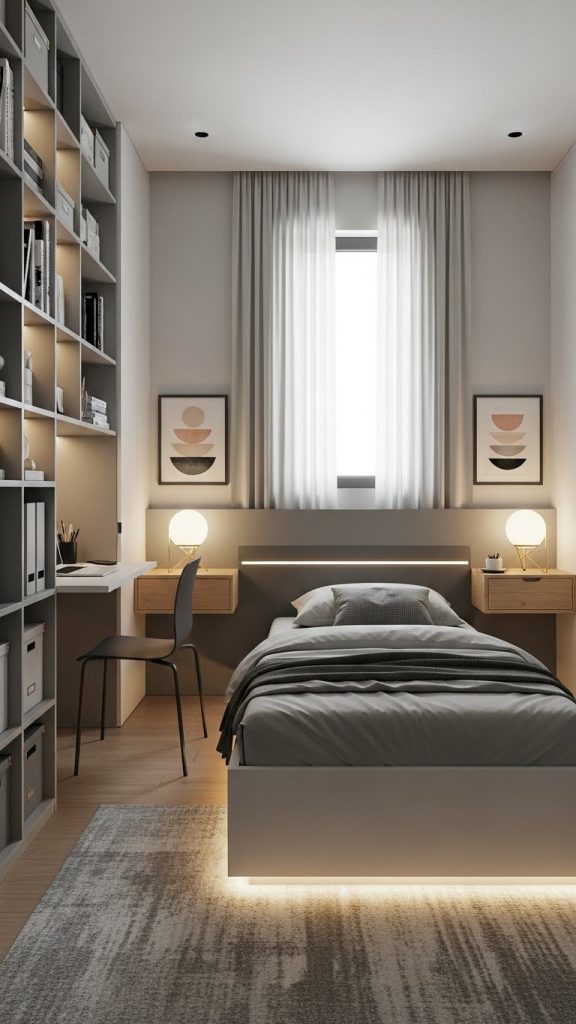
Color has a powerful effect on how large or small a room feels. In tiny bedrooms, lighter color palettes help reflect light and create the illusion of more space.
Soft whites, creams, pale grays, warm beiges, and light pastels are popular choices for small bedrooms. These colors make walls visually recede, giving the room an airy and open feel. Using the same or similar tones on walls, ceilings, and large furniture pieces enhances continuity and reduces visual breaks.
This doesn’t mean tiny bedrooms must be boring or colorless. Subtle accents—such as muted blues, sage green, or blush—can add personality without overwhelming the space. Dark colors can be used sparingly as accents, but large dark surfaces may make the room feel smaller if not balanced with light.
A well-chosen light palette creates a calm backdrop that allows the room to breathe.
3. Vertical Space Utilization
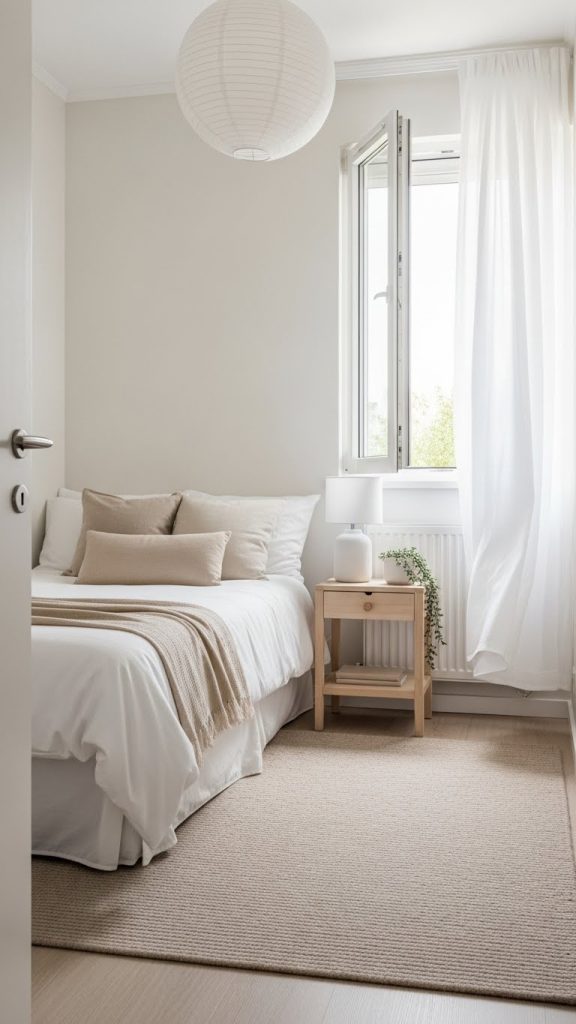
One of the most effective strategies for tiny bedroom design is making full use of vertical space. When floor space is limited, walls become incredibly valuable.
Wall-mounted shelves, tall wardrobes, and vertical storage units draw the eye upward, making the room feel taller. Installing shelves above the bed, desk, or door provides additional storage without consuming floor space.
Tall headboards or floor-to-ceiling curtains also enhance the perception of height. Hanging curtains closer to the ceiling—even if the window is lower—creates a more spacious visual effect.
Using vertical space thoughtfully allows a tiny bedroom to remain organized and functional while maintaining an open feel.
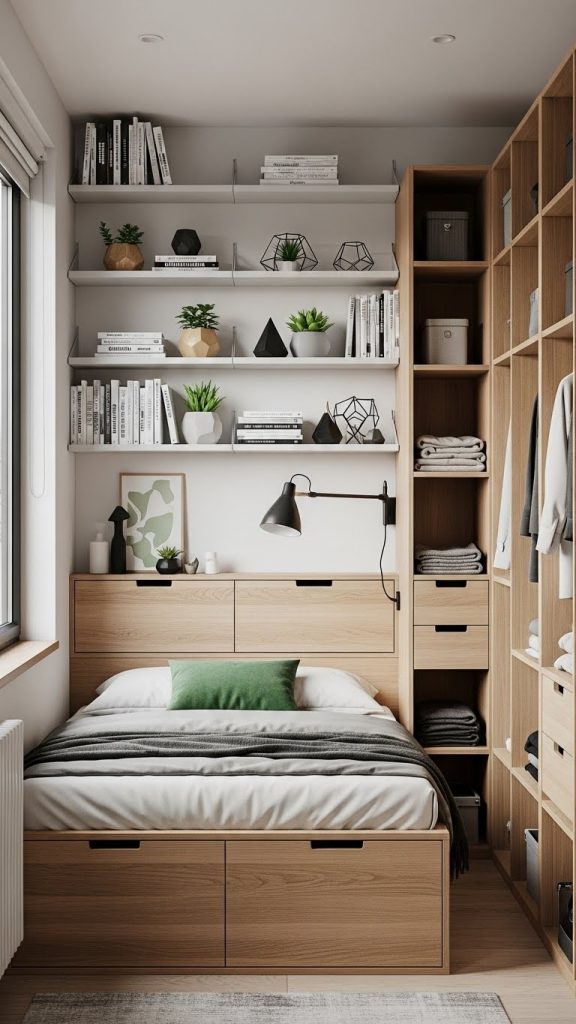
4. Minimalist Layout and Decluttered Design
Clutter is the enemy of small spaces. A tiny bedroom benefits greatly from a minimalist approach that prioritizes essentials and eliminates excess.
A clean layout with clear pathways helps the room feel larger and more comfortable. Avoid placing too many items on surfaces or walls. Instead, choose a few meaningful décor pieces and let them stand out.
Hidden storage solutions, such as under-bed drawers or closed cabinets, help keep belongings out of sight. Open storage should be limited and styled carefully to avoid visual chaos.
Minimalism in a tiny bedroom is not about emptiness—it’s about intentionality. Every item should have a purpose, contributing to both function and aesthetics.
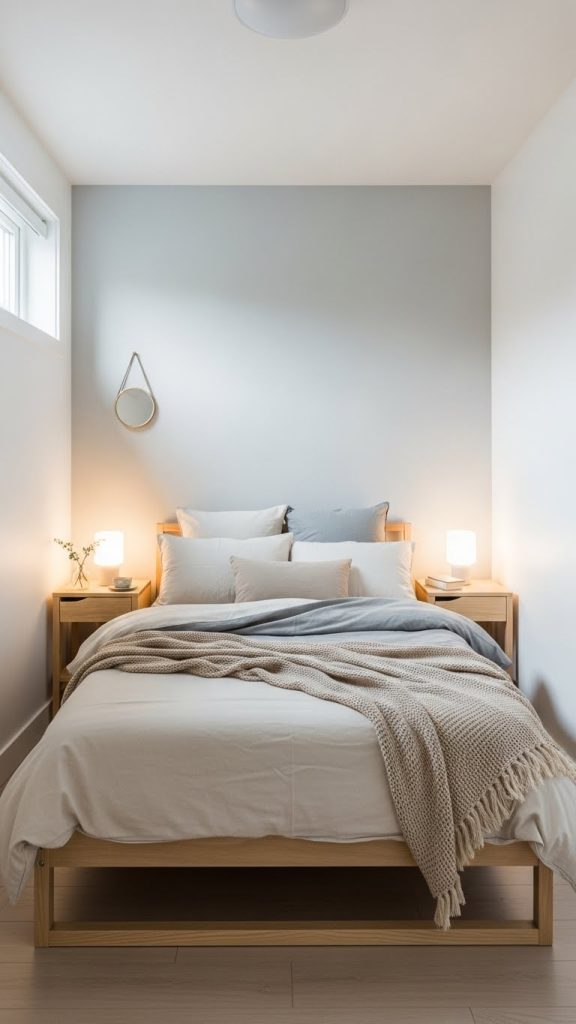
5. Multi-Functional Bed Designs
The bed is usually the largest item in a bedroom, making its design especially important in small spaces.
Storage beds are one of the most practical choices for tiny bedrooms. Drawers, lift-up bases, or built-in compartments provide valuable storage for clothing, bedding, or seasonal items.
Murphy beds or wall beds are ideal for extremely small rooms or studio apartments. These beds fold away when not in use, freeing up space during the day. Daybeds or sofa beds also work well in guest rooms or multipurpose spaces.
Choosing a bed that serves more than one function helps maximize usability without compromising comfort.
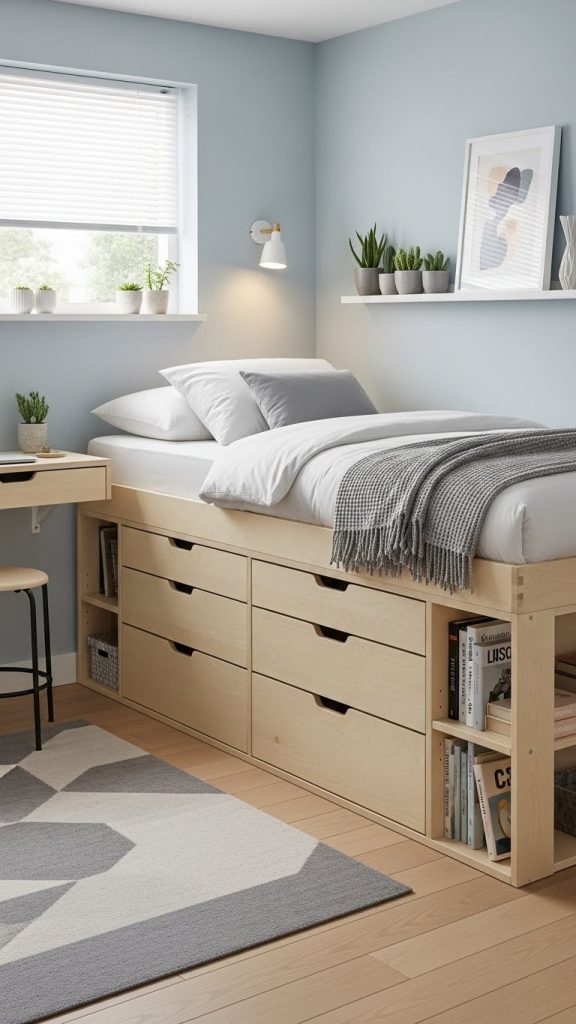
6. Thoughtful Lighting Design
Lighting can dramatically change how a tiny bedroom feels. Poor lighting can make a small space feel cramped and gloomy, while well-planned lighting enhances openness and comfort.
Layered lighting is key. Instead of relying solely on a central ceiling light, incorporate bedside lamps, wall sconces, or LED strip lighting. Wall-mounted lights save valuable surface space on nightstands.
Warm light tones create a cozy atmosphere, while brighter task lighting supports reading or dressing. Mirrors placed near light sources help reflect light and brighten the room further.
Good lighting design makes a tiny bedroom feel inviting and well-balanced at all times of day.
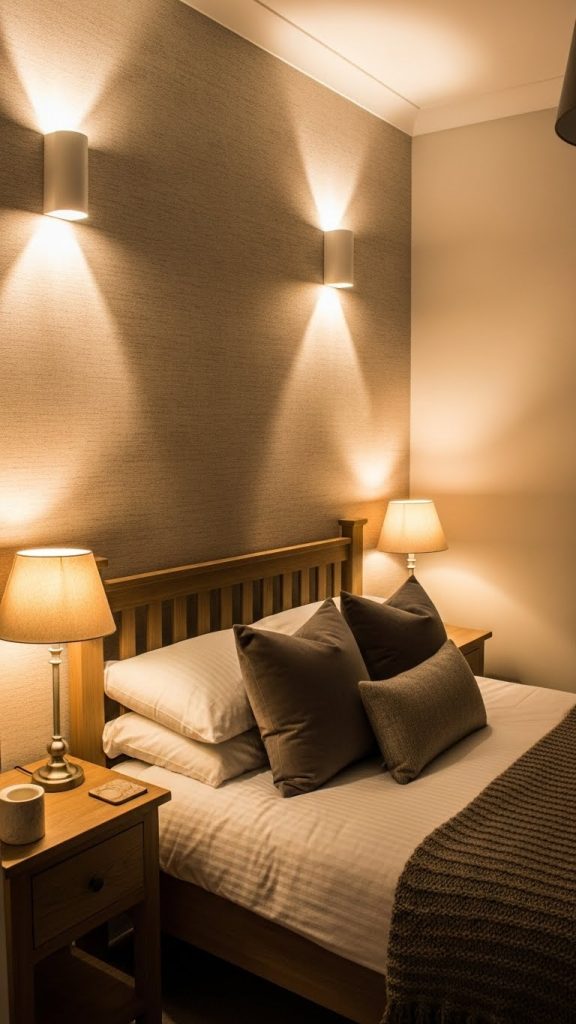
7. Built-In Storage and Custom Solutions
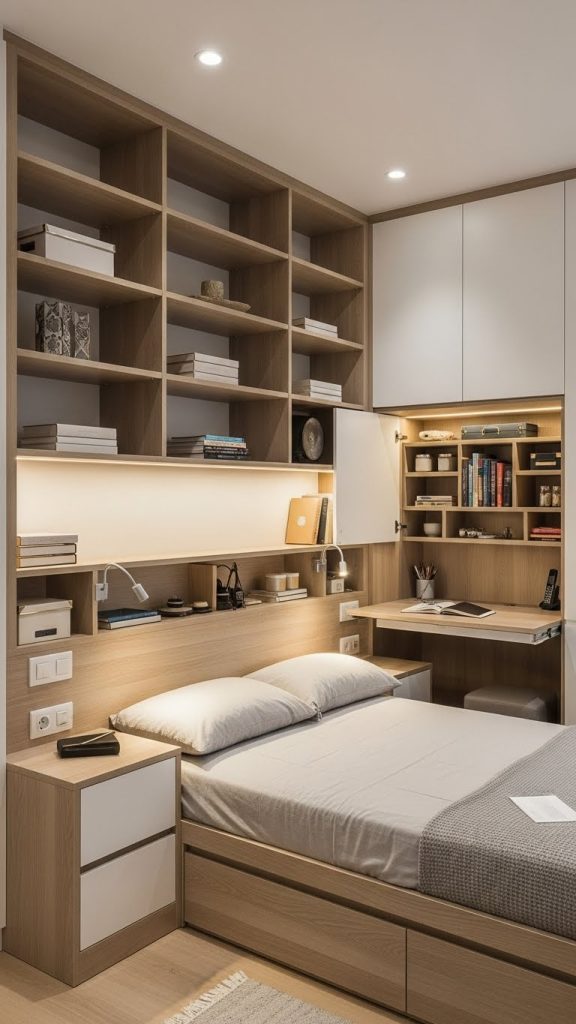
Built-in storage is a powerful solution for tiny bedrooms. Custom designs allow you to make use of awkward corners, sloped ceilings, or narrow walls that standard furniture may not fit.
Built-in wardrobes, shelves, or headboards with storage reduce the need for separate furniture pieces. Floor-to-ceiling cabinetry maximizes storage while keeping the footprint minimal.
Custom storage solutions may require a higher upfront investment, but they deliver long-term benefits in functionality and organization. They also create a clean, cohesive look that enhances the room’s overall design.
Built-ins help tiny bedrooms feel tailored and intentional rather than improvised.
8. Mirrors and Reflective Elements
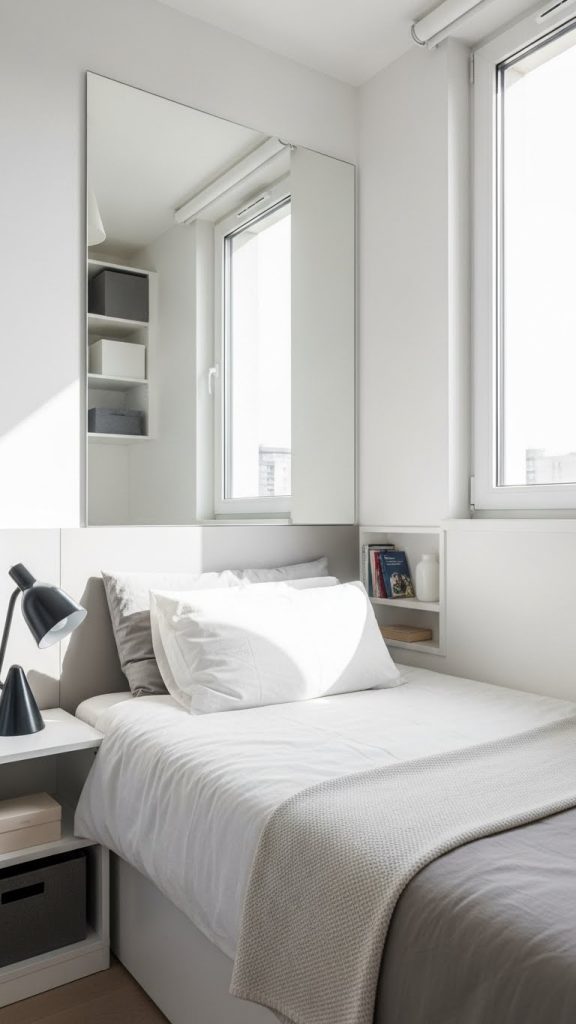
Mirrors are a classic trick for making small spaces feel larger, and they work especially well in tiny bedrooms.
A large mirror on one wall or mirrored wardrobe doors reflect light and visually double the space. Mirrors placed opposite windows maximize natural light and brighten the room.
Reflective finishes—such as glossy furniture, glass surfaces, or metallic accents—can also contribute to a sense of openness when used subtly.
The key is moderation. Too many reflective surfaces can feel overwhelming. When used thoughtfully, mirrors enhance both light and spatial perception.
9. Compact Work or Dressing Zones
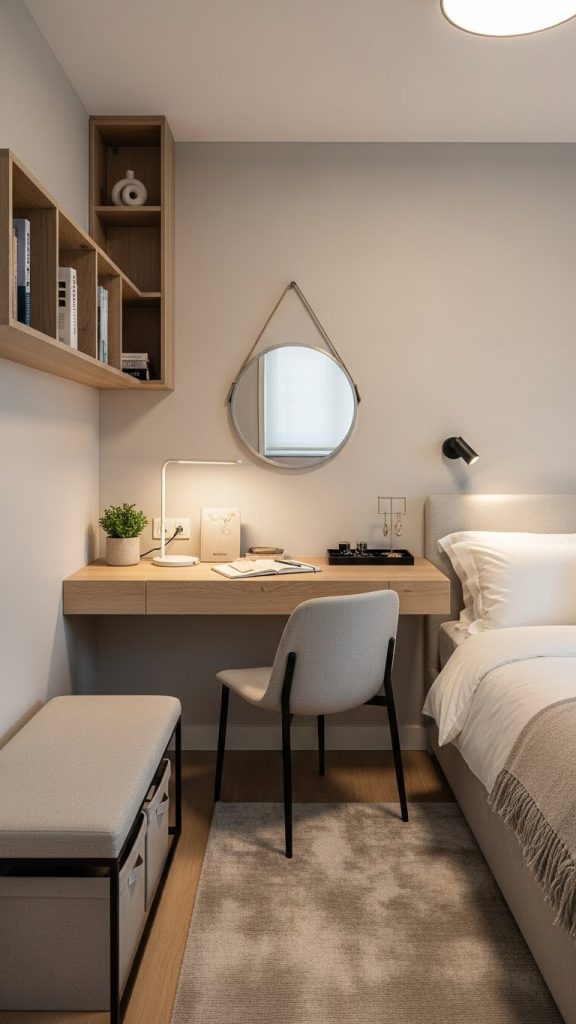
Many tiny bedrooms need to serve multiple functions, such as sleeping, working, or dressing. Designing compact zones helps the room remain organized and efficient.
A small wall-mounted desk, fold-down table, or narrow vanity can create a functional workspace without dominating the room. Floating shelves above the desk provide storage without clutter.
For dressing areas, a slim wardrobe, open hanging rail, or integrated closet system works well. Keeping these zones visually light ensures the bedroom doesn’t feel overcrowded.
Zoning helps tiny bedrooms support modern lifestyles while maintaining comfort and clarity.
10. Personal Touches Without Overcrowding
Even the smallest bedroom should reflect personality. The challenge is adding character without overwhelming the space.
Choose a few meaningful decorative elements, such as artwork, photographs, or textiles. Wall art should be appropriately scaled—one larger piece often works better than many small ones.
Textiles like cushions, throws, and rugs add warmth and texture without taking up permanent space. Plants, especially small or hanging ones, bring life and freshness into the room.
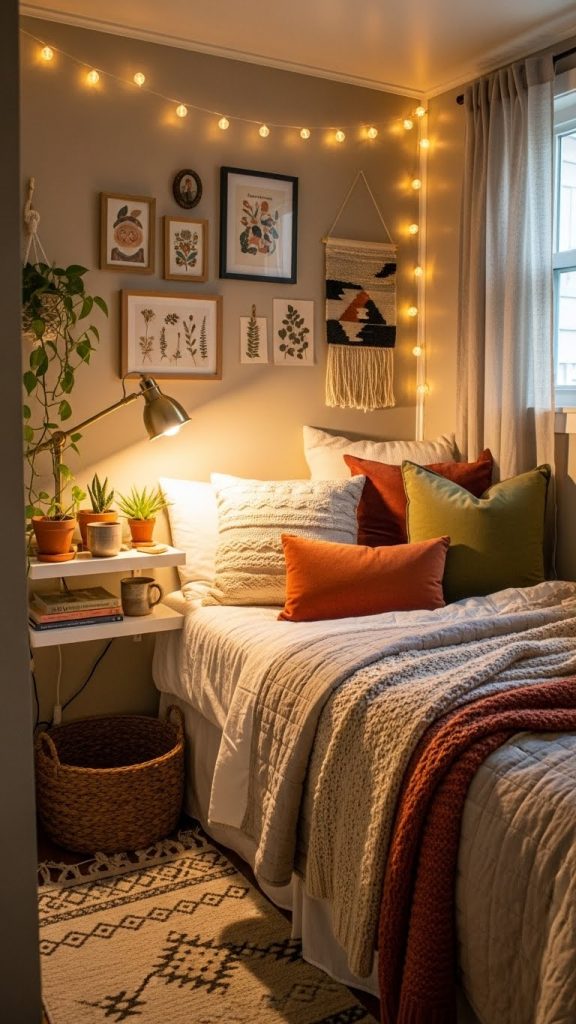
Personal touches should enhance the space, not compete with it. Thoughtful curation keeps the bedroom feeling both personal and peaceful.
Conclusion
Designing a tiny bedroom is an exercise in creativity, balance, and intention. Limited space does not have to mean limited comfort or style. With smart furniture choices, light color palettes, vertical storage, minimalist layouts, and thoughtful lighting, even the smallest bedroom can feel functional and inviting.
The 10 tiny bedroom design ideas explored in this guide demonstrate that good design is not about size—it’s about strategy. By focusing on multipurpose solutions, visual openness, and personal expression, tiny bedrooms can become cozy retreats that support rest and daily life.
In the end, a well-designed tiny bedroom proves that less space can still offer more comfort, clarity, and beauty when every design decision is made with purpose.