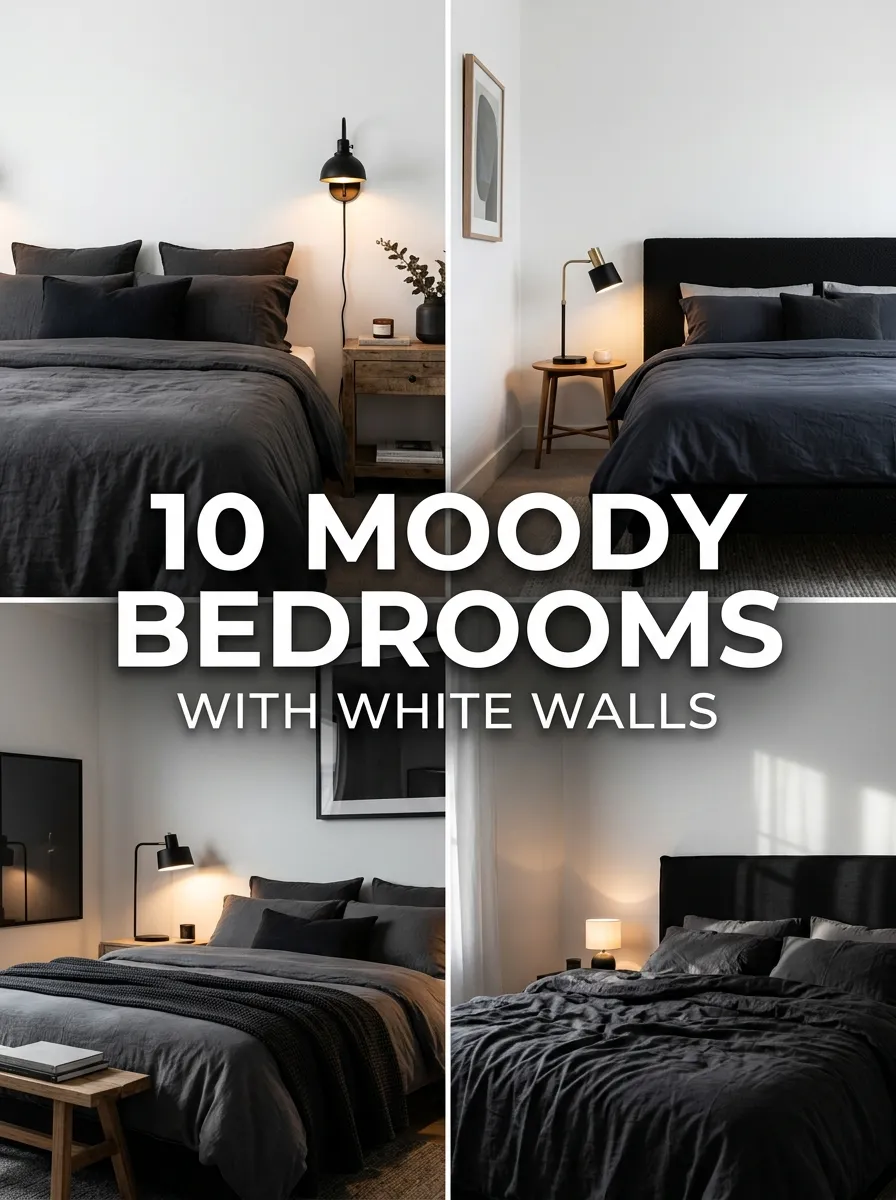
10 Moody Bedrooms with White Walls
When people think of moody bedroom design, dark walls often come to mind—charcoal greys, inky blues, deep greens, or even black. While these colors are undeniably dramatic, moody interiors do not rely solely on dark paint. In fact, white walls can serve as the perfect backdrop for a moody bedroom, offering contrast, balance, and sophistication while keeping the space from feeling heavy or confined.
White walls provide light, openness, and versatility, especially in bedrooms where rest and comfort are priorities. When paired thoughtfully with rich textures, layered lighting, deep-toned furnishings, and intentional styling, white walls can become the canvas for a deeply atmospheric and emotionally rich bedroom.
A moody bedroom is not about darkness—it is about depth, intimacy, and feeling. It evokes calm, introspection, and a sense of retreat from the outside world. Using white walls allows designers to create this mood through materials, shadows, contrast, and warmth rather than relying on color saturation alone.
This article explores 10 moody bedroom design ideas with white walls, each explained in depth with guidance on color pairing, lighting, textures, furniture choices, and overall ambiance. Whether your bedroom is large or small, modern or classic, these ideas show how white walls can feel dramatic, cozy, and luxurious rather than plain or sterile.
1. Moody Minimalism with Warm Neutrals
A minimalist bedroom with white walls can still feel moody when warm neutrals and intentional restraint are applied. Instead of stark whites and cool greys, the mood is created through warm undertones, soft shadows, and minimal yet powerful elements.
White walls act as a quiet backdrop while furniture in shades of taupe, camel, warm grey, or muted brown introduces depth. A low-profile bed, linen bedding, and a textured throw add tactile interest without clutter.
Lighting plays a critical role here. Soft, warm-toned lamps and indirect lighting replace bright overhead fixtures, creating pockets of shadow that add atmosphere. The absence of excess décor allows the mood to emerge organically.
This style suits those who appreciate calm, simplicity, and understated drama—a moody bedroom that feels serene rather than heavy.
2. Moody White Bedroom with Dark Wood Accents
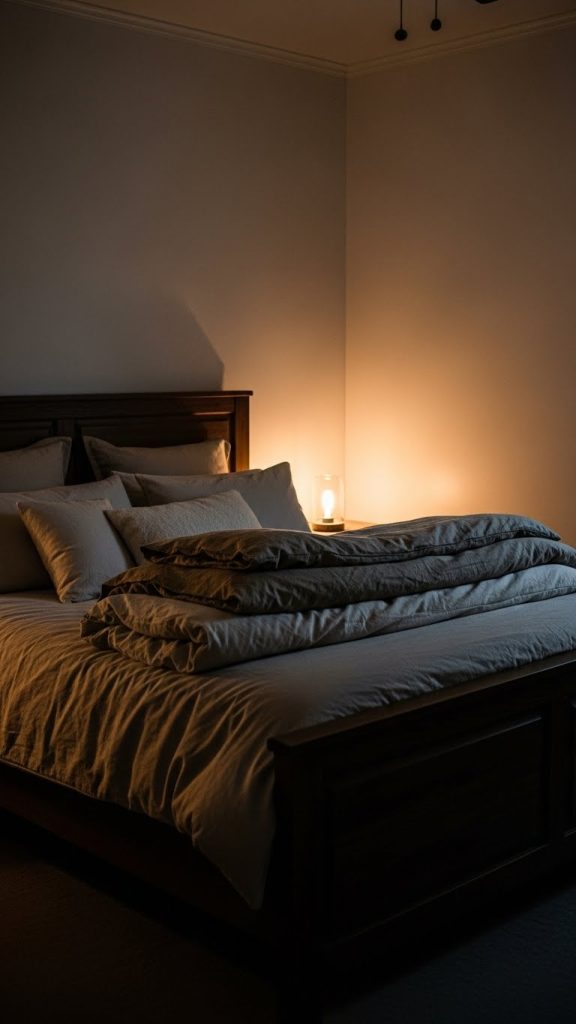
Dark wood is one of the most effective ways to create mood against white walls. The contrast between crisp white and rich wood tones adds warmth, grounding, and visual depth.
In this style, white walls are paired with walnut, espresso, or stained oak furniture. A dark wood bed frame, nightstands, or ceiling beams instantly shift the atmosphere from light to intimate.
Textiles in deep neutral shades—such as charcoal, olive, or chocolate—enhance the mood without overwhelming the space. Soft lighting highlights the natural grain of the wood, adding richness and character.
This approach works beautifully in both modern and classic bedrooms, creating a moody yet timeless environment that feels grounded and luxurious.
3. Soft Moody Bedroom with Layered Textures
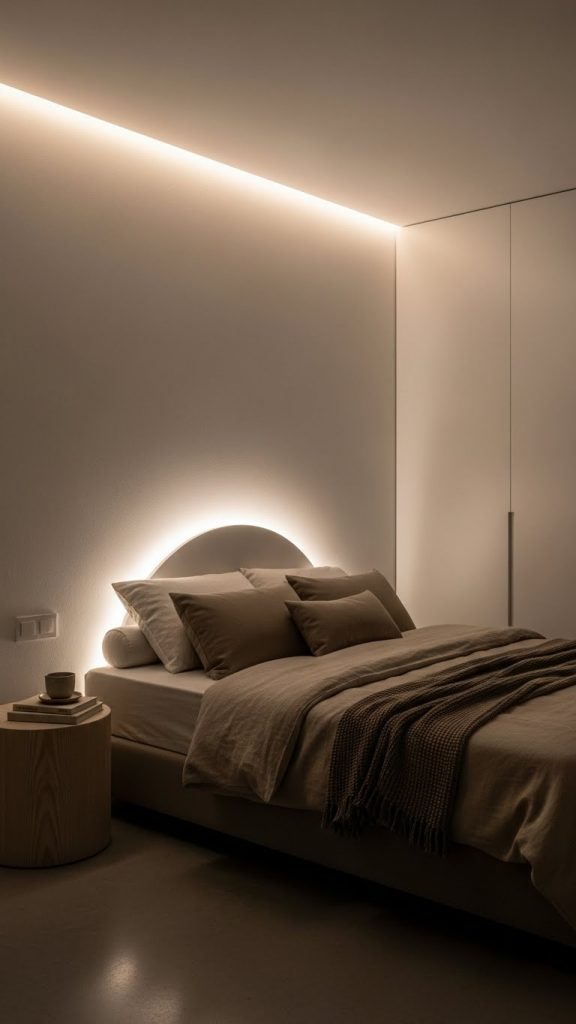
Mood does not come from color alone—it comes from texture. A white-walled bedroom can feel deeply moody when layered with rich, tactile materials.
Think linen bedding, wool throws, velvet cushions, and textured rugs layered intentionally. The white walls provide contrast, allowing these materials to stand out visually and emotionally.
Shadows created by textured surfaces add depth, especially in low lighting. Neutral tones such as stone, clay, greige, and charcoal work well here, keeping the palette calm but expressive.
This style is ideal for those who want a cozy, cocoon-like bedroom without dark paint, relying instead on touch, softness, and atmosphere.
4. Moody White Bedroom with Black Accents
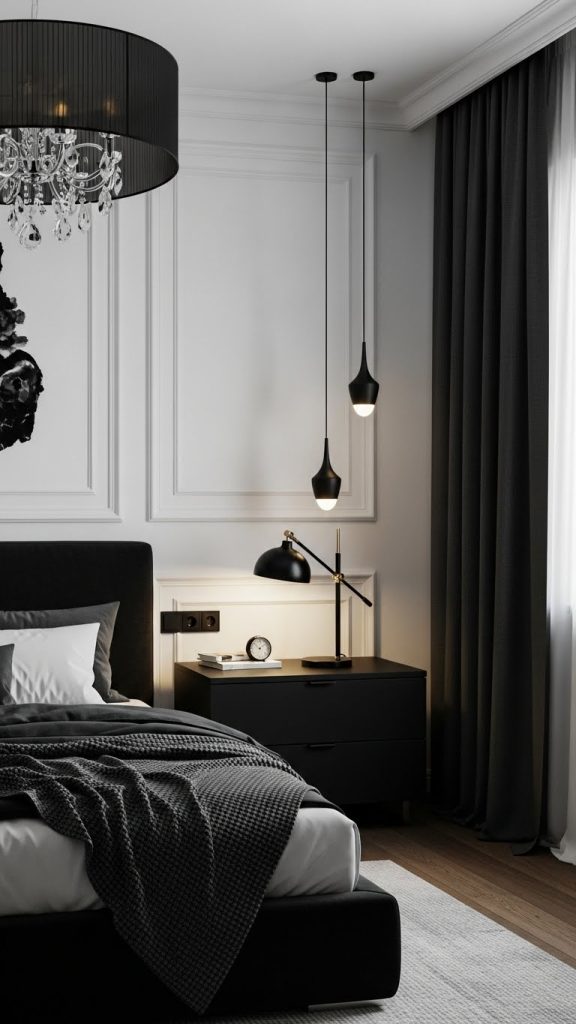
Black accents against white walls create instant drama and sophistication. This high-contrast approach is bold yet controlled, making it perfect for moody bedroom design.
Black elements can include bed frames, pendant lights, wall sconces, mirrors, or artwork. These dark accents anchor the space and create visual weight against the light walls.
To keep the bedroom from feeling harsh, warmth is added through soft bedding, warm lighting, and natural materials such as wood or linen.
The result is a modern, moody bedroom that feels intentional, graphic, and emotionally grounded.
5. Romantic Moody Bedroom with White Walls
A moody bedroom does not have to feel masculine or stark. White walls can also support a romantic and emotional mood when paired with soft forms and gentle lighting.
This style uses curved furniture, plush bedding, and flowing fabrics to soften the space. White walls remain untouched, allowing the mood to come from deep-toned textiles such as burgundy, mauve, muted rose, or smoky plum.
Lighting is diffused and warm, often through table lamps, candles, or fabric-shaded pendants. Shadows are soft rather than dramatic, creating intimacy and warmth.
This approach creates a moody bedroom that feels tender, expressive, and deeply comforting.
6. Moody White Bedroom with Statement Lighting
Lighting alone can define the mood of a bedroom—even with white walls. Statement lighting introduces drama, focus, and emotional depth.
Large pendant lights, sculptural lamps, or wall sconces with directional light create areas of brightness and shadow. The contrast between illuminated zones and darker corners adds mood without changing wall color.
Warm bulbs are essential, as they soften white walls and prevent them from feeling stark. Dimmable lighting allows the mood to shift from functional to intimate as needed.
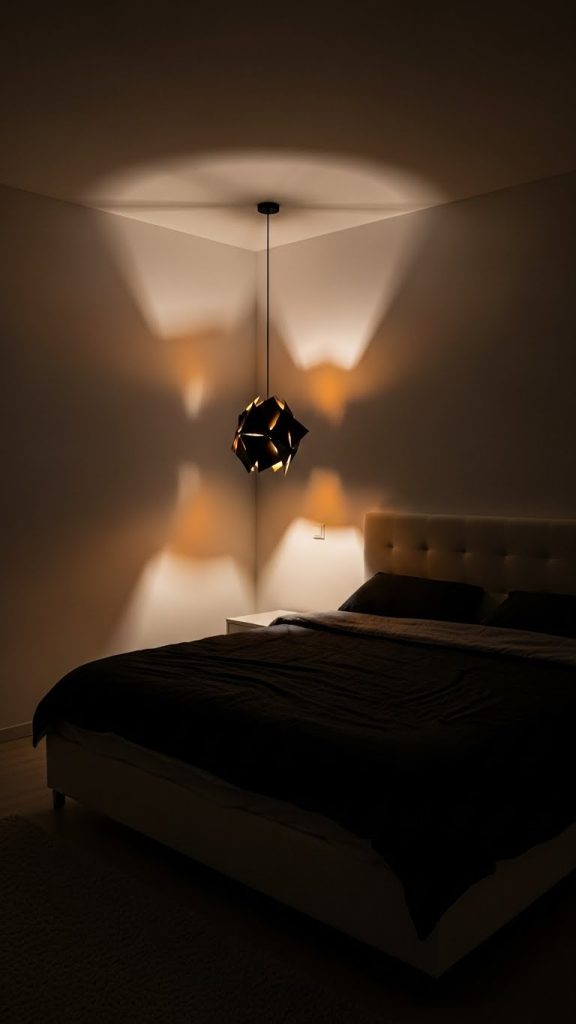
This style works well in modern or contemporary bedrooms where architectural lighting becomes the main design feature.
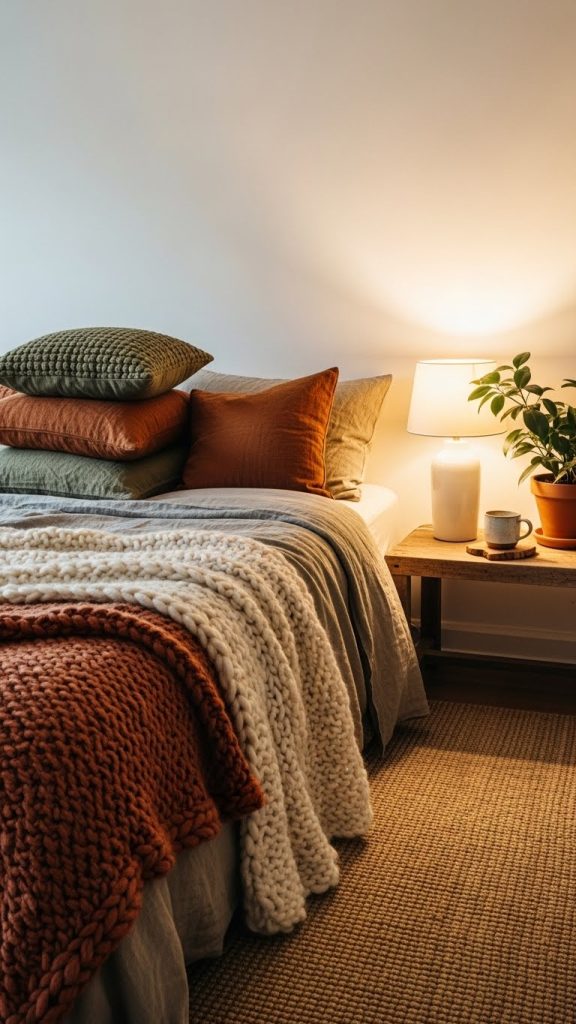
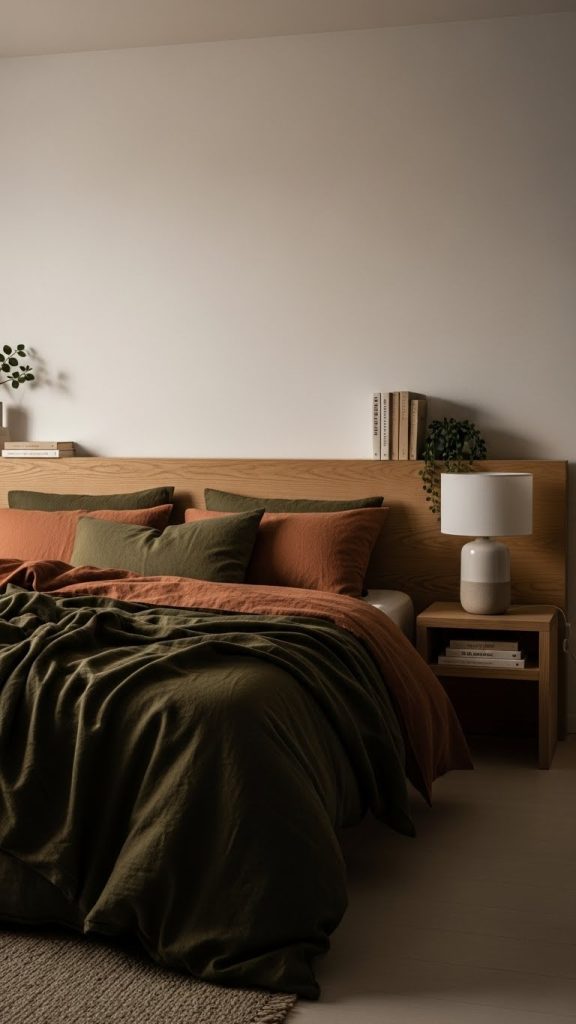
7. Moody White Bedroom with Earthy Color Layers
Earthy tones are naturally calming and grounding, making them ideal for moody bedrooms. Against white walls, they add depth without darkness.
Colors such as terracotta, clay, rust, olive, and warm brown are introduced through bedding, rugs, cushions, or artwork. These tones create emotional warmth and visual richness.
White walls keep the space feeling open while earthy colors provide contrast and mood. Natural materials—wood, linen, leather—enhance the grounded feel.
This style creates a moody bedroom that feels organic, balanced, and connected to nature.
8. Moody White Bedroom with Art and Shadows
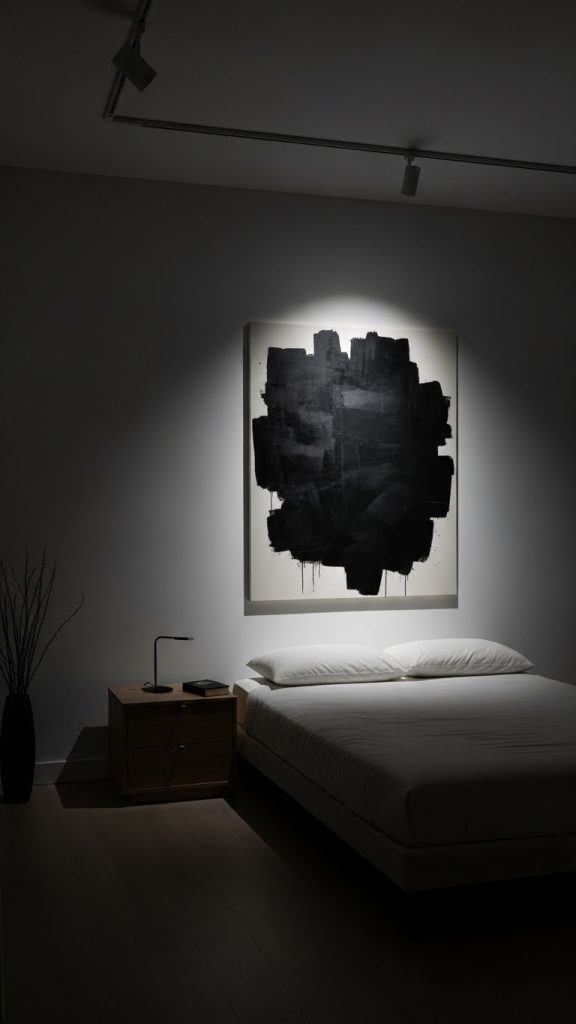
Artwork can be a powerful tool for creating mood, especially in white-walled bedrooms. Large-scale or dark-toned art introduces emotional weight and focus.
Black-and-white photography, abstract art, or moody landscapes draw attention and anchor the space. The white walls act as a gallery backdrop, enhancing the artwork’s impact.
Directional lighting on art pieces creates shadows that add depth and drama. The interplay between light, art, and wall space becomes the mood itself.
This approach suits creative individuals who want their bedroom to feel expressive, reflective, and emotionally rich.
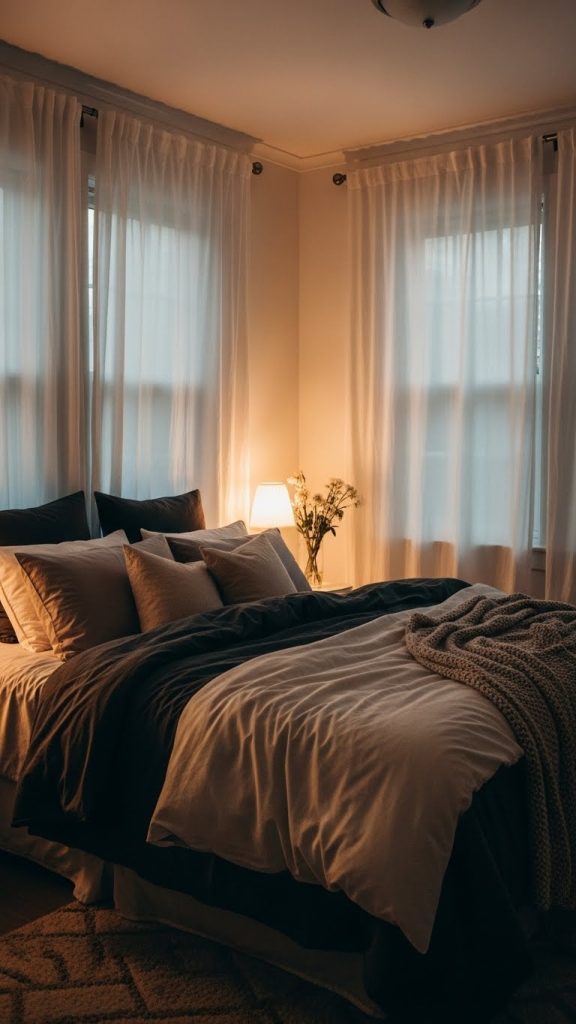
9. Cozy Moody Bedroom with Low Light and Soft Whites
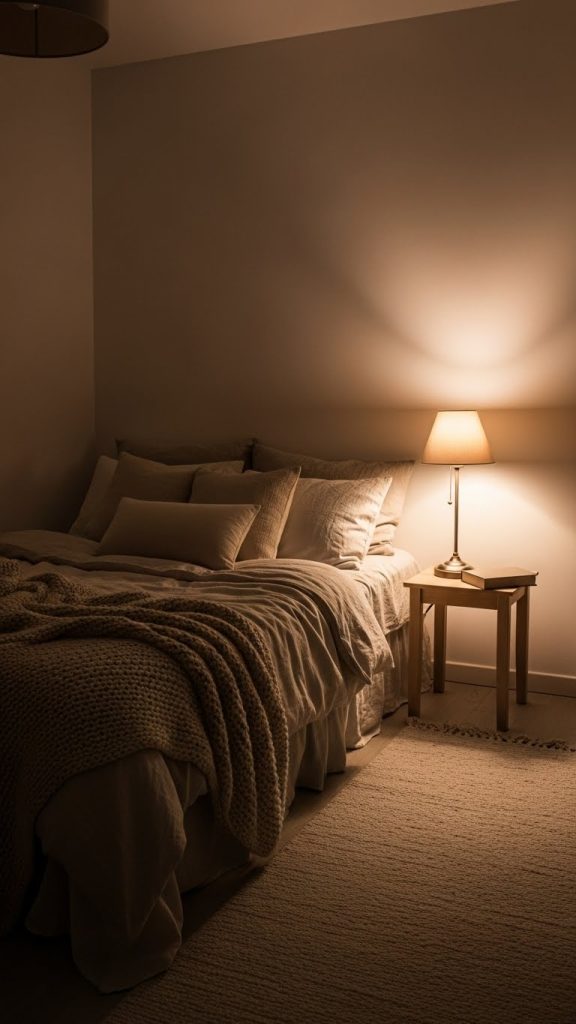
Not all white walls are the same. Soft, warm whites can feel incredibly moody when paired with low lighting and intimate design choices.
This style avoids bright daylight tones and instead leans into evening ambiance. Lamps are placed low, lighting is indirect, and shadows are embraced rather than eliminated.
Bedding and textiles are kept in warm whites, creams, and off-whites, creating tonal layering. The result is subtle, quiet, and deeply calming.
This approach is perfect for those who want a moody bedroom that feels safe, gentle, and cocoon-like rather than dramatic.
10. Modern Moody Bedroom with White Walls and Dark Furniture
Modern moody bedrooms often rely on contrast and form. White walls provide clarity, while dark furniture creates structure and depth.
A dark upholstered bed, charcoal bedding, or black nightstands anchor the room visually. Clean lines and minimal décor keep the look refined.
Lighting is architectural and intentional, often integrated into walls or ceilings. The white walls enhance the modern feel while allowing shadows and contrast to define the mood.
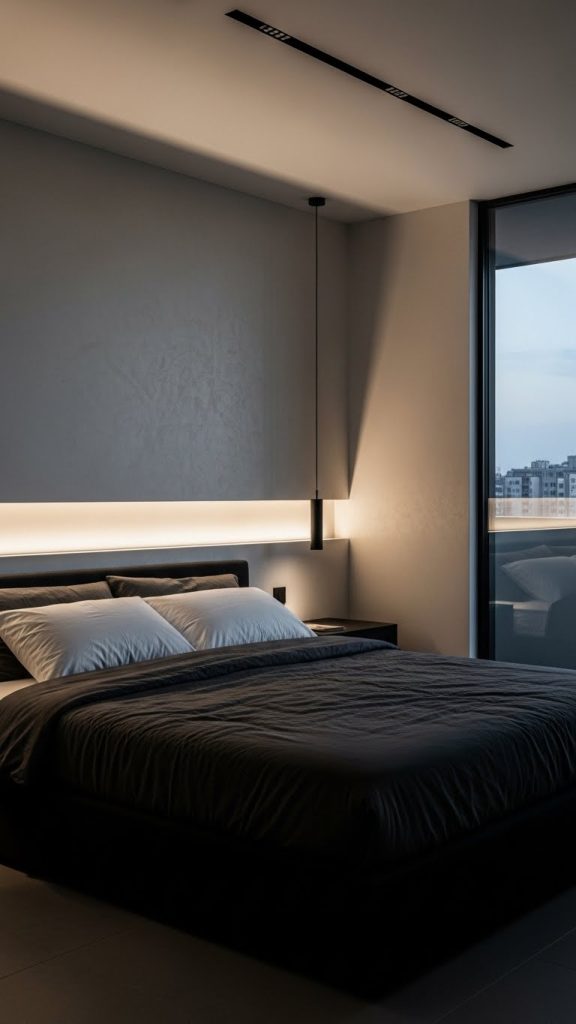
This style works particularly well in urban homes and contemporary interiors where simplicity and atmosphere coexist.
Conclusion
Moody bedrooms do not require dark walls to feel dramatic, intimate, or emotionally rich. As these ten ideas demonstrate, white walls can be one of the most powerful tools in moody bedroom design when used thoughtfully.
Through contrast, texture, lighting, and intentional styling, white walls become a canvas for depth rather than emptiness. They allow mood to emerge through shadows, warmth, and materiality while maintaining balance and openness.
Whether your preference leans toward minimalist, romantic, modern, or cozy, a moody bedroom with white walls offers versatility, timelessness, and emotional comfort—proving that atmosphere is not defined by color alone, but by how a space makes you feel.