10 Study Space Ideas at Home
Creating an effective study space at home is essential for productivity, focus, and comfort. Whether you are a student, a remote worker, or someone who occasionally needs a quiet area for reading or creative work, a thoughtfully designed study space can significantly enhance concentration and efficiency. The goal is to design a space that is functional, organized, and inspiring while accommodating your individual learning or work style. This guide explores ten home study space ideas in detail, providing practical tips, aesthetic suggestions, and insights for creating an environment that encourages focus, creativity, and long-term productivity.

1. Minimalist Desk Setup for Maximum Focus
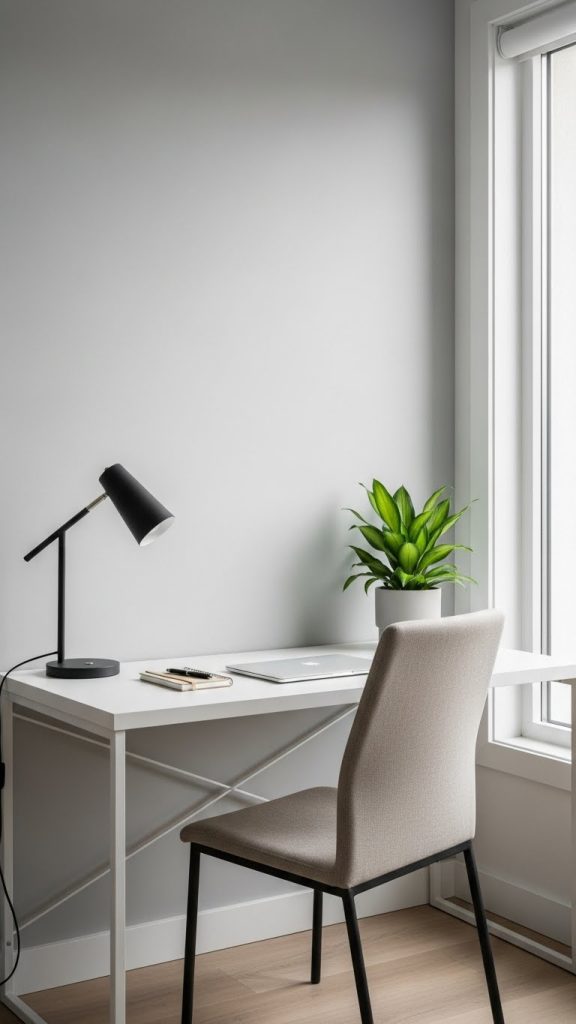
A minimalist study space is ideal for those who thrive in uncluttered environments. By limiting visual distractions, you allow the mind to concentrate on tasks more effectively. Start with a clean, sturdy desk in a quiet corner of your home. The desk should have enough surface area for your laptop, notebooks, and essential stationery without being overcrowded.
Select ergonomic furniture. A comfortable chair that supports your posture is essential, as poor seating can lead to discomfort and decreased productivity. Keep the color palette neutral, using whites, light grays, or soft natural wood tones, which create a calming effect and reduce mental fatigue.
Limit desk accessories to functional items only. For example, a desk lamp with adjustable brightness, a pen holder, and a small plant for a touch of greenery are sufficient. Avoid unnecessary decorative objects that may distract your attention. By keeping the study area minimal, you create a mental environment conducive to sustained focus and organized thought processes.
2. Study Nook in a Small Space
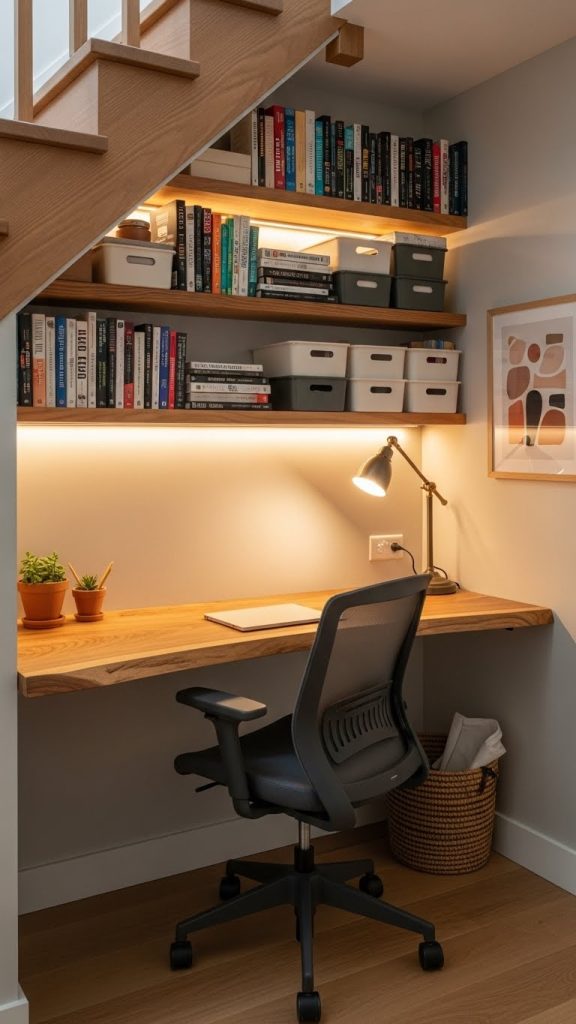
For those who have limited space, a compact study nook can be an effective solution. A study nook can be created in a corner, under a staircase, or even in a small alcove. The key is to make the area functional and visually appealing while optimizing every inch of available space.
Start with a small desk or wall-mounted floating desk. Floating desks are particularly useful because they free up floor space and create a clean, open feeling. Pair the desk with a compact ergonomic chair that can be tucked away when not in use. Ensure adequate lighting with a wall-mounted lamp or a small desk lamp to prevent eye strain.
Use vertical storage solutions, such as shelves or pegboards, to store books, stationery, or organizational tools. Adding a corkboard or magnetic board above the desk allows for pinning reminders, schedules, or inspirational quotes. Choose calming colors and simple decor to make the nook inviting and conducive to concentration. Even a small, well-organized study nook can provide a dedicated space for productive work.
3. Window-Lit Study Space for Natural Focus
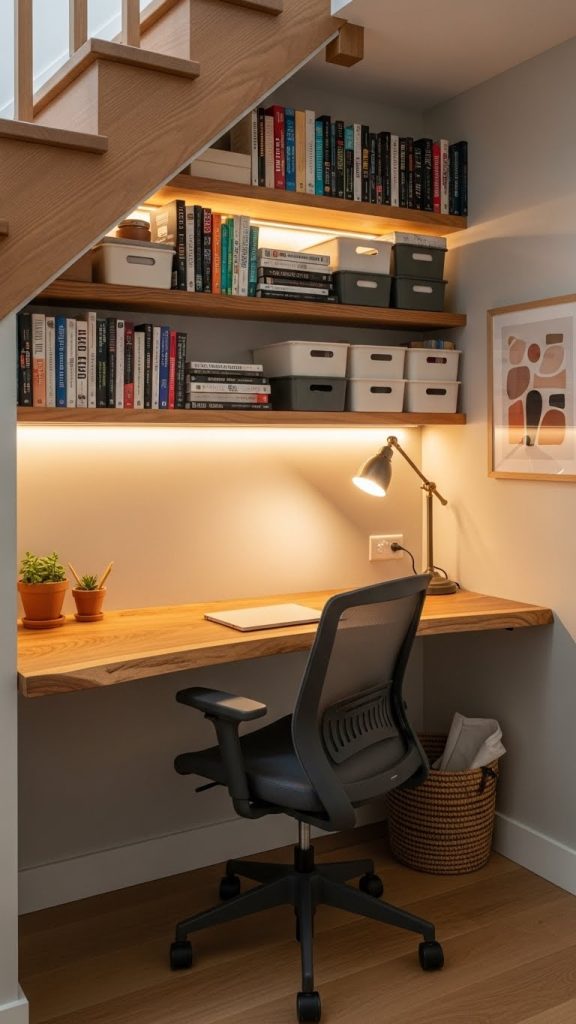
Natural light has a positive impact on mood, energy levels, and focus. Setting up a study space near a window can provide ample daylight, reduce reliance on artificial lighting, and create a refreshing environment. A desk positioned perpendicular to a window ensures that light falls evenly across the workspace without creating glare on computer screens.
Use a comfortable chair with adjustable height to maintain proper posture while working. Position essential supplies within easy reach to minimize movement and distractions. Adding light curtains or blinds allows control over the intensity of sunlight, preventing discomfort or reflections.
Incorporate elements that complement natural lighting. A few indoor plants can create a sense of calm and improve air quality. A small lamp is useful for evening work, ensuring consistent illumination when natural light fades. A window-lit study space enhances focus, reduces fatigue, and promotes a pleasant learning atmosphere.
4. Multi-Functional Study and Living Area
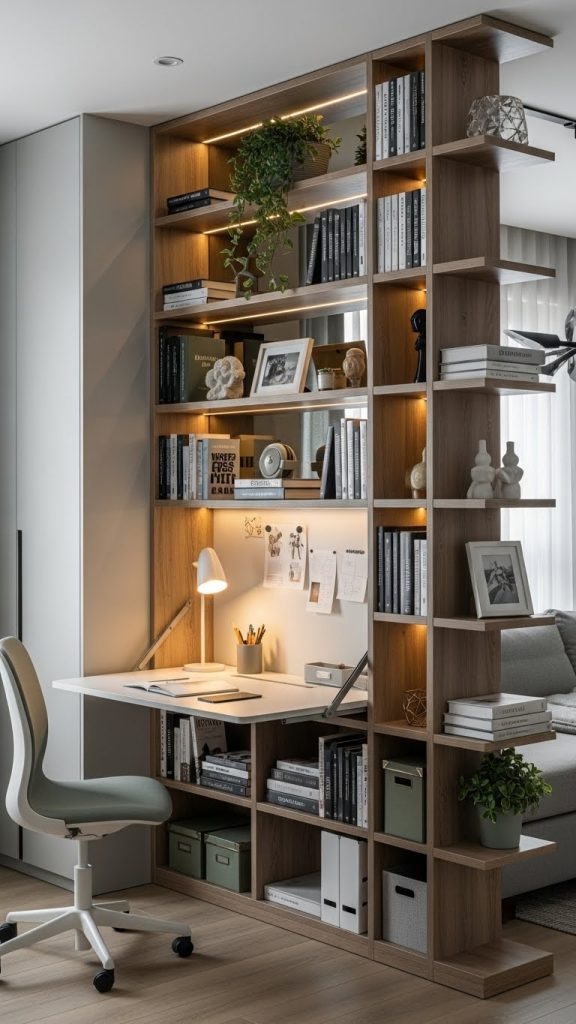
Many people need a study area that doubles as part of their living space. Creating a multi-functional study space requires strategic organization and clever design to separate work and leisure visually and functionally.
Use furniture that can serve multiple purposes. For example, a desk with built-in storage or shelves can accommodate books and supplies while maintaining a tidy living area. Consider a foldable or extendable desk that can be adjusted when not in use. Choose a chair that is comfortable for study but can also blend seamlessly with living room aesthetics.
Visual separation can be achieved with room dividers, screens, or even a strategically placed bookshelf. Clear boundaries help the brain distinguish between work mode and relaxation. Incorporate personal touches, such as artwork or decorative objects, without overwhelming the workspace. A multi-functional study area allows you to maximize your living space while maintaining productivity and focus.
5. Standing Desk for Energy and Movement
A standing desk is an excellent choice for individuals who prefer movement and wish to avoid the fatigue associated with prolonged sitting. Standing desks can improve circulation, reduce back discomfort, and promote alertness during study sessions.
Adjustable standing desks offer flexibility, allowing you to switch between sitting and standing positions throughout the day. Pair the desk with an anti-fatigue mat to reduce pressure on the feet and legs. Use an ergonomic chair or stool nearby for short rest breaks or when you need to sit while reading or writing.
Maintain minimal clutter on a standing desk to keep the focus on tasks. Vertical storage solutions, such as wall shelves or pegboards, can store office supplies efficiently. A standing desk encourages energy, promotes healthier posture, and creates a dynamic study environment suitable for long hours of work.
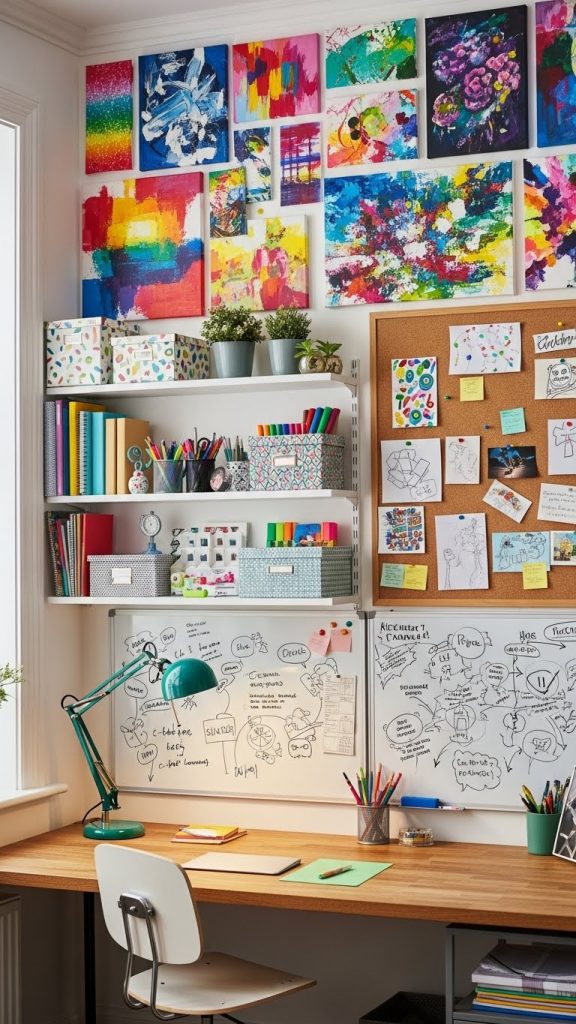
6. Creative Study Space with Inspirational Decor
A study space that inspires creativity can boost motivation and enhance learning. Personalizing the area with artwork, motivational quotes, or objects that spark curiosity helps make the study environment stimulating and inviting.
Use a combination of wall art, bulletin boards, or framed prints to create an inspiring backdrop. Include a whiteboard or chalkboard to jot down ideas, organize thoughts, or sketch diagrams. Choose functional furniture that complements the creative vibe, such as desks with open shelving or colorful chairs that enhance visual interest.
Incorporate personal elements carefully to avoid clutter. Small desk plants, stylish organizers, and a few decorative items can enhance the environment without distracting from work. Good lighting, including both natural and task lighting, further enhances productivity and mood. A creative study space stimulates imagination, encourages exploration, and supports long-term engagement in learning activities.
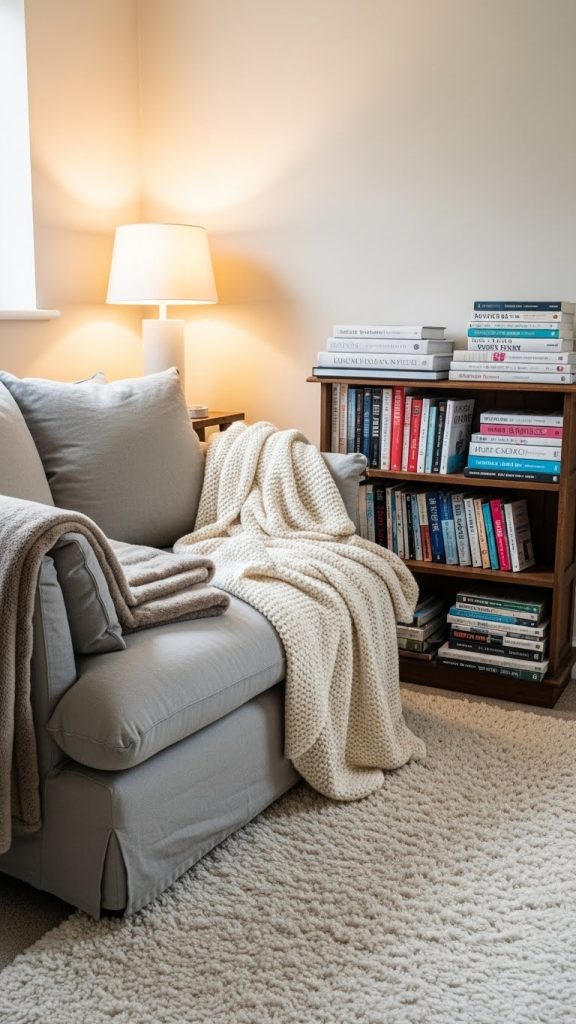
7. Cozy Study Corner with Comfort and Warmth
Comfort is a key factor in a productive study space. A cozy corner designed for long reading sessions or focused work can improve concentration while making the experience enjoyable.
Use soft textiles such as cushions, throws, and rugs to create a welcoming and comfortable environment. Choose a supportive chair or lounge-style seating that encourages relaxation while maintaining proper posture. Position the desk or table near natural light when possible and add a warm lamp for evening use.
Neutral or muted tones combined with soft textures create a calm atmosphere. Avoid excessive clutter by organizing books, stationery, and electronics in storage units or baskets. A cozy study corner not only enhances productivity but also makes study sessions more enjoyable and sustainable.
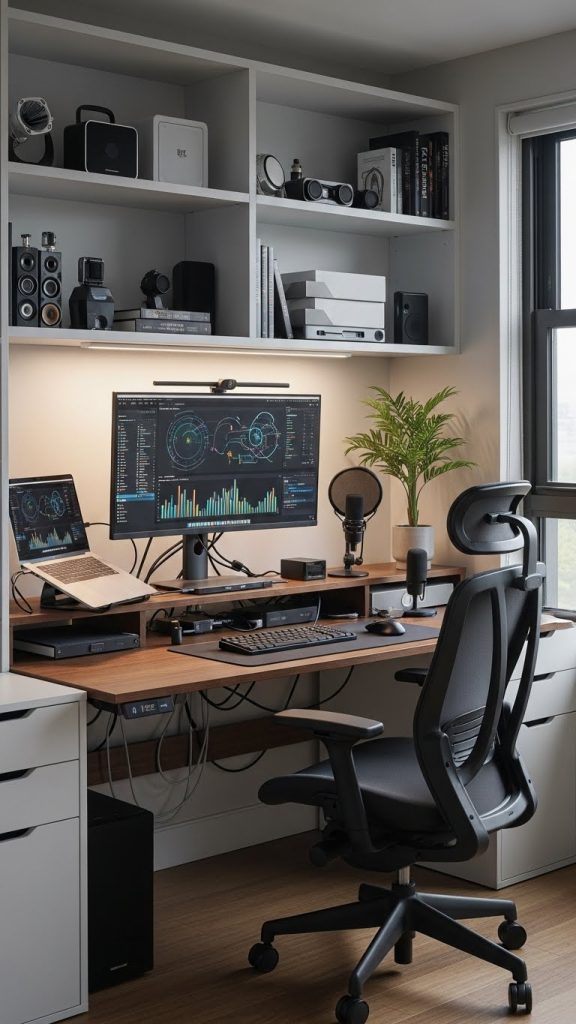
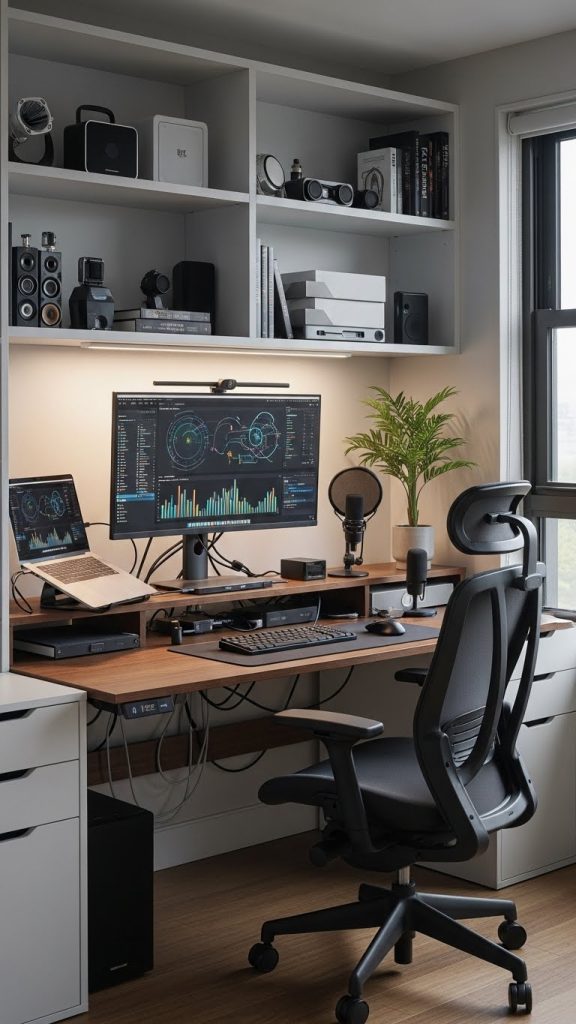
8. Tech-Optimized Study Space
For students or professionals who rely heavily on technology, designing a study space that accommodates devices efficiently is essential. A tech-optimized study space combines organization, ergonomics, and cable management to create a smooth workflow.
Start with a sturdy desk with enough surface area for a computer, monitor, keyboard, and other peripherals. Use monitor stands or laptop risers to maintain an ergonomic screen height. Invest in a comfortable chair that supports proper posture during long hours of digital work.
Organize cables using clips, channels, or cable boxes to reduce visual clutter. Include accessible charging stations for laptops, tablets, and phones. Adjustable lighting helps reduce eye strain from screens, and proper ventilation prevents overheating of devices.
A tech-optimized study space ensures seamless productivity, reduces distractions, and creates an efficient environment for digital tasks, research, and online learning.
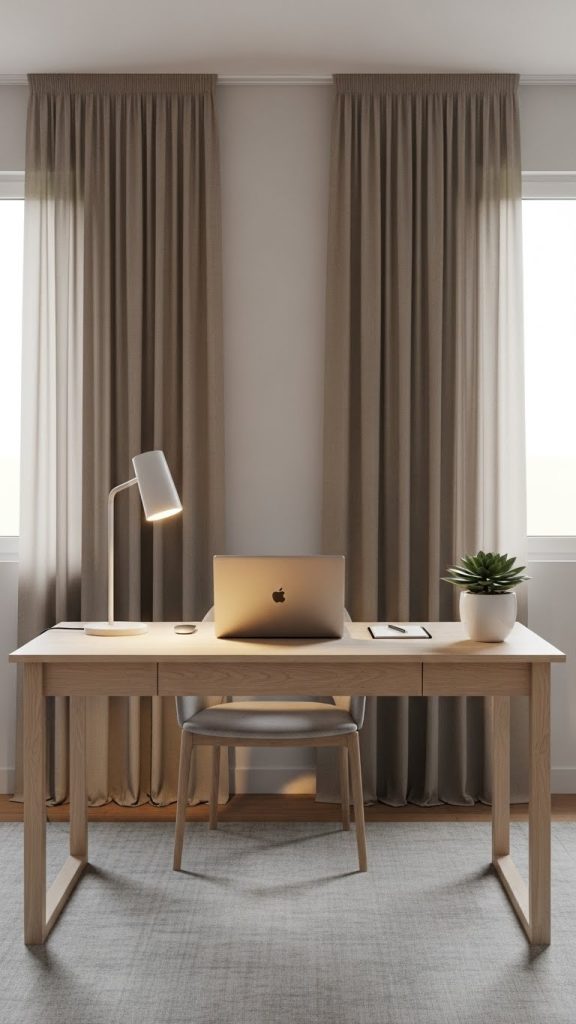
9. Minimal Distraction Environment for Deep Focus
Some individuals require an environment with minimal distractions to achieve deep concentration. Designing a study space with this principle in mind involves both physical layout and behavioral strategies.
Choose a quiet area of the home, away from high-traffic zones. Use noise-reducing elements such as thick curtains, rugs, or acoustic panels to minimize sound disruptions. Keep the desk clear of unnecessary items, leaving only essential supplies and tools within reach.
Lighting should be consistent, with minimal glare or shadows that can cause eye strain. Consider adding subtle decor that enhances calmness, such as plants or a small water feature. A distraction-free environment promotes deep focus, enhances memory retention, and supports intensive study sessions or complex tasks.
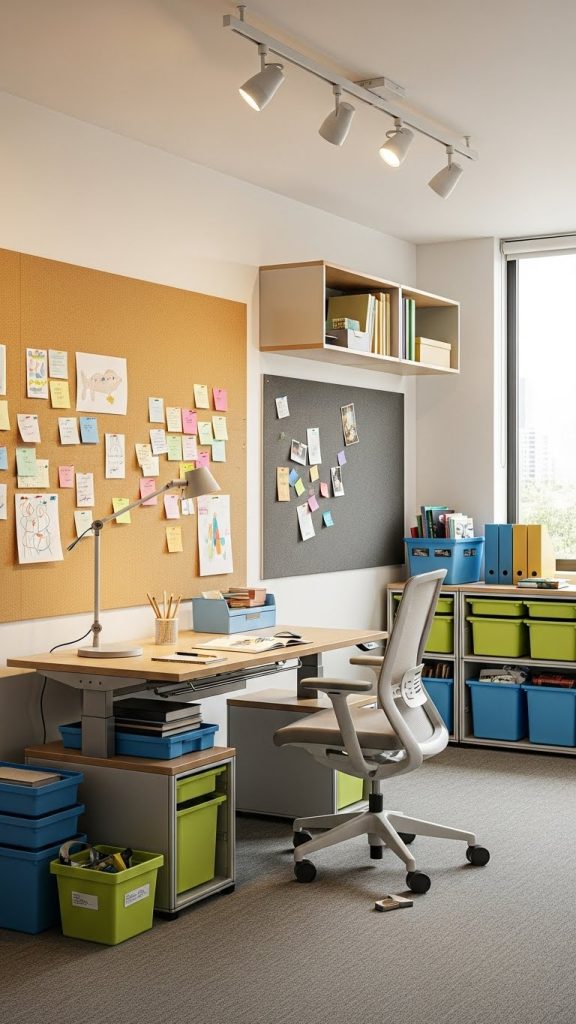
10. Flexible Study Space for Evolving Needs
A flexible study space accommodates different types of activities, adapts to growing requirements, and supports varied learning or work styles. Flexibility ensures that the space remains relevant and useful over time.
Use modular furniture that can be rearranged easily. Adjustable desks, movable chairs, and stackable storage units allow quick adaptation for individual work, group projects, or creative activities. Incorporate shelves or cabinets that can store a variety of supplies, from textbooks to craft materials.
Lighting should be versatile, with a combination of ambient, task, and accent lighting to suit different activities. Incorporate accessories such as corkboards, whiteboards, or magnetic boards that can be reconfigured as needs change.
A flexible study space promotes independence, accommodates evolving tasks, and ensures a long-lasting, functional environment suitable for continuous learning.
Conclusion
Creating an effective study space at home is a multifaceted process that involves balancing comfort, functionality, and aesthetics. Each of the ten ideas outlined in this guide provides unique strategies to design a space that enhances focus, motivation, and overall productivity. Whether you choose a minimalist setup, a cozy reading corner, a tech-optimized workstation, or a flexible multi-purpose area, the key is to align the space with your personal learning or work style.
Investing time in organizing, decorating, and optimizing your study space pays dividends in productivity and efficiency. By considering ergonomics, lighting, storage, and the overall atmosphere, you can create a dedicated area that encourages deep focus, creativity, and sustained engagement. A well-planned study space at home becomes more than a desk or a corner—it becomes a supportive environment where learning and productivity flourish.