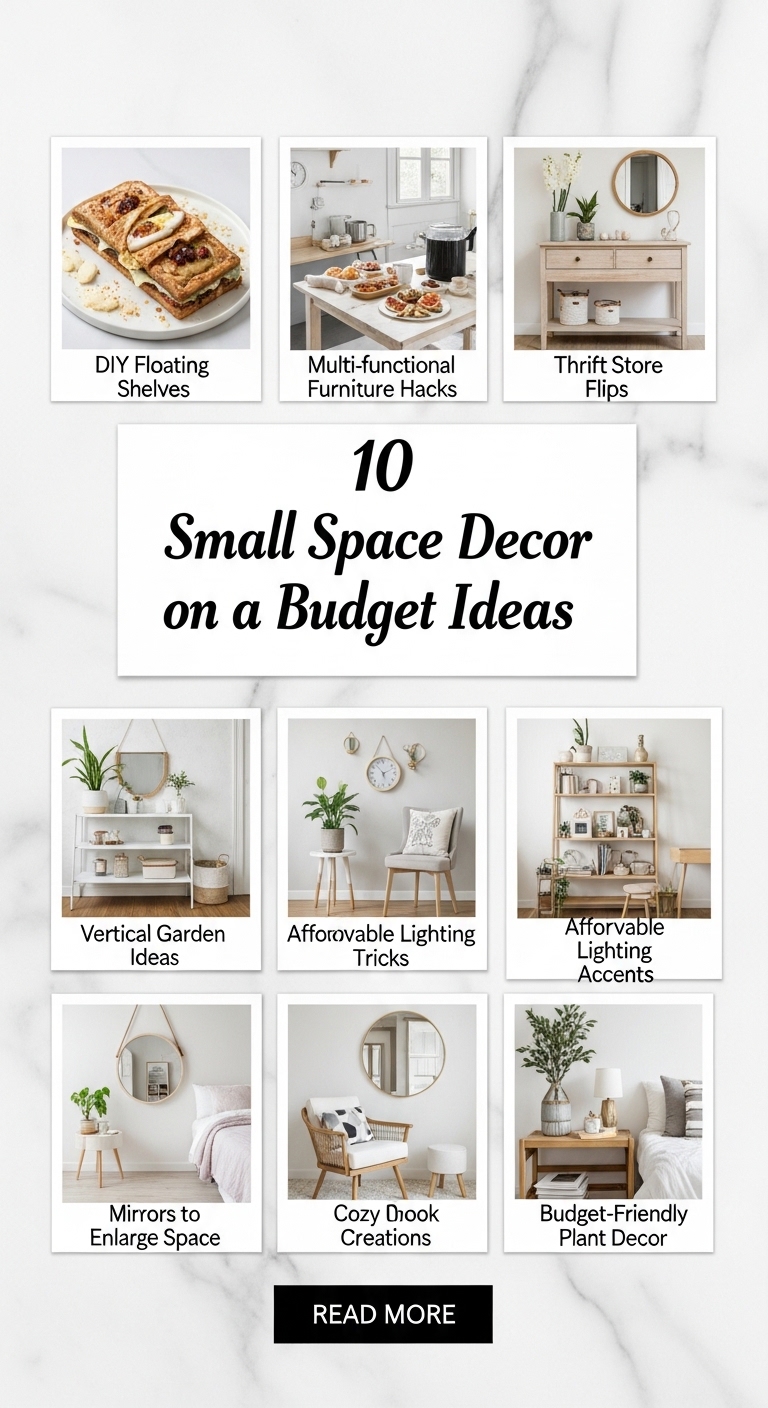
10 Small Space Decor on a Budget Ideas
Decorating a small space can feel challenging, especially when working with a limited budget. Every corner matters, every piece of furniture must serve a purpose, and every decorative choice needs to add both function and beauty. Small homes, apartments, or even single rooms require smart planning to avoid clutter, maximize storage, and still achieve a stylish and comfortable living environment. While many people assume that interior transformations require a significant investment, the truth is that thoughtful design, creativity, and resourcefulness can dramatically elevate a room without straining your finances.
Budget-friendly decor for small spaces is not about compromising style. Instead, it is about making intelligent decisions, choosing multi-functional items, using what you already have, repurposing pieces creatively, and bringing in affordable touches that make a big difference. Whether you are trying to improve a rental apartment, a bedroom, a studio, or a compact living area, you can use simple strategies to enhance comfort and visual appeal. From maximizing vertical space to using thrifted treasures, from rearranging layouts to incorporating mirrors, small-space decorating revolves around smart choices and purposeful design.
In this detailed article, you will discover ten practical, budget-conscious ideas that help you transform small spaces into functional, organized, and stylish areas. Each idea is presented with depth, examples, and ways to apply the concept in real homes. These tips are designed for anyone who wants to improve their environment while maintaining affordability. Whether your style leans modern, rustic, bohemian, minimalist, or eclectic, you will find strategies here that suit your needs.
Let’s explore how to make the most of every inch while keeping your wallet happy.
1. Maximize Vertical Space with Affordable Wall Storage
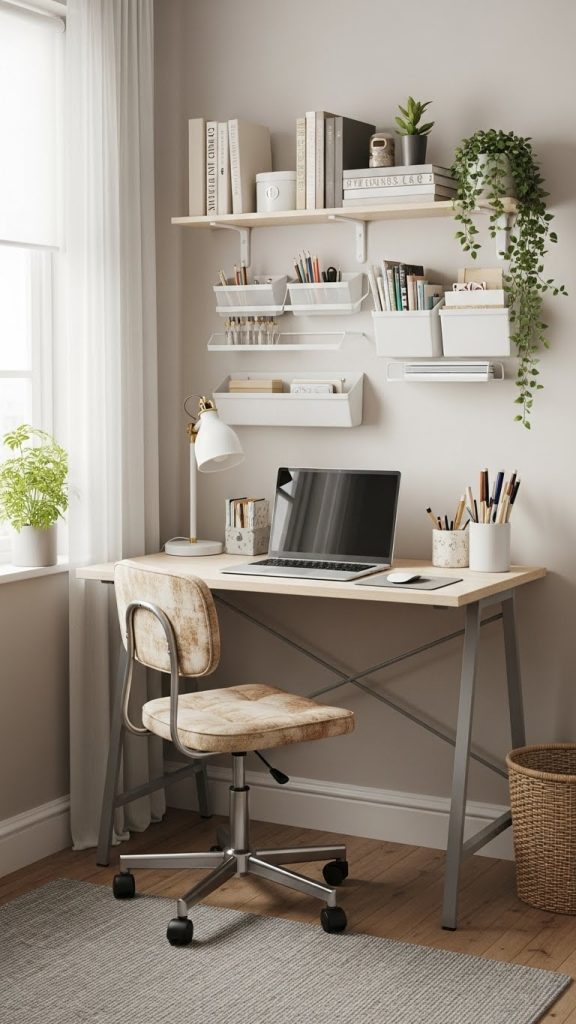
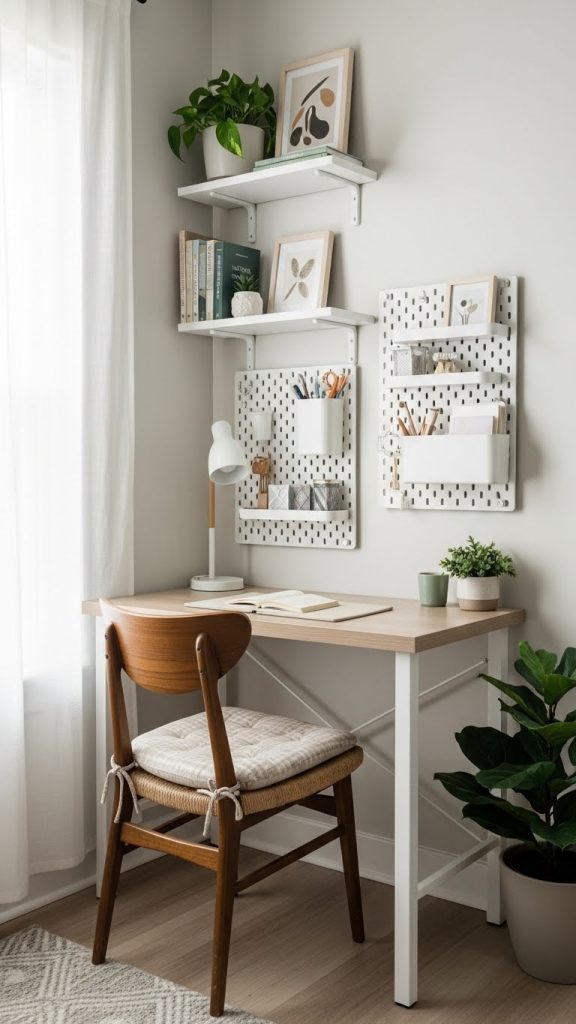
In small rooms, walls are valuable real estate. Instead of cramming storage into the floor area, shift your focus upward. Budget-friendly wall storage solutions such as floating shelves, inexpensive metal racks, pegboards, wall hooks, and DIY wooden shelves can save space, reduce clutter, and add beauty to your room.
Floating shelves are widely available at low prices in many home stores, and they can display decor items, store books, or hold plants. For example, installing two or three floating shelves above your desk or sofa can help you keep surfaces free of clutter while adding personality to the room. Pegboards, often made of wood or metal, are another budget-friendly option, especially useful in kitchens, offices, craft areas, or entryways. You can hang utensils, tools, bags, or accessories neatly without taking up floor space.
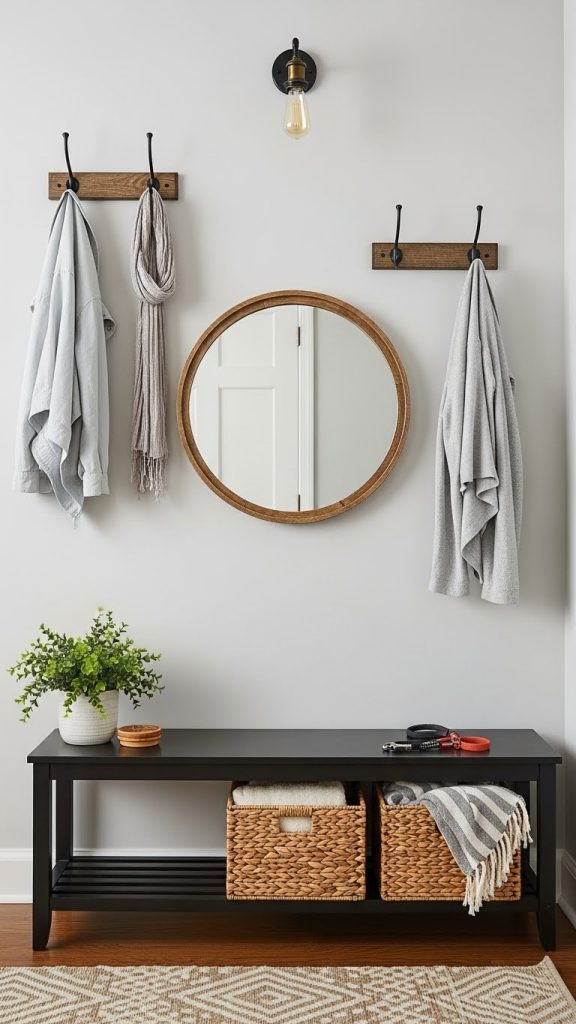
Wall hooks offer an even more affordable alternative. They can hold coats, hats, scarves, bags, jewelry, or towels. By using vertical surfaces effectively, you prevent overcrowding in the main living area and create an organized layout. For renters who cannot drill holes, adhesive-backed wall organizers or removable command hooks can be used to achieve a similar effect without damaging the walls.
Creating a gallery wall featuring thrifted frames or printable art is another inexpensive way to utilize vertical space. You can also mount baskets on walls to store small items. The key is to treat walls as functional surfaces rather than purely decorative ones. When done well, vertical storage makes a small space feel more open, tidy, and thoughtfully arranged.
2. Choose Multi-Functional Furniture Pieces
In small spaces, every piece of furniture must justify its presence. Instead of choosing single-purpose items, opt for multi-functional furniture that provides more value and flexibility. For example, a storage ottoman can serve as a seat, a footrest, a coffee table, and a hidden storage compartment. Similarly, a sofa bed can function as seating during the day and a bed at night, making it perfect for studio apartments or guest rooms.
Coffee tables with shelves or drawers offer additional room for storing blankets, books, or remote controls. Foldable dining tables that expand when needed and collapse when not in use are ideal for tiny dining areas. Lounge chairs that incorporate storage underneath can also help reduce clutter. Benches with built-in cubbies offer both seating and organizational benefits.
Even decor can have dual functions. A large wicker basket can hold blankets or cushions while serving as a decorative accent. A full-length mirror with built-in hooks or shelves can both enhance natural light and store accessories. By investing in multi-functional furniture, you reduce the need to buy multiple items, save money, and keep your small space uncluttered.
The smartest approach is to combine style with practicality. Look for furniture that blends seamlessly into your interior theme while delivering multiple functionalities. In small homes, flexibility is key, and these adaptable pieces make your space work better for your lifestyle.
3. Use Light and Neutral Colors to Create an Open Feel
Decorating on a budget does not require expensive materials; sometimes, a simple can of paint can transform a room. Light and neutral colors have the power to make a small space feel larger, brighter, and more inviting. Colors like white, beige, cream, pale gray, and soft pastel shades reflect natural light and create an airy atmosphere.
Neutral walls provide a calm backdrop that pairs well with any decor style. They also allow you to change the look of your space easily using textiles, rugs, accessories, or artwork without needing to repaint. If a full repaint is not possible, consider painting just one feature wall or refreshing old furniture with a coat of neutral paint.
Textiles are an affordable way to incorporate these shades. Light-colored curtains, slipcovers, rugs, and bedding can lift the visual weight of a room and make it feel more spacious. Mirrors, glass surfaces, and metallic accents further enhance brightness by reflecting both natural and artificial light.
For renters unable to repaint walls, removable wallpaper in light tones offers a temporary and budget-friendly solution. It can transform the mood of a room without permanent alterations. The aim is to create an environment where space feels open rather than closed in. Light colors help blur boundaries and visually expand small rooms, giving them a more airy and welcoming quality.
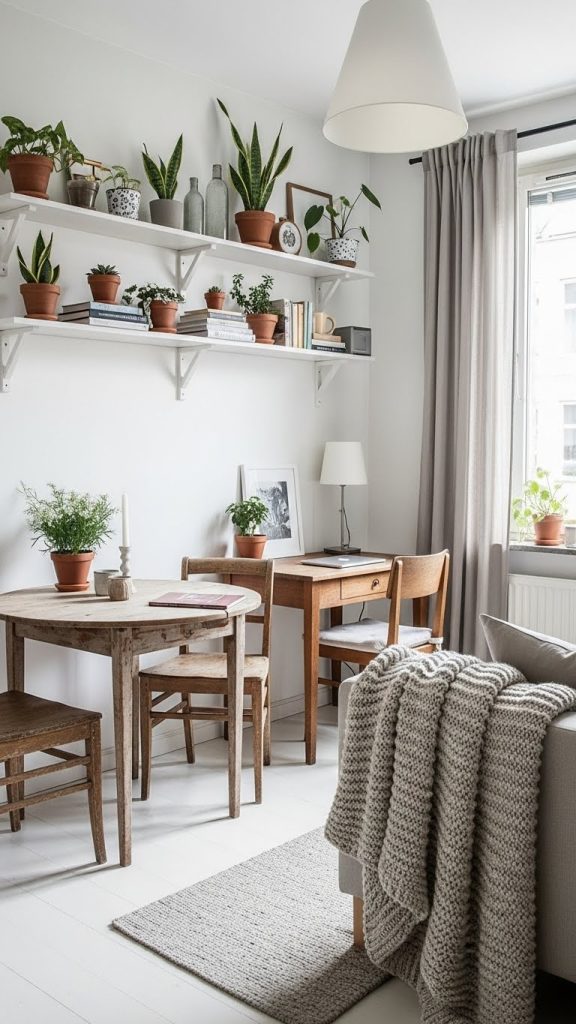
4. Shop Secondhand or Thrift for Unique Decor Pieces
Thrift stores, flea markets, garage sales, and online marketplaces offer a treasure trove of affordable decor. Small spaces benefit from unique character, and secondhand items can deliver charm without the high price tag. Instead of buying new, explore pre-loved pieces that can be repurposed, refinished, or adapted to your needs.
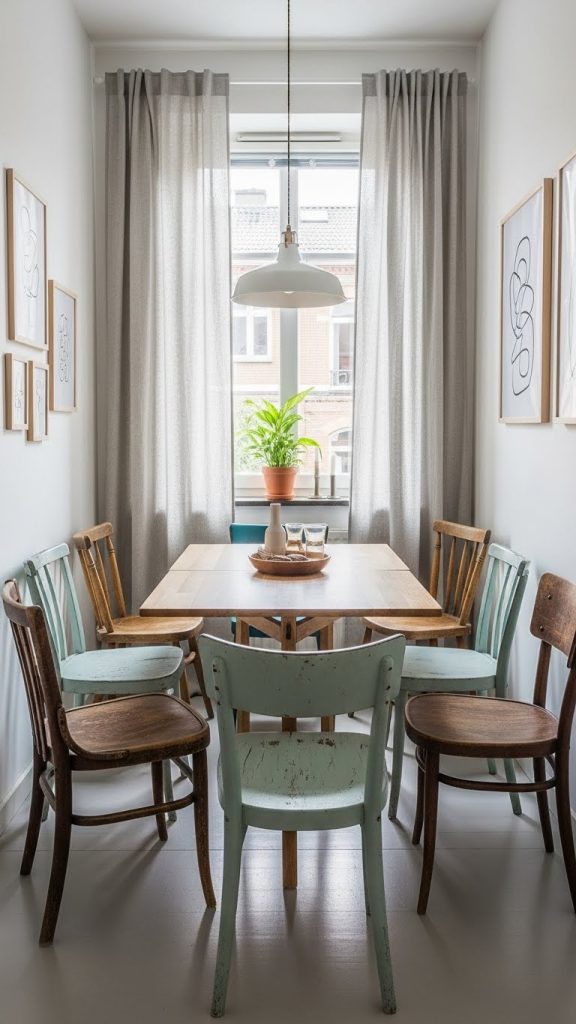
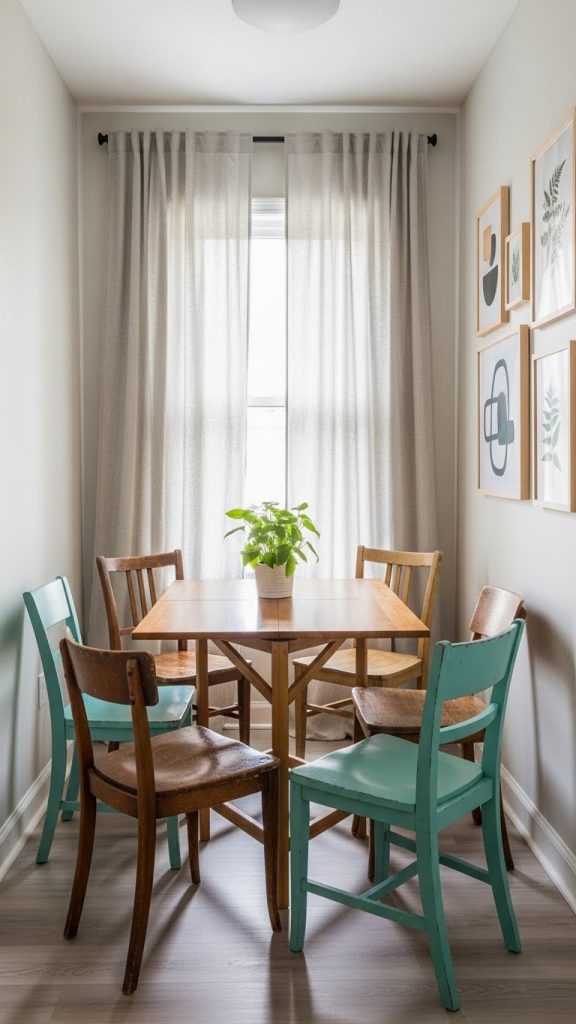
Vintage frames, old wooden boxes, used shelves, antique mirrors, and secondhand chairs can all be transformed with creativity. A quick sanding and a coat of paint can revive tired furniture and give it a new purpose. Upcycling is not only budget-friendly but also environmentally responsible.
You might find unique art pieces, interesting ceramics, brass accessories, or woven baskets at a fraction of the cost of new ones. Mixing secondhand items with modern elements creates a layered, curated look that makes small spaces feel more intentional. If you are decorating a tiny living room, a thrifted side table or a retro lamp can add personality without overwhelming the area.
Online platforms also allow you to negotiate prices, bundle items, or pick up free items from local listings. Embrace creativity and sustainability; secondhand shopping is one of the most effective ways to decorate small spaces on a budget.
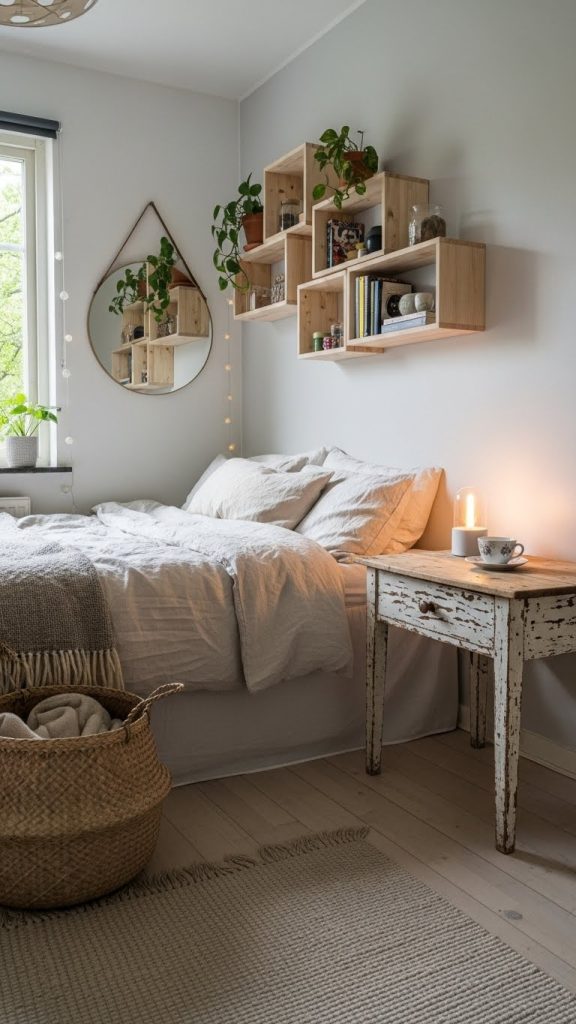
5. Rearrange Your Layout to Improve Flow
Sometimes, the best decor upgrade costs nothing at all. Rearranging your furniture layout can make a small space feel more functional and visually appealing. Many small rooms suffer from poor flow because couches, tables, or shelves block natural pathways or crowd the center of the room.
Start by identifying how you use the space. If the current arrangement does not support your daily activities, try repositioning furniture along the walls or choosing a focal point that makes the room feel more open. Placing larger items against a wall and keeping the center open can instantly improve movement.
In a compact living room, pull sofas slightly away from the wall to create the illusion of more space. Angle chairs to create a cozy nook or reading corner. In bedrooms, shifting the bed to one wall might free up space for a small desk or dresser. Even swapping decor from one room to another can breathe new life into your home.
Rearranging also helps you discover what you do not need. Removing a bulky piece that serves little purpose can completely transform a cramped area. With thoughtful planning, you can enhance your room’s function without spending a dime.
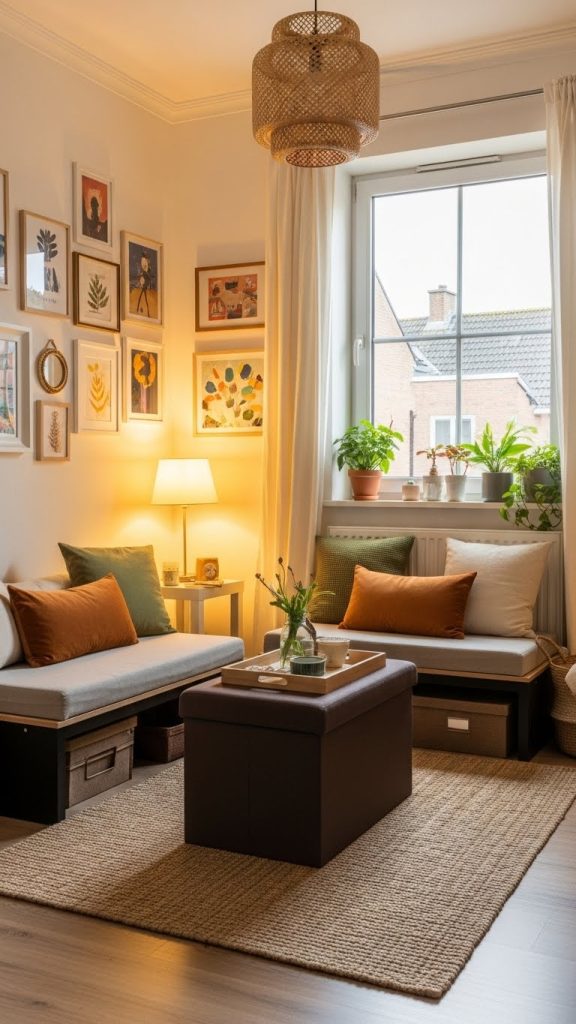
6. Incorporate Mirrors to Expand Your Space Visually
Mirrors are one of the most cost-effective tools for enlarging small spaces. They reflect light, create depth, and make rooms feel brighter and more open. A strategically placed mirror can transform even the smallest apartment. For example, positioning a mirror across from a window will amplify natural light and give the illusion of a larger room.
Full-length mirrors, wall-mounted mirrors, or even small decorative mirrors can create this effect. You do not need to purchase expensive pieces; many affordable options are available, and secondhand mirrors can be repainted or reframed to match your decor.
Mirrors also serve as stylish decorative elements. A cluster of small mirrors creates an eye-catching feature wall. A large standing mirror leaning against the wall creates height and sophistication. In cramped entryways, a mirror helps open the space and creates a welcoming feel.
Using mirrors smartly allows you to achieve a more open and luxurious atmosphere while staying well within your budget.
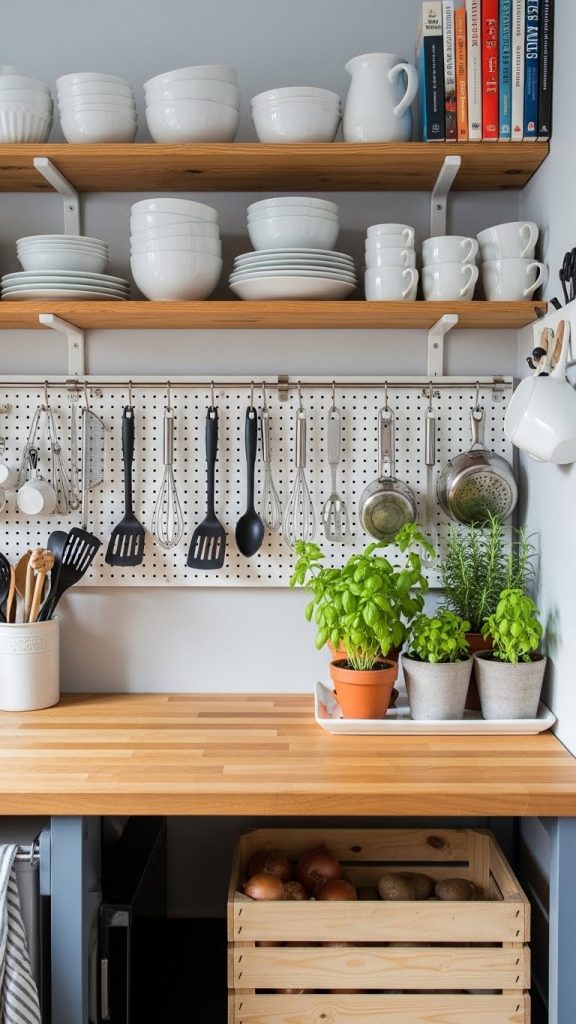
7. Add Plants for Freshness and Texture
Plants bring life, freshness, and vibrancy to any small space. They add natural texture, improve air quality, and make the room feel more connected to nature. The best part is that plants are one of the most budget-friendly decor items available.
Even small succulents or low-maintenance indoor plants like pothos, snake plants, or spider plants can make a big difference. Hanging plants are particularly effective in compact rooms because they use vertical space instead of surfaces. A hanging plant near a window or in a corner adds depth and visual interest without cluttering shelves or tables.
Propagation is another money-saving technique. Many plants propagate easily in water, allowing you to grow new plants for free. You can also repurpose old jars, mugs, or bowls as plant containers. Plants complement every decor style, from minimalist to bohemian, modern to rustic.
The goal is not to overcrowd the room with plants but to use them strategically to add life and softness to small spaces.
8. Use Smart Lighting to Create Warmth and Dimension
Lighting plays a crucial role in how a small space feels. Relying solely on overhead lighting can make rooms look flat and harsh. Instead, use a mix of affordable lighting sources such as floor lamps, table lamps, wall sconces, or string lights to create depth and warmth.
Soft lighting highlights different areas of the room and makes it feel cozy and inviting. For example, placing a small lamp on a shelf or side table instantly creates an intimate atmosphere. Using under-shelf or LED strip lighting can illuminate dark corners or highlight specific decor elements.
Battery-operated lights are useful for renters or those on a strict budget. They require no wiring and can be placed anywhere. Lampshades can be replaced or upgraded cheaply to match your decor theme. Creating layers of light enhances the room’s ambiance, making small spaces feel more luxurious without spending heavily.
9. Declutter Consistently to Maintain Spaciousness
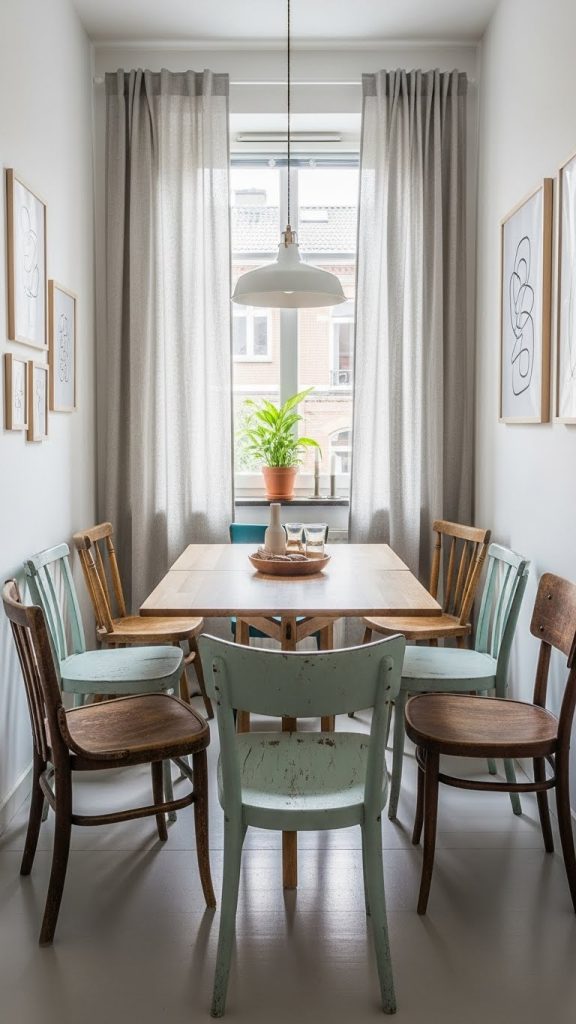
Clutter can make even the largest rooms feel cramped. In small spaces, regular decluttering is essential. It costs nothing and instantly improves the atmosphere. Evaluate what you use daily and what can be stored, donated, or discarded.
Using baskets, bins, and organizers helps keep items in designated places. Affordable storage solutions prevent surfaces from getting overwhelmed and maintain the visual clarity of the room. A clutter-free home feels larger, cleaner, and more peaceful.
Adopting a minimalist mindset does not mean eliminating everything, but rather choosing what adds value to your life and home. Prioritize functionality and beauty. A tidy space is the foundation of good design, especially when decorating on a budget.
10. Personalize with Affordable Decor Accents
Small, inexpensive decor items can make a big impact. Throw pillows, thrifted artwork, woven baskets, candles, secondhand vases, and DIY crafts add character and warmth. You do not need to overspend to create a stylish atmosphere. Handmade crafts or upcycled decor can be both meaningful and budget friendly.
For instance, creating your own wall art using printable designs or painting abstract patterns on canvas can save money while elevating your decor. Rearranging existing accessories or combining them in new ways can refresh the room’s look. Even simple touches like layering blankets, adding textured cushions, or displaying a collection of books or souvenirs can make the space uniquely yours.
Affordable personalization allows you to experiment and express your style without making major investments.
Conclusion
Decorating a small space on a budget is entirely achievable with creativity, planning, and smart decisions. Instead of focusing on what you cannot change, highlight the potential of your space. By maximizing vertical storage, choosing versatile furniture, embracing neutral colors, shopping secondhand, rearranging layouts, and adding thoughtful accents, you can transform any small room into a comfortable, functional, and stylish environment. These ideas prove that great design does not require a large budget, only resourcefulness and vision. With these practical tips, you can elevate your home and make every inch count while staying within your financial comfort zone.