 admin
admin
Moving into a new house is both exciting and disorienting. The rooms are clean, the walls unmarked, the floors untouched by memory. Everything feels full of possibility—and strangely empty at the same time. Decorating a new house is not simply about filling space with furniture or choosing paint colors; it is about translating who you are into a physical environment.
Unlike redecorating an existing home, a new house offers no visual cues. There are no inherited choices to work around, no layered history to guide decisions. This freedom can feel overwhelming. Many people rush to furnish every room quickly, only to realize later that the space feels generic or disconnected from how they actually live.
The most successful new house decorating projects unfold gradually. They balance intention with patience, cohesion with personality. Rather than chasing trends, they focus on comfort, function, and emotional resonance. A well-decorated home should not impress at first glance alone—it should feel right on an ordinary Tuesday evening.

The following ten decorating ideas are designed specifically for new houses. They emphasize long-term livability, visual harmony, and personal meaning. These are not quick fixes or surface-level tricks. They are foundational approaches that help transform a new structure into a home that feels deeply yours.
1. Start with How You Want to Feel, Not How You Want It to Look
One of the most common mistakes in decorating a new house is beginning with aesthetics alone. While visual inspiration is important, the strongest homes are designed from an emotional starting point.
Before buying furniture or décor, ask yourself how you want each space to feel. Do you want your living room to feel calm and restorative, or lively and social? Should your bedroom feel cocooning and quiet, or light and energizing? When you define emotional goals first, design decisions become clearer and more consistent.
For example, if you want a calming home, you may naturally gravitate toward softer lighting, muted colors, and tactile materials. If you want an energizing home, you may choose contrast, bolder art, and dynamic layouts. This emotional framework acts as a filter, helping you avoid impulse purchases that don’t truly belong.
In a new house, this approach creates cohesion across rooms without forcing everything to match. Each space can have its own personality while still contributing to an overall emotional rhythm.

2. Invest Early in Lighting That Shapes Mood
Lighting is one of the most transformative—and most underestimated—elements of home décor. In a new house, builder-grade lighting is often functional but emotionally flat. Replacing or supplementing it early changes how the entire home feels.
Rather than relying solely on overhead lights, layer lighting throughout the house. Combine ambient lighting (general room light), task lighting (for reading, cooking, working), and accent lighting (to highlight art or architectural features). Table lamps, floor lamps, wall sconces, and dimmers add warmth and flexibility.
Warm light temperatures make new spaces feel welcoming and lived-in. Even modern homes benefit from softer, warmer bulbs that reduce harshness. Lighting should create pools of light rather than blanket brightness.
When lighting is thoughtfully designed, even minimal décor feels intentional. It allows the home to shift seamlessly from daytime functionality to evening comfort.

3. Let Furniture Define Space Before You Decorate It
In a new house, especially one with open-plan layouts, it can be tempting to decorate walls and surfaces before furniture placement is finalized. This often leads to rooms that feel disjointed or impractical.
Start by placing major furniture pieces first. Sofas, beds, dining tables, and storage units define how rooms function and flow. Once these anchors are in place, décor choices become more intuitive.
Furniture should be chosen for both scale and lifestyle. Oversized pieces can overwhelm a new house, while undersized furniture can make rooms feel unfinished. Consider how you move through the space, where you naturally pause, and how furniture can support those patterns.
Once furniture establishes structure, accessories and art can enhance rather than compete with it.

4. Use Neutral Foundations and Layer Personality Slowly
New houses often benefit from neutral foundations. Walls, large furniture pieces, and flooring are easiest to live with when they are restrained and adaptable. Neutral does not mean boring—it means flexible.
Soft whites, warm beiges, greiges, and muted earth tones create a canvas that evolves with you. Against this backdrop, personality can be layered through textiles, art, books, and objects collected over time.
This approach reduces decorating regret. Trends change quickly, but neutral foundations allow you to refresh your home without starting over. A neutral sofa can support bold pillows one year and subtle textures the next.
In a new house, restraint at the beginning often leads to richer, more personal results in the long run.

5. Prioritize Texture to Avoid a Flat, New-Build Feel
New houses often feel visually flat because surfaces are uniform and untouched. Texture is the antidote. It adds depth, warmth, and a sense of history.
Incorporate a variety of textures throughout the home: woven rugs, linen curtains, wool throws, wood furniture, ceramic accents, and matte finishes. Even subtle contrasts—smooth walls against textured upholstery—make a difference.
Texture also affects how a space feels physically. Soft surfaces absorb sound, making rooms quieter and more comfortable. Hard surfaces reflect light, adding brightness and clarity. A thoughtful mix balances both.
By prioritizing texture, a new house begins to feel layered and lived-in rather than freshly staged.

6. Create Visual Flow from Room to Room
A new house feels most cohesive when there is visual continuity between spaces. This does not mean every room must look the same, but there should be a shared language of color, material, or form.
Choose a limited palette of core colors and repeat them subtly across rooms. Carry similar wood tones, metal finishes, or textile styles throughout the house. These repetitions create harmony without uniformity.
Visual flow is especially important in open-plan homes, where rooms are visible simultaneously. In such spaces, transitions should feel natural rather than abrupt.
When a home flows visually, it feels calmer and more intentional, even as individual rooms express different functions and moods.

7. Decorate with Real Life in Mind
A beautifully decorated house that doesn’t support daily life quickly becomes frustrating. In a new home, functionality should guide decorative choices from the beginning.
Consider storage early. Built-in shelves, cabinets, baskets, and concealed storage prevent clutter from accumulating. Decorative storage—such as beautiful boxes or benches with hidden compartments—combines form and function.
Think about how you actually live. Where do you drop keys? Where do bags pile up? Where do shoes collect? Designing for these habits prevents chaos and preserves the beauty of the space.
When décor supports real behavior, the home remains welcoming rather than restrictive.

8. Use Art and Objects to Tell Your Story
A new house becomes a home when it reflects the people who live there. Art and personal objects are powerful tools for creating that connection.
Instead of filling walls with generic prints, choose art that resonates emotionally. This can include photographs, original artwork, textiles, or meaningful objects framed thoughtfully. The value lies in connection, not cost.
Objects collected over time—books, travel souvenirs, inherited pieces—add layers of meaning. Display them intentionally rather than scattering them randomly. Grouping objects creates visual weight and storytelling.
This approach ensures that your home feels personal rather than staged, grounded rather than temporary.

9. Embrace Negative Space and Resist Overfilling
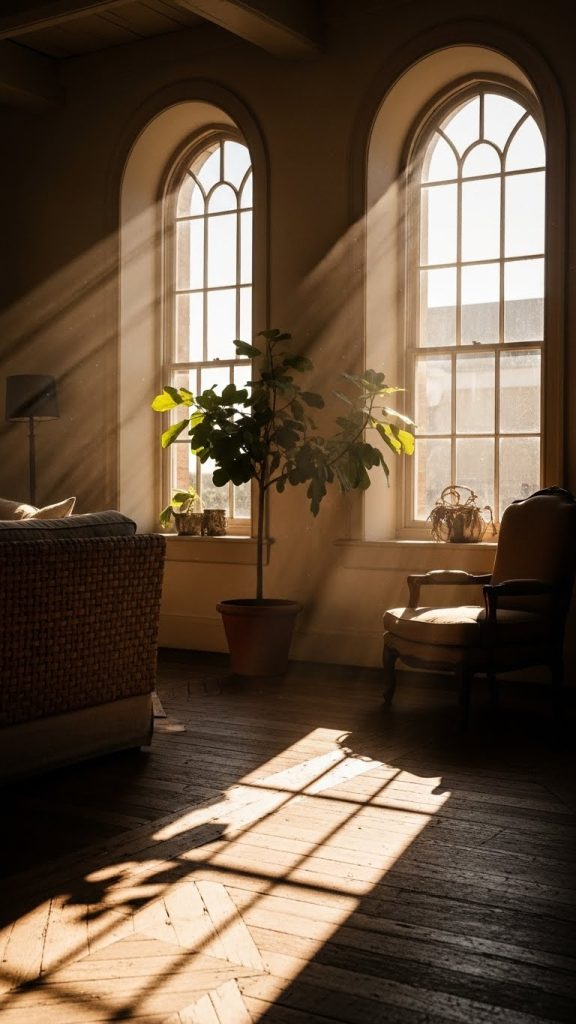
One of the greatest advantages of a new house is space. Resist the urge to fill every corner immediately. Negative space—areas left intentionally open—allows rooms to breathe.
Empty space highlights what is present. It creates calm and gives the eye places to rest. Over time, it also allows your home to evolve naturally as needs and tastes change.
Living with some emptiness initially helps you understand how the house wants to be used. You may discover that a corner works better as open space than as a furnished area.
Restraint is a powerful decorating choice, especially in a new home.
10. Let the Home Evolve Instead of Finishing It All at Once
Perhaps the most important decorating idea for a new house is patience. A home does not need to be “finished” to be functional or beautiful.
Allow yourself to live in the space before making permanent decisions. Notice how light moves, where you gather naturally, and what you reach for most often. These observations should inform later choices.
Homes that evolve over time tend to feel richer and more authentic. They reflect growth, change, and lived experience rather than a single moment of design.
When you allow your new house to unfold gradually, it becomes not just decorated—but inhabited.

Conclusion: Turning Space into Belonging
Decorating a new house is not about achieving a perfect look. It is about creating belonging. The most successful homes are those that support daily life, reflect personal values, and feel welcoming on both ordinary and special days.
By starting with feeling, prioritizing comfort and function, and allowing personality to emerge slowly, a new house becomes more than a structure. It becomes a place where life can settle, unfold, and be fully lived.
In the end, the best decorating choice is not the trendiest or most impressive—it is the one that makes you exhale when you walk through the door.


