10 Fresh Flower Bed and Mailbox Ideas
Your mailbox is often one of the first things people see when approaching your home — a small detail that can make a big impact. A beautifully designed flower bed around your mailbox doesn’t just boost curb appeal; it also adds a welcoming, personal touch that reflects your home’s character.

Whether you live in a suburban neighborhood, a rural farmhouse, or a coastal cottage, enhancing your mailbox area with fresh flowers and thoughtful landscaping can completely transform your front yard. Flower beds bring color, life, and seasonal charm to what’s often an overlooked spot.
From structured perennials and cascading blooms to creative planters and stone borders, the right combination of flowers and materials can turn your mailbox into a striking focal point. In this article, we’ll explore 10 fresh flower bed and mailbox ideas that blend beauty with practicality. Each idea includes design tips, plant suggestions, and layout inspiration to help you create a stunning and low-maintenance display.
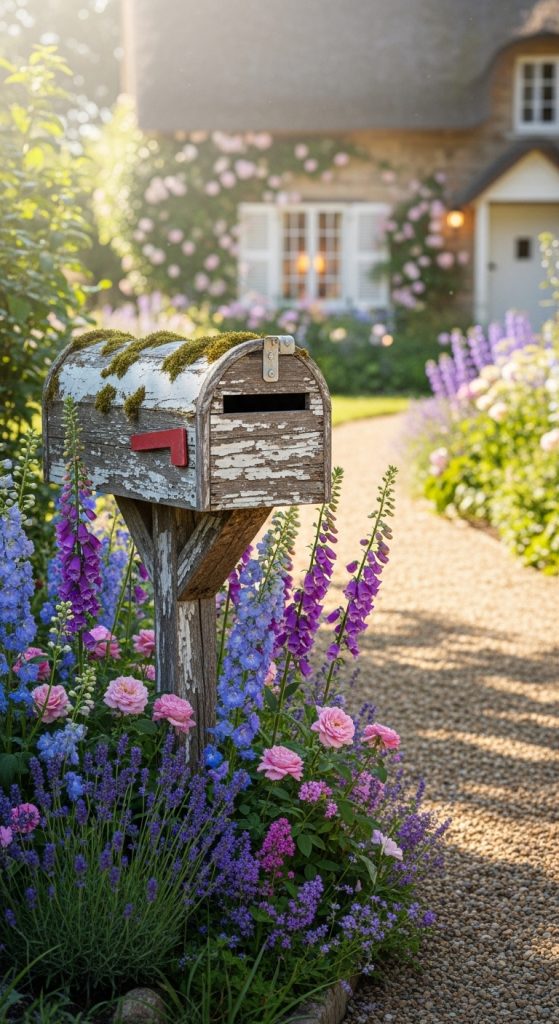
1. Classic Cottage-Style Flower Bed
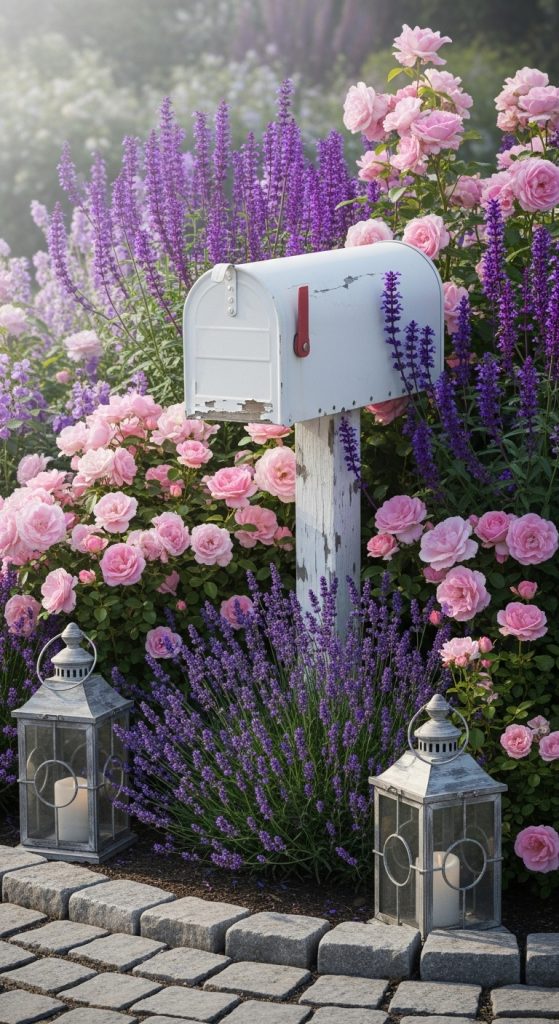
A cottage-inspired mailbox garden exudes charm and a touch of whimsy. This style celebrates natural abundance, with layers of colorful blooms and informal arrangements that appear effortlessly beautiful.
Start with classic cottage perennials like coneflowers, black-eyed Susans, and lavender as your base. These hardy plants bring long-lasting color and texture. Add shasta daisies, catmint, and coreopsis for a layered look that feels lush and inviting.
Surround your mailbox with a curved flower bed rather than a rigid square shape. Use mulch or small stones to define the edge and keep weeds in check. Incorporate a small climbing plant like clematis or morning glory on a simple trellis to give your mailbox a romantic vertical element.
The beauty of a cottage-style bed lies in its slightly wild, unstructured layout — it should feel like nature designed it. Keep maintenance easy by choosing perennials that return each year, ensuring your charming mailbox corner remains colorful through the seasons.

2. Modern Minimalist Mailbox Bed
If your home leans toward contemporary or modern design, a minimalist flower bed can offer sleek sophistication without clutter. Focus on clean lines, symmetry, and simplicity.
Choose a monochromatic color palette — for instance, shades of white, green, and gray. Use plants like white hydrangeas, ornamental grasses, and dusty miller for soft contrast. Incorporate black mulch or white gravel for a polished finish that complements modern architecture.
Instead of a large curved bed, opt for a rectangular or square layout with clear geometric borders using concrete, steel, or stone edging. Add one or two sculptural plants like agave or boxwood for structure.
This minimalist approach is low-maintenance yet visually striking, giving your mailbox a fresh, organized look that aligns with contemporary outdoor aesthetics.
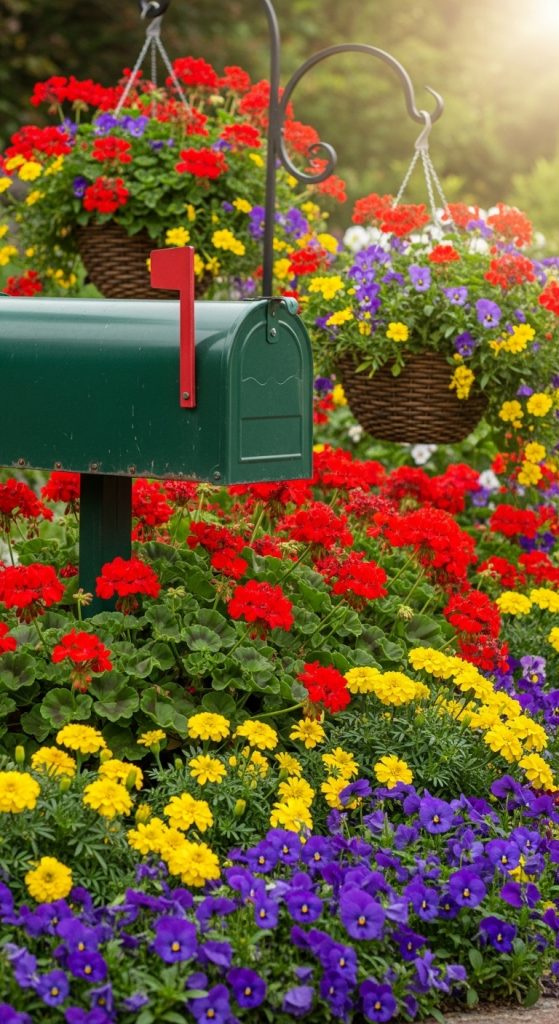
3. Seasonal Color Explosion
For homeowners who love vibrant gardens, a mailbox surrounded by seasonal flowers can offer ever-changing beauty year-round. This design keeps your front yard dynamic and colorful, shifting with the seasons.
In spring, plant tulips, daffodils, and pansies for a cheerful start. In summer, switch to petunias, zinnias, and marigolds for rich, bold tones. During fall, swap in chrysanthemums and ornamental kale, and in winter, use evergreen branches or red-twig dogwood for structure.
Create your flower bed with rich, well-draining soil and a distinct border. Layer shorter blooms near the front and taller ones near the mailbox post.
This rotating approach requires some upkeep but rewards you with a constantly refreshed landscape. Consider adding a solar-powered light near the mailbox to illuminate your vibrant flowers in the evening for extra curbside charm.

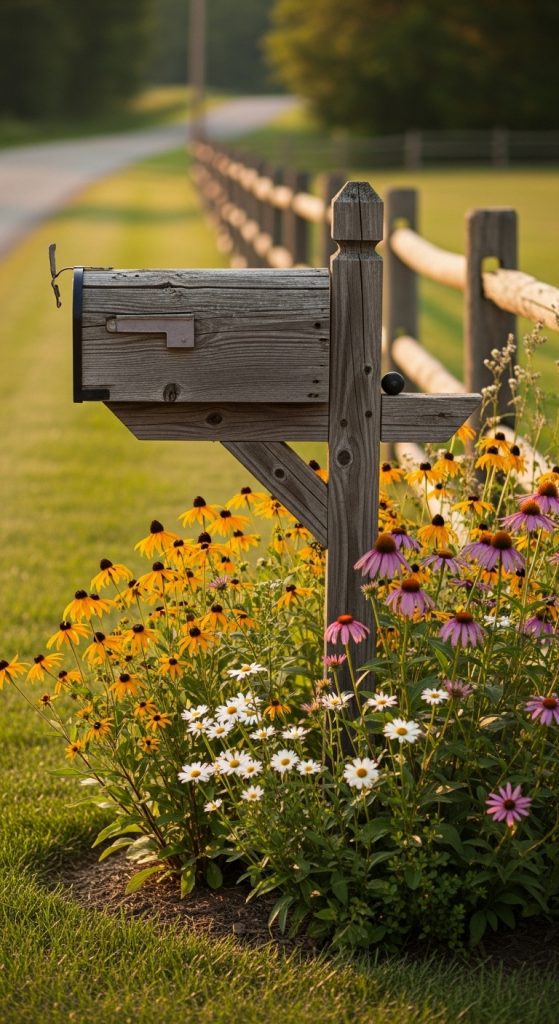
4. Rustic Wildflower Meadow
For a relaxed, natural aesthetic, a wildflower-inspired mailbox bed can create a breathtaking focal point with minimal maintenance. This design mimics the beauty of open meadows — organic, colorful, and buzzing with pollinators.
Choose a mix of native wildflowers such as coneflower, coreopsis, blanket flower, and bee balm. Add milkweed and butterfly weed to attract butterflies and bees. Allow the plants to grow freely, creating a vibrant, layered display.
Instead of a formal edge, define the bed subtly with natural stones or weathered logs. You can even add a small birdbath or decorative rock for texture.
This rustic approach pairs beautifully with wooden or vintage-style mailboxes. It feels authentic, eco-friendly, and timeless — a small but powerful nod to natural landscaping.
5. Coastal-Inspired Mailbox Garden
If you live near the coast or want to bring a breezy seaside vibe to your home, design a flower bed that captures the spirit of the ocean.
Use grasses, succulents, and salt-tolerant plants that can withstand sun, wind, and sandy soil. Great options include sea lavender, blue fescue, sedum, and Russian sage. Add pops of white or blue flowers such as shasta daisies or agapanthus for a nautical palette.
To complete the look, edge your flower bed with driftwood, seashells, or crushed oyster shells. A pale gravel groundcover mimics the look of a beach path and prevents weeds.
This design works beautifully with white, gray, or navy-blue mailboxes. The coastal mailbox garden is effortlessly stylish, low-maintenance, and perfect for anyone who loves a relaxed, airy aesthetic.
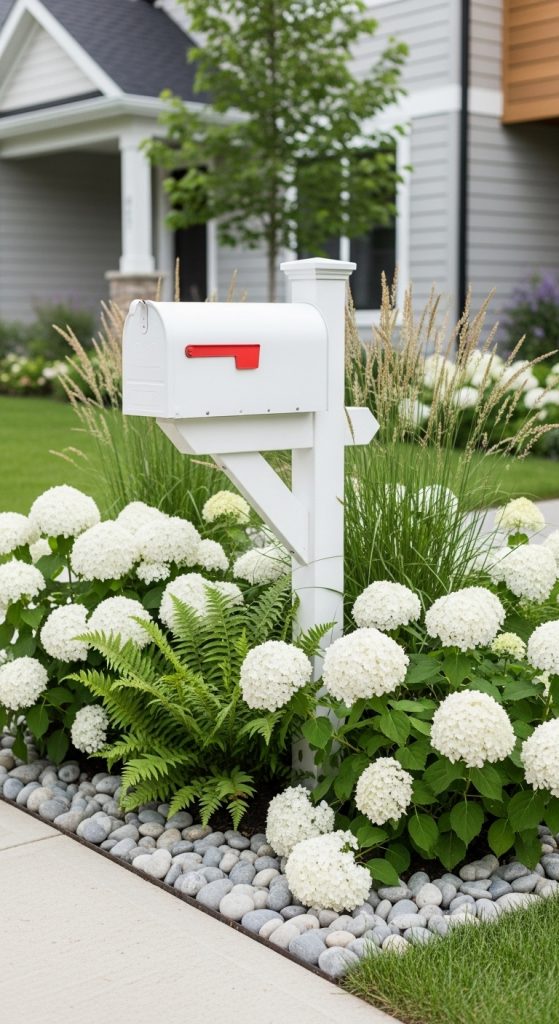
6. Symmetrical Floral Arrangement
A symmetrical flower bed provides visual balance and timeless elegance, particularly suited for traditional homes or landscapes with defined structure.
Design two identical planting areas on each side of the mailbox, mirroring the same types and colors of flowers. Use low-growing plants in the front and taller varieties behind or beside the mailbox.
Start with boxwoods or small evergreen shrubs as the framework, then add roses, salvia, or geraniums for seasonal color. Border the bed with brick, pavers, or decorative edging stones for a classic look.
This design thrives on order and repetition — it’s perfect for homeowners who love a neat, refined front yard. Maintaining symmetry is key, so prune regularly and replace any uneven growth to keep the design crisp and balanced.
7. Drought-Tolerant Mailbox Bed
If you live in a dry or hot climate, a drought-tolerant mailbox garden offers beauty without the heavy watering schedule. This eco-friendly option combines functionality and sustainability while still providing color and charm.
Select hardy, drought-resistant plants such as lavender, sage, lantana, succulents, and yarrow. Combine different heights and textures for visual appeal — tall ornamental grasses, mid-height flowering plants, and low ground covers like sedum or thyme.
Use gravel mulch or river rock instead of bark mulch for improved drainage and a modern finish. The stones help retain moisture and add texture to the landscape.
For color contrast, choose plants that bloom in bold shades — purple lavender, yellow coreopsis, or red blanket flower. This xeriscape-inspired mailbox garden offers long-term beauty with minimal maintenance, perfect for sustainability-minded homeowners.
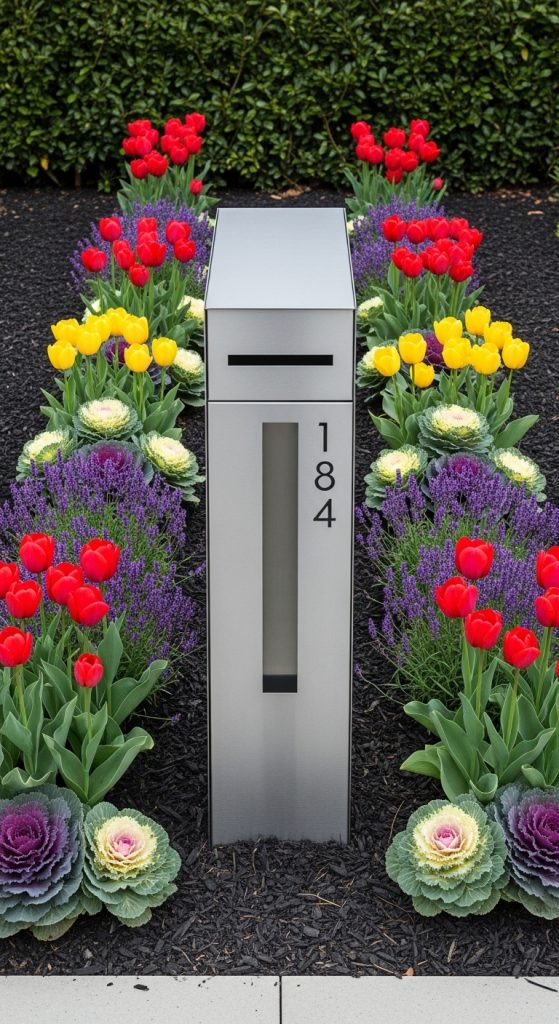
8. Circular Flower Bed Around the Mailbox
A circular flower bed surrounding the mailbox creates a balanced, focal-point design that draws attention from all directions. It’s both symmetrical and space-efficient, ideal for front yards of any size.
Start by marking a circular shape around the mailbox post using a garden hose or rope. Create a defined edge with stone, brick, or metal edging.
In the center (closest to the mailbox), plant taller blooms like hollyhocks, salvia, or daylilies. Around them, layer mid-sized plants like zinnias or cosmos, followed by shorter border flowers like alyssum, marigolds, or begonias.
To maintain structure, vary flower colors in a harmonious palette — for example, pink, white, and purple tones for a romantic look, or red, orange, and yellow for a bolder aesthetic.
Finish with a fresh layer of mulch to keep weeds at bay and retain moisture. This circular arrangement looks polished, tidy, and professional year-round.

9. Rock Border Flower Bed with Mixed Blooms
Combining rock features with fresh flowers creates a striking, balanced design that blends natural ruggedness with soft floral beauty. Rocks serve both functional and aesthetic purposes — they define the bed, improve drainage, and add contrast.
Choose smooth river stones, flagstones, or large decorative rocks to create the border. Within the bed, plant a mixture of perennials and annuals like salvia, daisies, petunias, and hostas.
Add height variation using ornamental grasses or spike plants for an eye-catching layered effect. Complement with ground covers like creeping thyme or sweet alyssum to fill in gaps.
A rock-bordered flower bed is durable and low-maintenance, with an earthy elegance that complements both modern and traditional homes. Over time, moss or creeping plants can naturally soften the stones, giving the bed a lived-in charm.

10. Mailbox Planter Combo
For those who prefer a bold, creative approach, integrate a built-in planter around your mailbox post. This combination merges functionality with beauty, allowing flowers to grow directly from the structure.
You can purchase a mailbox post with a built-in planter box or build one yourself using wood, metal, or stone. Fill the planter with seasonal flowers, cascading vines, or succulents for year-round color.
For a classic look, use petunias, trailing ivy, or geraniums that drape gracefully over the edges. For a modern touch, choose succulents, grasses, or monochromatic blooms in white or lavender tones.
Keep the design balanced — avoid overstuffing the planter, and select plants that stay proportional to the mailbox’s height. Add mulch to retain moisture and keep roots cool during warm months.
This idea offers flexibility, creativity, and maximum curb appeal. With seasonal swaps, you can keep your mailbox garden looking fresh and on-theme all year long.
Bonus Design and Maintenance Tips
1. Choose the Right Plants
- Sunlight matters: Most mailbox areas are exposed to full sun. Choose sun-loving plants like marigolds, lavender, or salvia.
- Soil preparation: Mix compost into your soil to improve drainage and promote healthy root growth.
- Height balance: Taller plants should frame the mailbox, while shorter ones fill the front.
2. Define the Edges
Use bricks, stones, or steel edging to keep mulch and soil tidy. Edging adds structure and prevents grass from invading your flower bed.
3. Add Mulch or Decorative Gravel
Mulch retains moisture and keeps weeds under control. Gravel, on the other hand, adds a clean, modern touch and improves drainage — especially important for heavy clay soils.
4. Lighting Enhancements
Solar-powered path lights or a small spotlight can highlight your mailbox and flowers at night. Lighting also adds safety and a welcoming ambiance.
5. Seasonal Upkeep
Prune dead flowers, remove weeds regularly, and replace annuals seasonally. A few minutes of monthly maintenance keeps your flower bed lush and beautiful year-round.
6. Personal Touches
Incorporate decorative elements like a small garden sign, birdhouse, or miniature fence to reflect your personality. Subtle details make the space feel thoughtfully designed.
Conclusion
Your mailbox may seem like a small feature, but with the right flower bed design, it can become one of your home’s most eye-catching highlights. Whether you prefer a cottage garden bursting with color, a modern minimalist layout, or a rustic natural design, these 10 fresh flower bed and mailbox ideas offer inspiration for every style and skill level.
Each concept combines beauty, practicality, and curb appeal — transforming a simple mailbox into a charming garden accent. With the right mix of plants, textures, and creative design, your mailbox area can enhance the entire aesthetic of your home’s exterior.
By choosing hardy plants, maintaining clean edges, and incorporating personal touches, you can create a landscape feature that blooms with color and character season after season.