10 Kids Bedroom Inspiration Ideas for Boys and Girls
Designing a kids’ bedroom is one of the most rewarding creative projects for any parent or decorator. It’s more than just a room—it’s a space where imagination blossoms, dreams come alive, and countless memories are made. Whether you’re decorating for a curious little boy, a creative girl, or a shared sibling room, a well-designed space should balance functionality, comfort, and creativity.
The challenge lies in blending fun aesthetics with practical elements that can grow with your child. Colors, furniture, wall decor, and storage all play important roles in creating an inspiring environment. From whimsical themes to timeless layouts, kids’ bedrooms can reflect their personalities while staying versatile enough for the years ahead.
In this article, we’ll explore 10 inspiring kids’ bedroom ideas for both boys and girls—covering everything from color schemes and furniture layouts to creative decor themes that bring joy, comfort, and imagination into your child’s space.
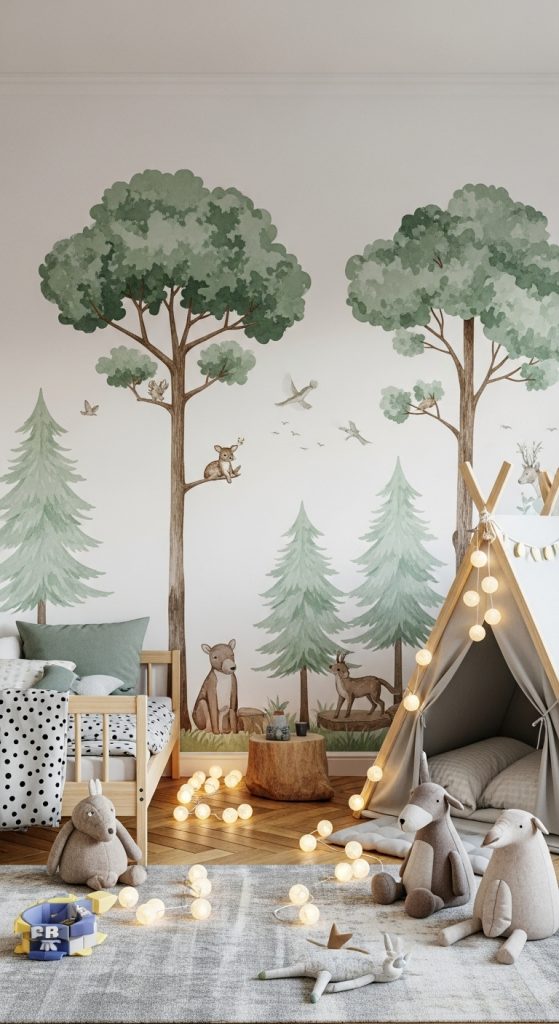
1. Whimsical Forest Adventure Theme
Concept:
Turn your child’s room into an enchanting forest with nature-inspired elements, animal motifs, and soft earthy tones.
Design Tips:
- Paint the walls in muted greens and browns to mimic a woodland vibe.
- Add decals of trees, foxes, and birds for a playful touch.
- Use bedding with forest patterns or leaf prints.
- Include a cozy tent or teepee for storytelling and pretend play.
Why It Works:
This theme stimulates imagination while keeping the room gender-neutral and calming. It’s perfect for young adventurers who love nature and animals.
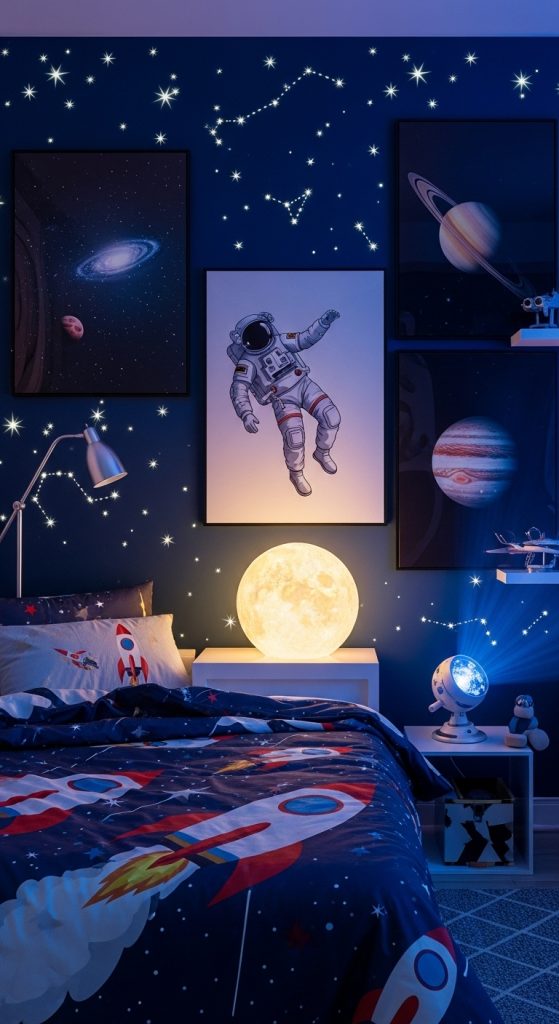
2. Space Explorer Bedroom
Concept:
For curious little dreamers who look to the stars, a space-themed bedroom can ignite creativity and a sense of wonder.
Design Tips:
- Use navy blue or dark gray walls with glow-in-the-dark stars.
- Hang planets, rockets, and astronaut wall art.
- Add soft lighting shaped like moons or stars.
- Include storage boxes shaped like rockets for toys and books.
Why It Works:
A space theme is educational and visually exciting, encouraging kids to think big and dream of adventures beyond Earth.
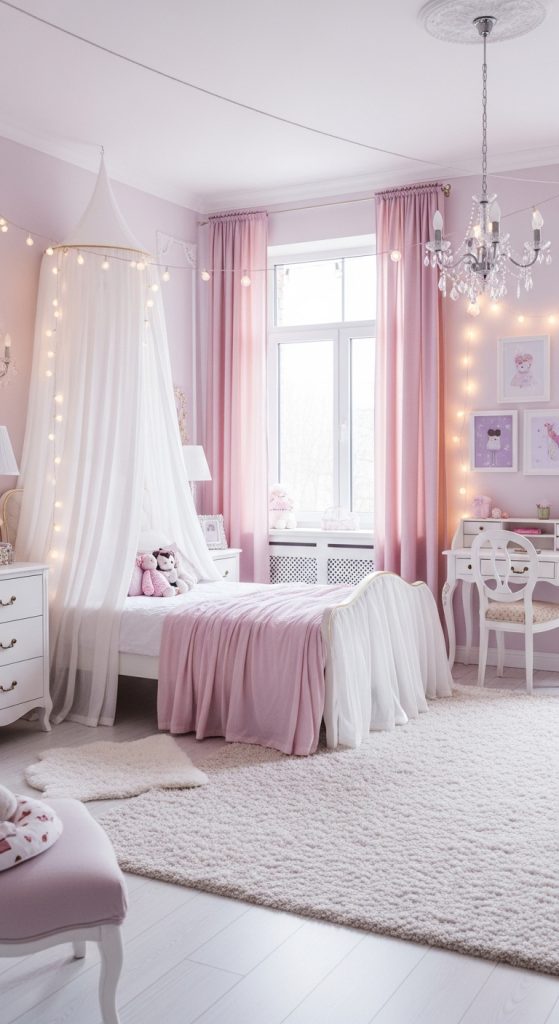
3. Soft Pastel Princess Room
Concept:
A timeless design for girls who adore elegance and fairy-tale charm. This room mixes soft colors with refined accents.
Design Tips:
- Choose pastel shades like blush pink, lavender, or mint.
- Add a canopy bed for a royal touch.
- Use gold or white accents for furniture.
- Incorporate mirrors, light fabrics, and floral patterns.
Why It Works:
It creates a dreamy atmosphere where little girls feel special, yet the color palette remains soft enough to adapt as they grow.
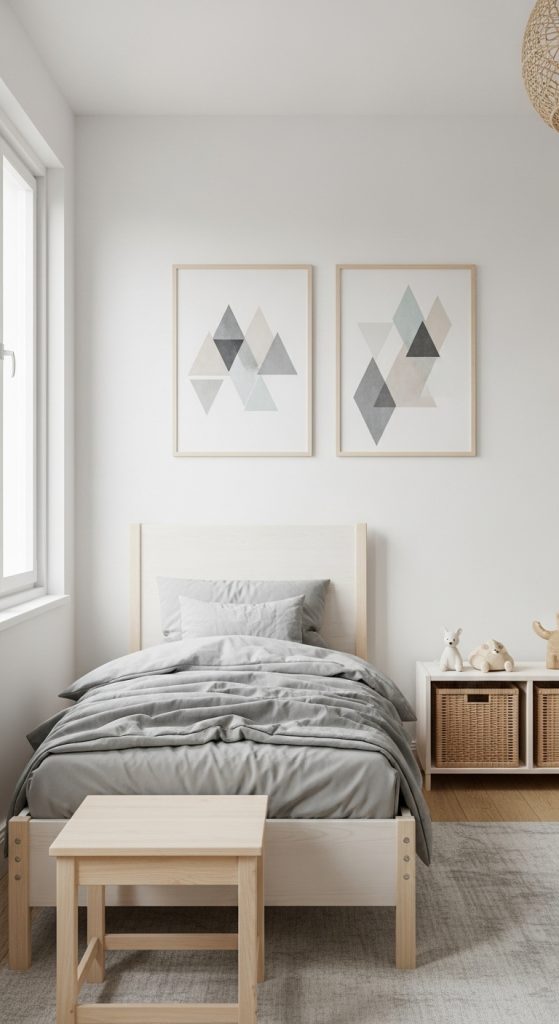
4. Modern Minimalist Bedroom
Concept:
Perfect for older kids or those who prefer simplicity, this style embraces clean lines, neutral colors, and clutter-free design.
Design Tips:
- Stick to whites, grays, and wood tones.
- Use multifunctional furniture like bunk beds with storage.
- Add pops of color through bedding or wall art.
- Keep shelves and decor minimal but purposeful.
Why It Works:
A minimalist room feels calm and organized, allowing kids to focus and relax while still showcasing their personality through small decor choices.
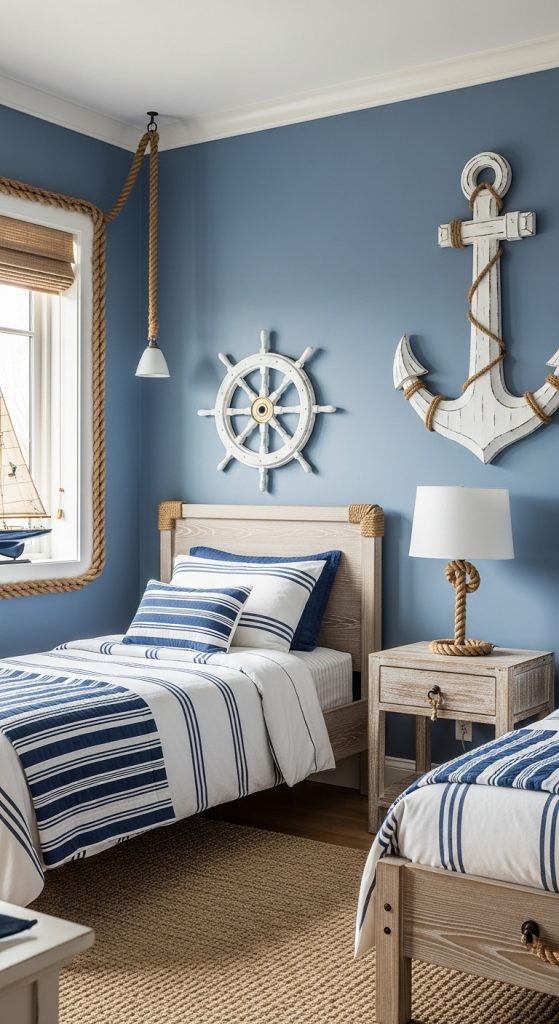
5. Nautical Coastal Bedroom
Concept:
Bring the calm and adventure of the seaside into your child’s room with a nautical-inspired design.
Design Tips:
- Use shades of blue, white, and sandy beige.
- Decorate with ship wheels, anchors, and sailboat artwork.
- Add rope details to curtain ties or lamps.
- Use striped bedding to enhance the nautical theme.
Why It Works:
This look is timeless and gender-neutral, evoking both adventure and serenity—great for boys and girls who love the ocean.
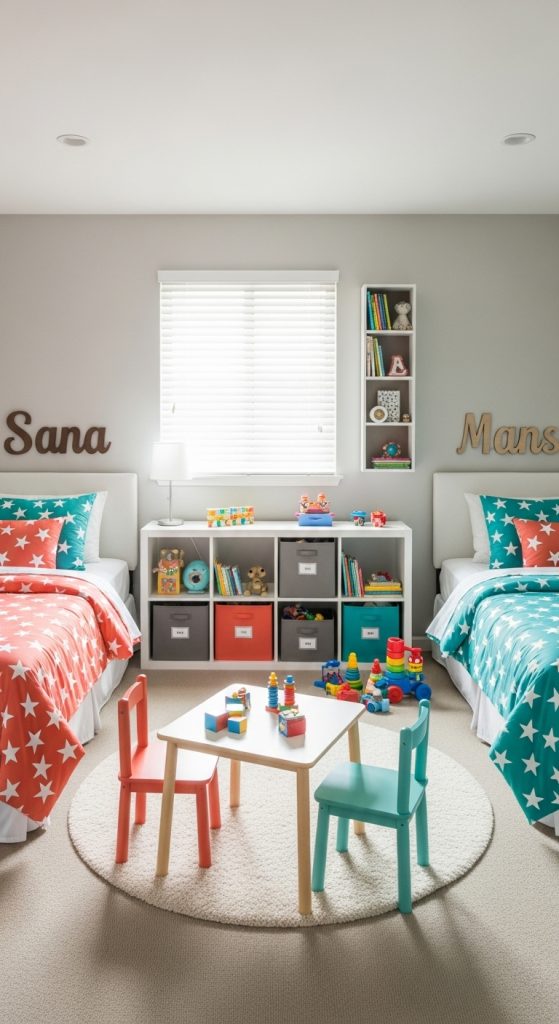
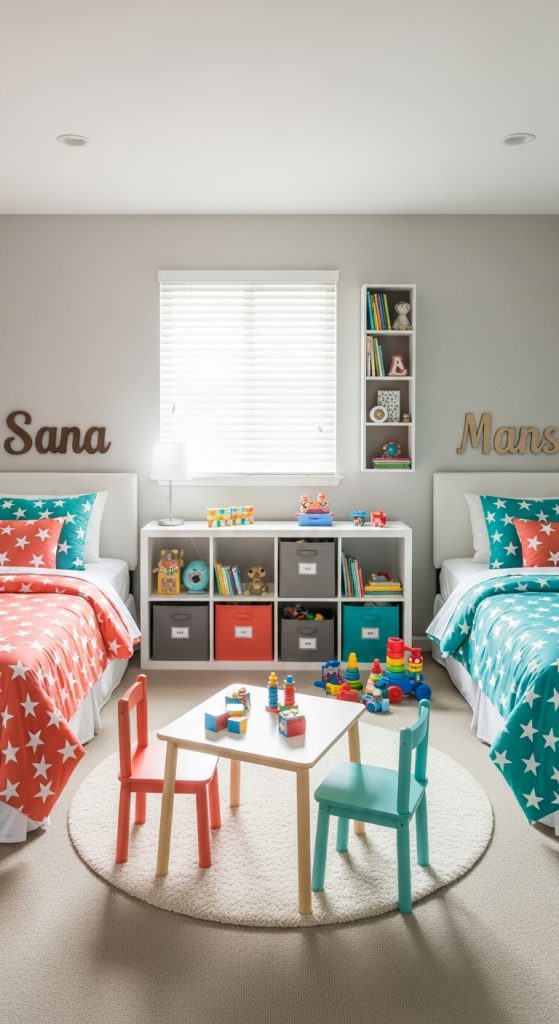
6. Shared Sibling Room Harmony
Concept:
When space is limited, creating a shared bedroom that works for both genders requires thoughtful design.
Design Tips:
- Choose a neutral color scheme like soft gray, white, or beige.
- Use accent colors that reflect each child’s personality—like coral for one side, teal for the other.
- Include personalized decor on each side (e.g., name plaques or posters).
- Use bunk beds or twin beds with a central rug to divide yet unite the space.
Why It Works:
It allows siblings to share a cohesive, functional room while maintaining individuality through small decor details.
7. Creative Art and Study Zone
Concept:
For budding artists and learners, dedicate one corner of the room to creativity and concentration.
Design Tips:
- Set up a small desk with art supplies, books, and organizers.
- Use a chalkboard or whiteboard wall for doodling and practicing letters.
- Add bright lighting and comfortable seating.
- Decorate with their artwork in colorful frames.
Why It Works:
Encouraging creativity and learning at home helps build confidence and organization skills while keeping their space functional.
8. Vintage-Inspired Bedroom
Concept:
Add timeless charm with a vintage aesthetic—mixing nostalgic patterns, soft colors, and rustic furniture.
Design Tips:
- Use antique-style furniture in white or pastel hues.
- Hang lace curtains and add floral wallpaper.
- Decorate with classic toys like wooden blocks or stuffed animals.
- Include a cozy reading chair or trunk for toys.
Why It Works:
This style grows gracefully with your child and feels cozy and elegant without overwhelming the space.
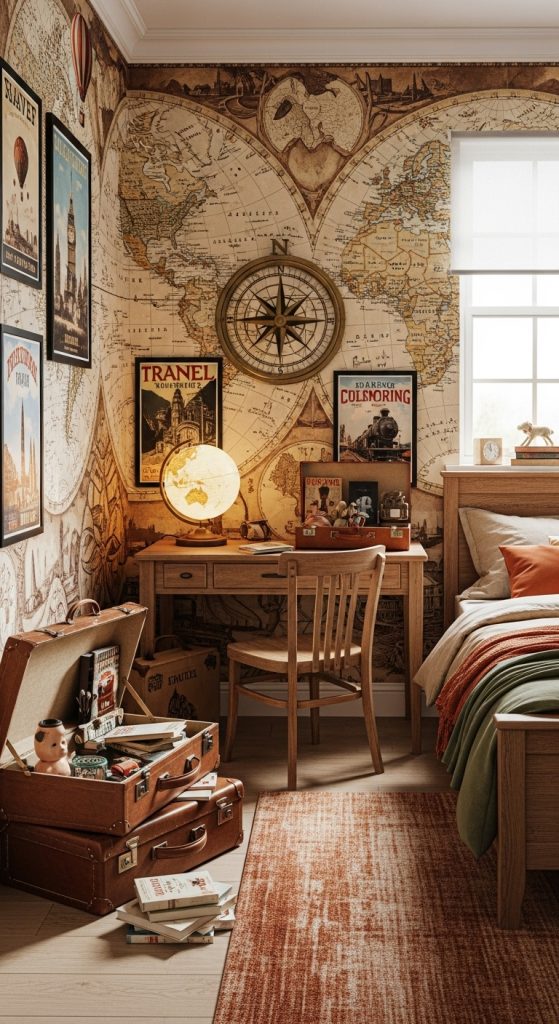
9. Adventure & Travel Theme
Concept:
For kids fascinated by the world, a travel-inspired bedroom can be both fun and educational.
Design Tips:
- Use world map wallpaper or decals.
- Add vintage suitcases as storage boxes.
- Display globes, compasses, and travel souvenirs.
- Incorporate earthy tones like tan, blue, and green.
Why It Works:
It encourages curiosity about geography and cultures while providing a sophisticated design suitable for both boys and girls.
10. Playful Color Pop Bedroom
Concept:
Vibrant colors and playful accents make this design ideal for energetic kids who love fun and creativity.
Design Tips:
- Choose bright color combinations like yellow and teal or pink and orange.
- Add colorful wall art, rugs, and bedding.
- Use modular furniture that adapts as they grow.
- Incorporate chalkboard walls or pegboards for interactive play.
Why It Works:
This concept creates a joyful environment full of personality, perfect for imaginative play and active energy.
Bonus Tips for Designing Kids’ Bedrooms
- Safety First: Avoid sharp edges, ensure furniture is sturdy, and secure wall hangings.
- Think Long-Term: Choose furniture that grows with your child—adjustable beds, neutral storage units, and versatile decor.
- Smart Storage: Use bins, baskets, and under-bed drawers to keep the room organized.
- Lighting Layers: Include a mix of overhead, task, and night lighting.
- Personal Touches: Let your child choose some decor elements—artwork, colors, or bedding—to make the space feel truly theirs.
- Quality Over Quantity: Focus on a few durable pieces rather than excessive decor.
- Add Texture: Use rugs, cushions, and wall hangings to create warmth and visual interest.
- Color Psychology: Blues and greens calm; yellows and oranges energize. Balance accordingly.
- Flexibility: Leave open space for playing, reading, or hobbies.
- Inspiration Board: Create a mood board with your child’s favorite colors, characters, or activities before designing.
Conclusion
Creating the perfect kids’ bedroom involves imagination, functionality, and adaptability. Whether you’re designing a cozy forest retreat, a starry space corner, or a colorful creative zone, each design idea brings its own magic.
For boys and girls alike, the best bedrooms reflect who they are while growing alongside them. With thoughtful choices in color, decor, and furniture, you can transform any room into a space that inspires creativity, comfort, and happiness.
Each of these 10 kids bedroom ideas offers a beautiful starting point to design a room that nurtures both playfulness and peace—a place your child will love coming home to every single day.