

10 Modern Japanese Style Interior Design Ideas
Modern Japanese interior design is admired around the world for its ability to create spaces that feel calm, intentional, and deeply restorative. Rooted in centuries-old traditions yet perfectly suited to contemporary life, Japanese design philosophy emphasizes simplicity, balance, nature, and mindful living. In an age of visual overload and constant stimulation, the appeal of modern Japanese interiors lies in their quiet elegance and emotional clarity.
At its core, Japanese interior design is guided by concepts such as Ma (the beauty of empty space), Wabi-Sabi (appreciation of imperfection and impermanence), and Shizen (naturalness). Modern interpretations of this style adapt these principles to today’s homes by blending traditional elements with clean lines, modern materials, and functional layouts.
Modern Japanese interiors are not cold or empty—they are warm, human, and deeply connected to nature. Every object has a purpose, every space has room to breathe, and every material is chosen for how it feels as much as how it looks. Furniture sits low, colors are muted, textures are natural, and clutter is minimized to create a sense of inner calm.
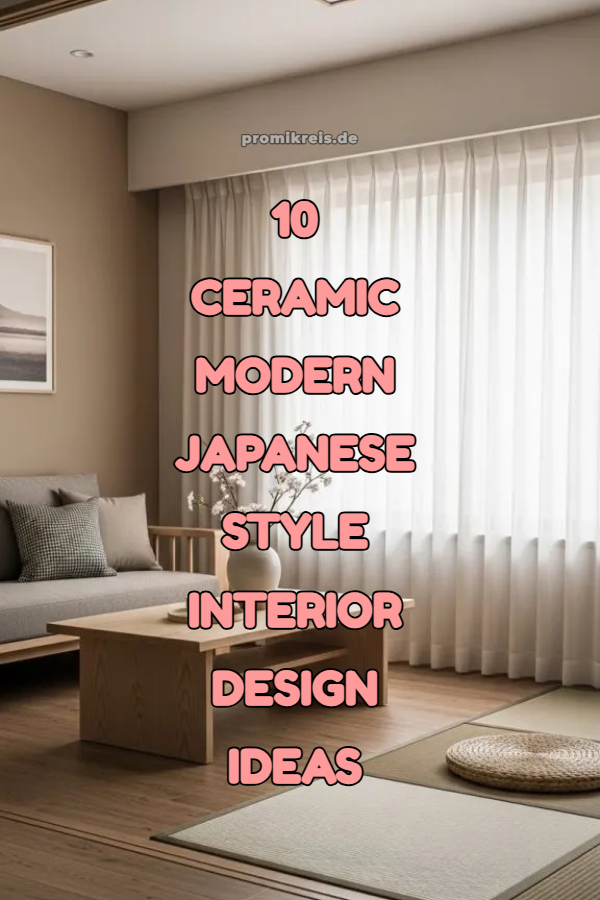
This article explores 10 modern Japanese-style interior design ideas, each explained in depth with guidance on layout, materials, colors, furniture, and atmosphere. Whether applied to an apartment, house, or single room, these ideas will help you create an interior that feels serene, balanced, and timeless.
1. Minimalist Layout with Emphasis on Space (Ma)
One of the most defining aspects of Japanese interior design is the intentional use of space. Known as Ma, this concept values emptiness as much as form. In modern Japanese interiors, rooms are not filled to capacity; instead, space is left open to promote calm and clarity.
Furniture is kept to a minimum, and circulation areas are generous. The absence of clutter allows the eye to rest and the mind to relax. This approach is especially effective in small homes, where openness enhances the sense of scale.
Rather than feeling bare, these spaces feel balanced and thoughtful. The empty areas give meaning to the objects that remain, allowing each piece to stand out with quiet confidence.

2. Natural Materials as the Foundation
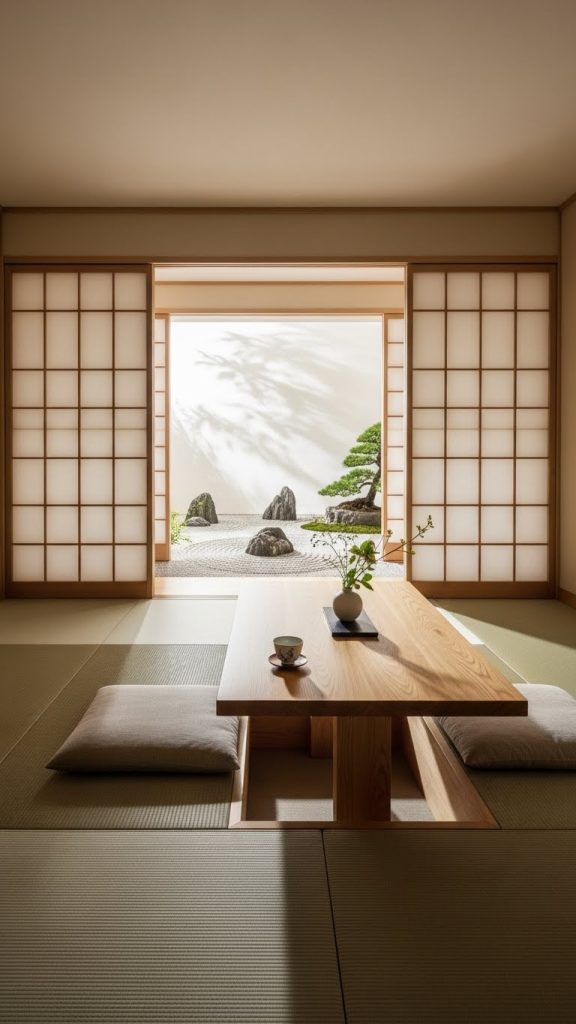
Modern Japanese interiors rely heavily on natural materials to create warmth and authenticity. Wood, stone, bamboo, paper, linen, and clay are essential elements.
Wood is often used in its natural or lightly finished state, allowing the grain and texture to remain visible. Light woods such as cedar, oak, or ash are common, creating a soft and airy atmosphere.
Stone and clay surfaces add grounding weight, while paper and linen soften light and texture. These materials age gracefully, aligning with the Japanese appreciation for imperfection and time.
Using natural materials helps create interiors that feel calm, tactile, and deeply connected to nature.
3. Neutral, Earth-Inspired Color Palette
Color in modern Japanese interiors is subtle and restrained. Instead of bold hues, the palette is inspired by nature—soft whites, warm beiges, muted greys, earthy browns, stone tones, and gentle greens.
These colors create a harmonious environment that supports relaxation and reflection. They also enhance natural light, making spaces feel open and breathable.
Accent colors are used sparingly and often appear in the form of natural elements such as wood, plants, or ceramic objects rather than paint.
This restrained palette reinforces simplicity and allows texture and form to take precedence over color.

4. Low Furniture and Grounded Living
Traditional Japanese interiors are closely connected to the floor, and this influence remains strong in modern designs. Furniture is typically low-profile, creating a grounded and intimate feeling.
Low sofas, platform beds, floor cushions, and low tables emphasize horizontal lines and visual calm. This design approach also makes ceilings feel higher, enhancing spaciousness.
Grounded furniture encourages slower movement and more mindful interaction with the space. It supports a relaxed lifestyle that prioritizes comfort and presence over formality.
5. Sliding Doors and Flexible Partitions
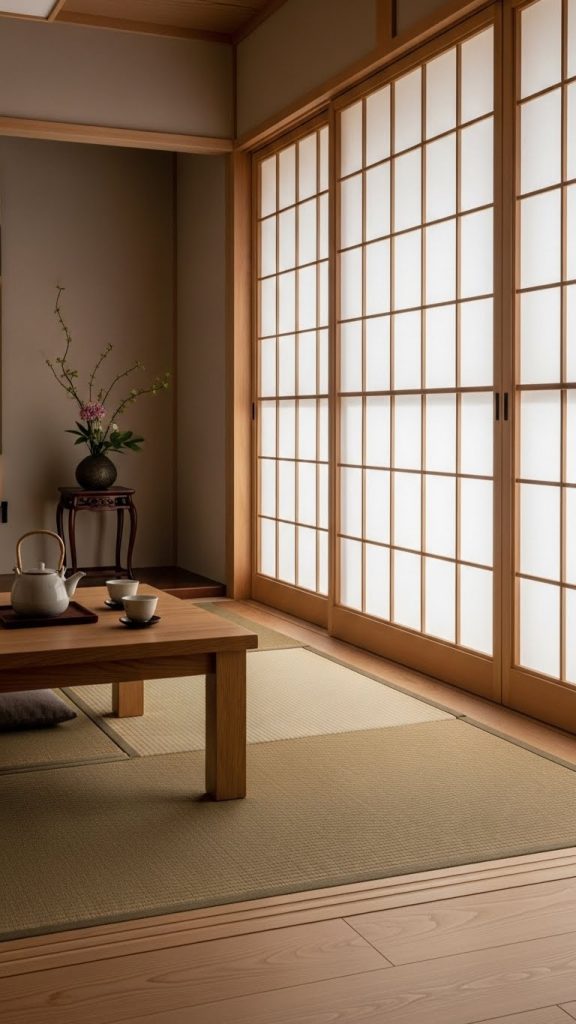
Flexibility is a key feature of Japanese interior design. Sliding doors and partitions—traditionally made from wood and paper—allow spaces to adapt to different needs throughout the day.
In modern interiors, sliding panels may be crafted from wood, frosted glass, or fabric while maintaining the same principle of lightness and adaptability.
These partitions allow rooms to open up or become private as needed without the heaviness of solid walls. They also support natural light flow and visual continuity.
This approach creates homes that are dynamic, practical, and calm.
6. Connection to Nature Through Biophilic Design
Nature is not an accessory in Japanese interiors—it is integral. Modern Japanese design incorporates nature through plants, natural light, outdoor views, and organic forms.
Indoor plants are used sparingly but intentionally, often focusing on sculptural varieties such as bonsai, bamboo, or simple leafy greens. Views to gardens, balconies, or landscapes are treated as extensions of the interior.
Natural light is filtered softly through sheer curtains or screens, creating gentle transitions between indoor and outdoor environments.
This deep connection to nature supports well-being and reinforces the tranquil atmosphere of the home.

7. Clean Lines and Understated Craftsmanship
Modern Japanese interiors celebrate craftsmanship without decoration. Furniture and architectural elements feature clean lines, subtle joinery, and precise proportions.
Details are refined rather than ornate. The beauty lies in balance, symmetry, and material honesty rather than embellishment.
Built-in storage, seamless cabinetry, and flush surfaces reduce visual noise and enhance functionality. This precision creates spaces that feel calm, intentional, and enduring.
The result is an interior that feels quietly luxurious and deeply thoughtful.

8. Soft, Indirect Lighting for Atmosphere
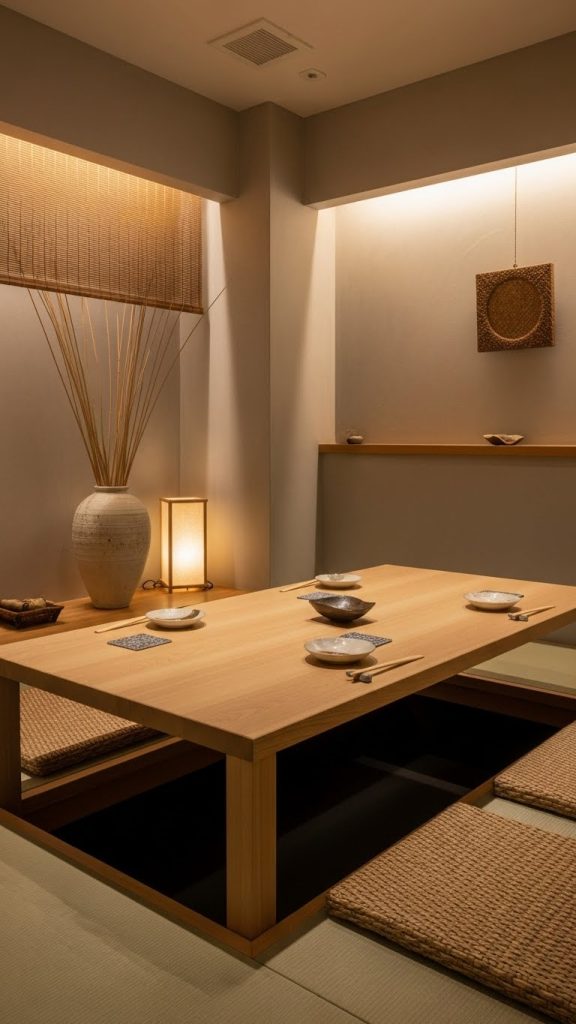
Lighting in Japanese interior design is gentle and atmospheric. Rather than harsh overhead lighting, illumination is layered and indirect.
Floor lamps, table lamps, wall lights, and concealed lighting create soft pools of light and shadow. Warm light tones enhance comfort and intimacy.
Paper or fabric shades diffuse light beautifully, echoing traditional Japanese lanterns. This lighting approach transforms rooms into serene environments, especially in the evening.
Lighting becomes an emotional tool, shaping mood rather than simply providing brightness.
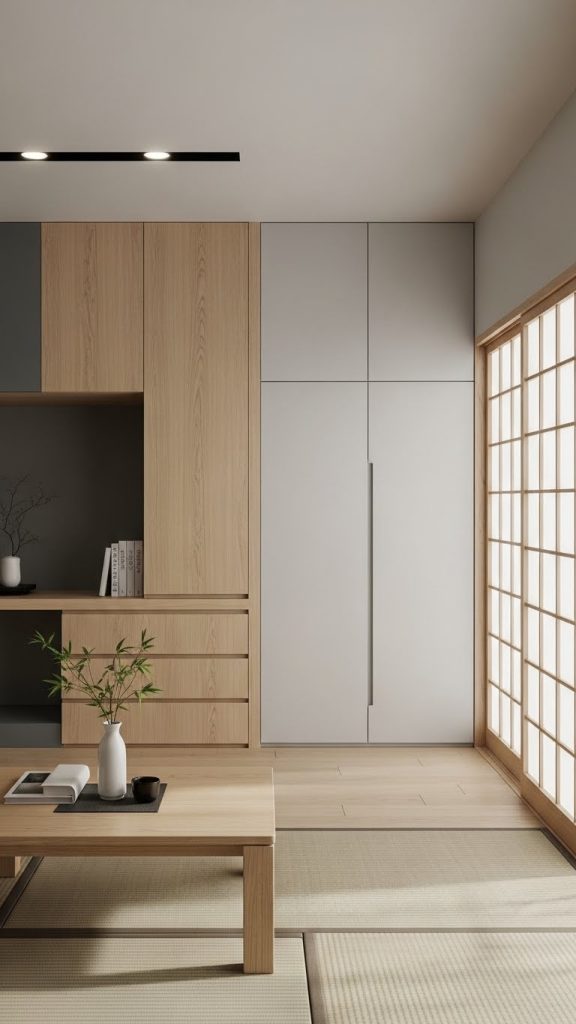
9. Intentional Décor and Meaningful Objects
Décor in modern Japanese interiors is minimal and meaningful. Each object is chosen carefully and given space to be appreciated.
Artwork is often simple and nature-inspired, such as ink drawings, calligraphy, or abstract forms. Decorative objects may include ceramics, stones, or handcrafted items.
Rather than filling shelves, Japanese interiors often display just one or two objects at a time. This encourages mindfulness and appreciation of beauty in simplicity.

The result is an interior that feels personal, calm, and deeply intentional.
10. Calm, Uncluttered Living Philosophy
Above all, modern Japanese interior design reflects a way of life. It prioritizes calm, order, and emotional balance.
Clutter is avoided not through rigidity, but through mindfulness. Storage solutions are discreet, and belongings are curated thoughtfully.
The home supports rest, reflection, and slow living rather than constant activity. Spaces are designed to nurture mental clarity and well-being.
This philosophy transforms the interior into a sanctuary—one that feels peaceful, grounded, and timeless.
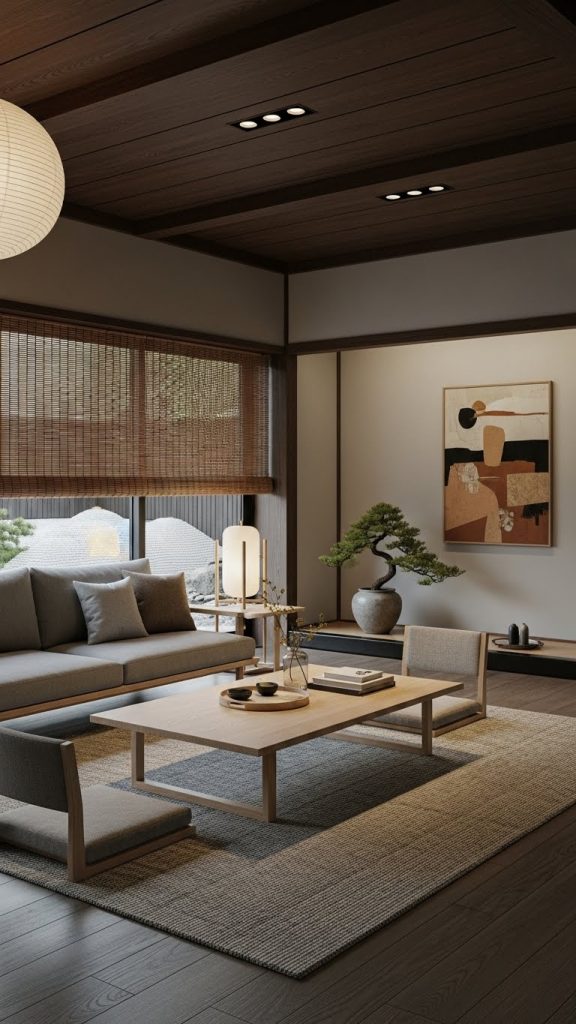
Conclusion
Modern Japanese-style interior design offers a powerful antidote to the chaos of modern life. By embracing simplicity, natural materials, thoughtful space, and deep connection to nature, it creates environments that are both functional and emotionally nourishing.
The ten ideas explored in this guide demonstrate that Japanese design is not about following trends, but about cultivating balance, presence, and intention. Whether applied subtly or fully, this style encourages a more mindful relationship with our homes and ourselves.
Ultimately, modern Japanese interiors remind us that beauty lies not in excess, but in harmony—and that a calm home can profoundly shape a calm life.


