10 Kitchen Designer Ideas
The kitchen has evolved far beyond its traditional role as a place to cook. Today, it is the heart of the home—a space for gathering, working, entertaining, and expressing personal style. Because of this shift, kitchen design has become one of the most important aspects of interior planning. A well-designed kitchen balances beauty with function, efficiency with comfort, and trend awareness with long-term usability.
Kitchen designers approach this space with a deep understanding of workflow, ergonomics, materials, lighting, and lifestyle needs. Every decision—from cabinet layout to countertop material—affects how the kitchen looks and how it performs on a daily basis. A poorly designed kitchen can feel cramped, chaotic, or inefficient, while a thoughtfully designed one supports effortless movement, organization, and enjoyment.
Modern kitchen design also reflects broader lifestyle changes. Open-plan living, work-from-home routines, sustainability awareness, and technological integration have reshaped how kitchens are planned. Designers now think holistically, ensuring kitchens connect seamlessly with dining and living areas while remaining highly functional.
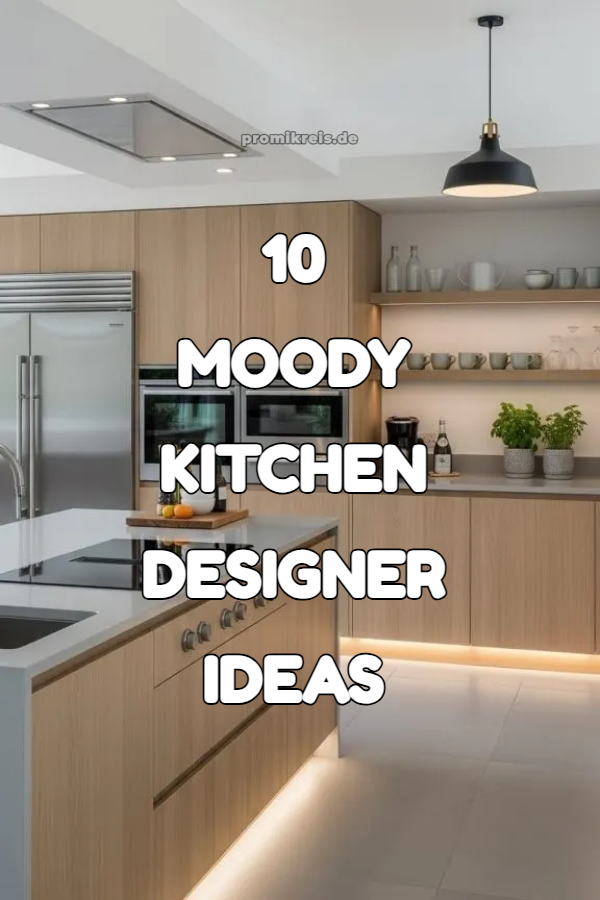
This guide explores 10 kitchen designer ideas, each rooted in professional design principles. These ideas highlight how designers think about layout, materials, storage, lighting, and personalization. Whether you are planning a full renovation or simply seeking inspiration, these concepts will help you understand how great kitchens are designed—and why they work so well.
1. Workflow-Focused Kitchen Layout Design
One of the most fundamental ideas in kitchen design is prioritizing workflow. Professional designers begin every project by analyzing how people move and work within the space.
The classic “work triangle”—connecting the sink, stove, and refrigerator—remains relevant, but modern designers adapt it to suit contemporary lifestyles. In larger kitchens, this may evolve into multiple work zones, such as prep areas, cooking zones, cleaning stations, and beverage centers.
Efficient layouts reduce unnecessary movement and prevent congestion, especially in shared or family kitchens. Designers carefully consider aisle widths, appliance placement, and traffic flow to ensure comfort and safety.
A workflow-focused kitchen feels intuitive. Everything is where you expect it to be, making daily tasks smoother and less stressful.

2. Smart Storage and Custom Cabinetry Solutions
Storage is one of the biggest challenges in kitchen design, and professional designers treat it as a priority rather than an afterthought.
Custom cabinetry allows designers to maximize every inch of space, including corners, vertical walls, and awkward gaps. Deep drawers replace lower cabinets for easier access, while pull-out pantries, spice racks, and trash systems improve organization.
Upper cabinets may extend to the ceiling to increase storage and create a cleaner visual line. Designers often integrate hidden storage for small appliances, keeping countertops clutter-free.
Smart storage solutions ensure that everything has a place, making the kitchen feel calm, organized, and efficient even during busy moments.

3. Balanced Material Selection for Durability and Style
Kitchen designers carefully balance aesthetics with performance when choosing materials. Kitchens endure heat, moisture, spills, and heavy use, so materials must be both beautiful and durable.
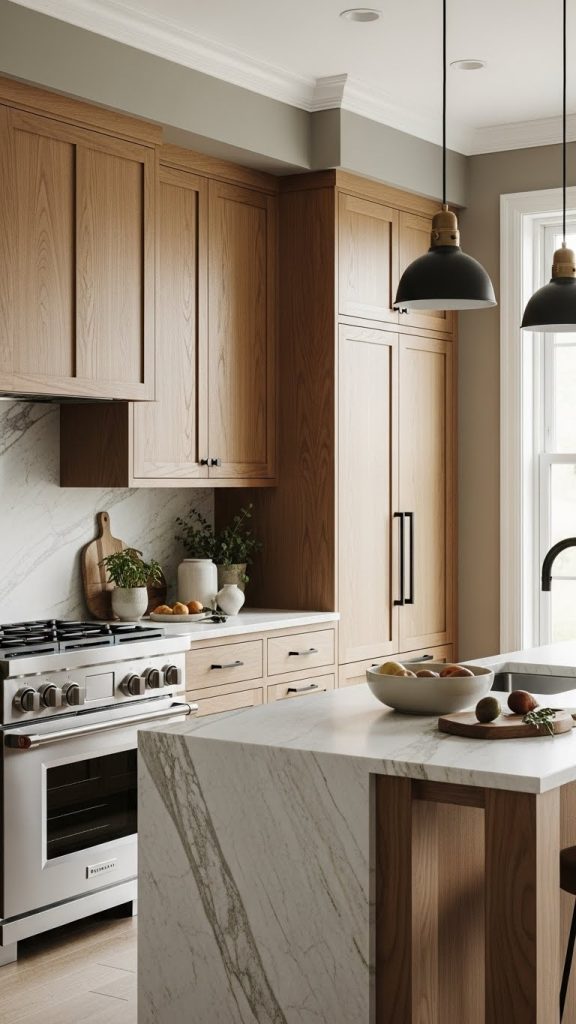
Cabinet finishes are selected based on maintenance needs and longevity. Matte finishes hide fingerprints, while high-gloss finishes reflect light and feel modern. Countertops are chosen for durability and ease of care, with materials like quartz, granite, and porcelain being popular choices.
Designers also consider tactile experience. Warm wood tones soften the space, while stone and metal add structure and contrast. Mixing materials creates visual interest while maintaining balance.
Thoughtful material selection ensures the kitchen remains attractive and functional for years.
4. Lighting as a Core Design Element
Lighting is one of the most powerful tools in kitchen design, and professional designers treat it as a core feature rather than a finishing touch.
A well-designed kitchen includes layered lighting: ambient lighting for overall illumination, task lighting for work areas, and accent lighting to highlight architectural features. Under-cabinet lighting improves visibility on countertops, while pendant lights add personality and focus to islands.
Designers carefully select light color temperature to create a welcoming atmosphere. Warm lighting adds comfort, while cooler tones improve task clarity.
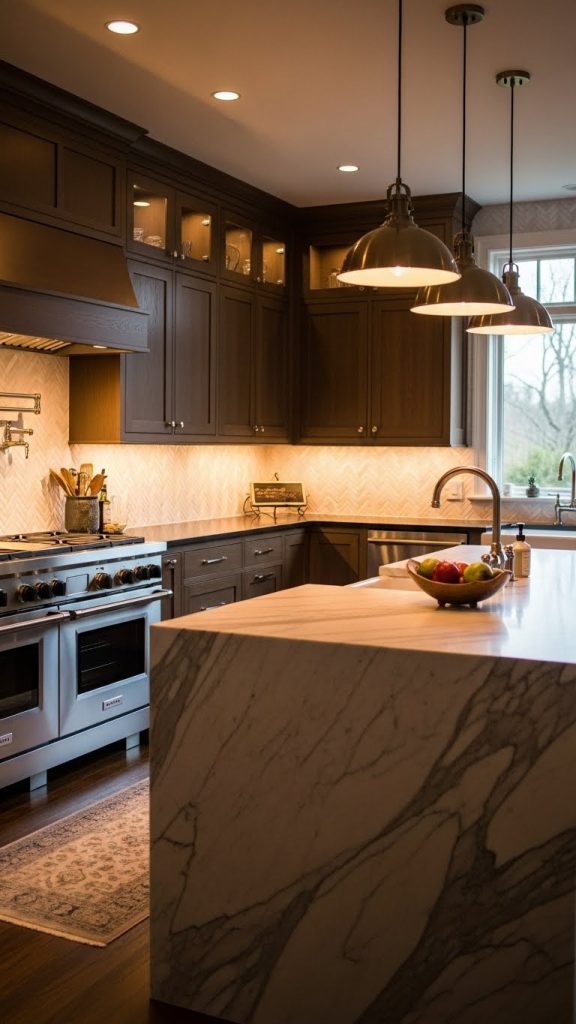
Proper lighting enhances both functionality and mood, transforming the kitchen from purely practical to inviting and expressive.
5. Seamless Integration of Appliances
Modern kitchen designers aim to integrate appliances seamlessly into the overall design. Rather than allowing appliances to dominate the space, they are incorporated in ways that maintain visual harmony.
Built-in ovens, concealed refrigerators, and panel-ready dishwashers help create a cohesive look. Appliance placement is planned for ergonomics, reducing bending, reaching, and crowding.
Designers also consider noise levels, energy efficiency, and long-term reliability when selecting appliances. Smart appliances may be included, but only when they genuinely enhance usability.
Seamless appliance integration results in a kitchen that feels refined, efficient, and thoughtfully planned.

6. Island-Centered Kitchen Design
Kitchen islands have become central to modern kitchen design, and designers use them as multifunctional hubs.
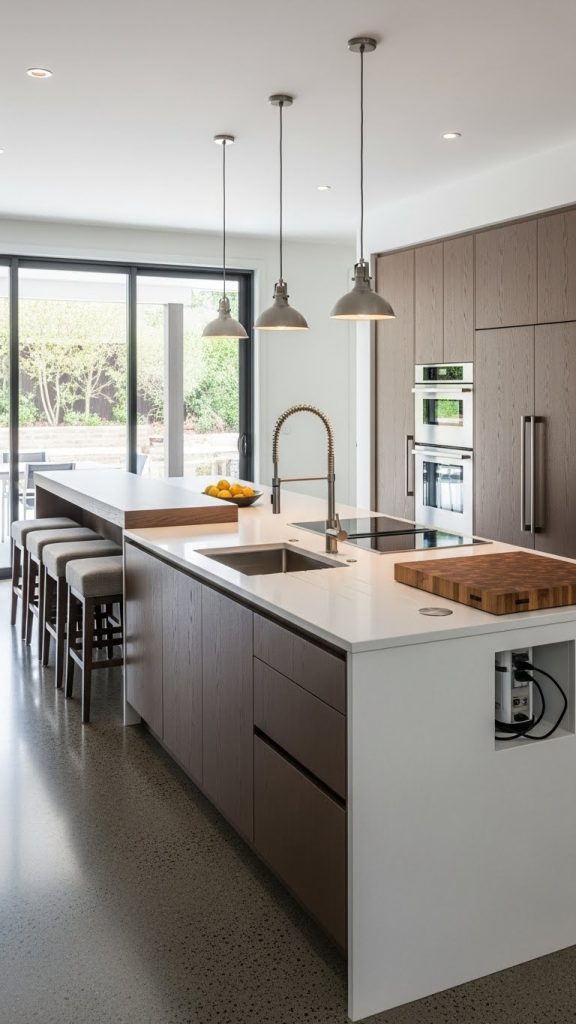
An island may serve as a prep station, dining area, storage unit, and social gathering spot all at once. Designers carefully size and position islands to ensure they enhance flow rather than obstruct it.
Material choices often distinguish the island from surrounding cabinetry, creating visual interest. Designers may incorporate seating, integrated sinks, or cooktops depending on lifestyle needs.
A well-designed island adds versatility, making the kitchen more interactive and adaptable to daily life.
7. Open-Concept Kitchens with Visual Zoning
Open-concept living has transformed kitchen design, and professional designers focus on creating visual boundaries without closing off the space.
Instead of walls, designers use changes in flooring, ceiling treatments, lighting, or cabinetry style to define the kitchen area. Islands and peninsulas act as natural dividers while maintaining openness.
Consistency in materials and color palettes ensures cohesion between the kitchen and adjacent living spaces. At the same time, subtle contrasts help each zone retain its identity.
This approach allows the kitchen to feel connected yet distinct, supporting both functionality and aesthetics.

8. Personalized Design Based on Lifestyle
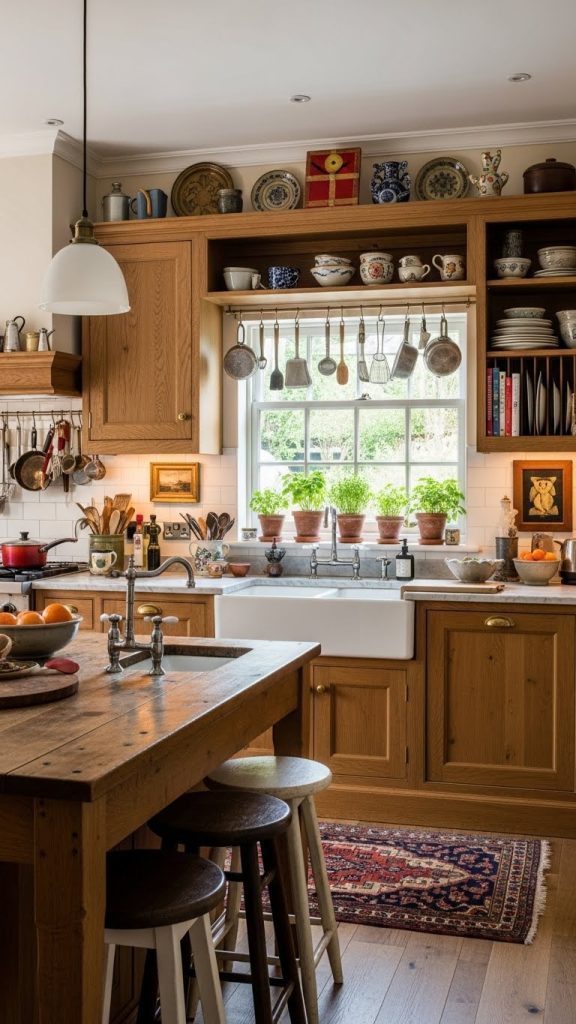
One of the most important ideas kitchen designers embrace is personalization. No two households use their kitchens in the same way, and great design reflects this reality.
Designers ask questions about cooking habits, family size, entertaining frequency, and daily routines. A passionate cook may need extra prep space and specialized storage, while a busy family may prioritize durability and easy cleanup.
Personal touches—such as display shelves, unique finishes, or custom details—add character and meaning. Designers avoid generic solutions in favor of tailored layouts.
A personalized kitchen feels intuitive, comfortable, and uniquely suited to its users.
9. Sustainable and Long-Term Design Thinking
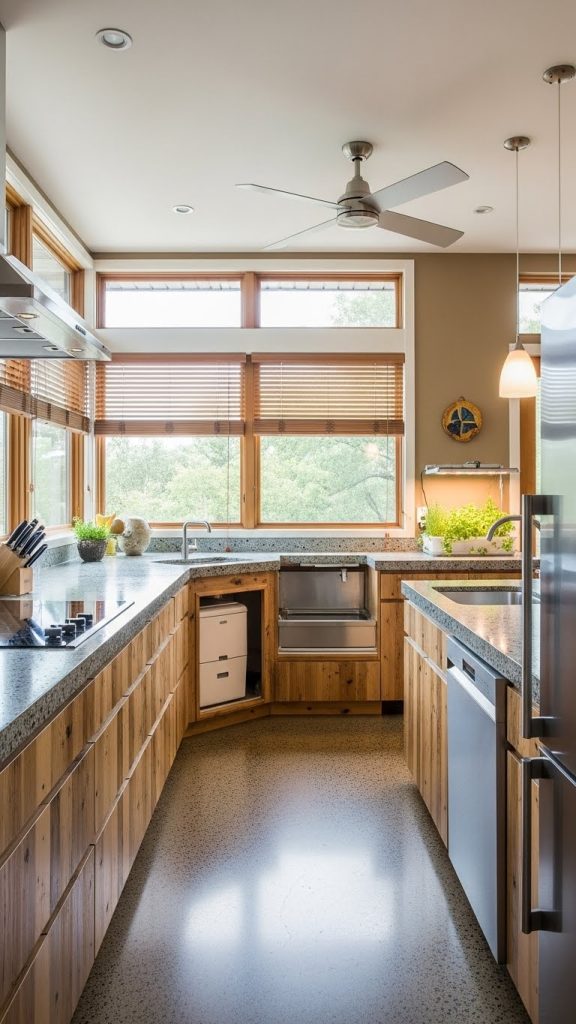
Sustainability is becoming a central consideration in kitchen design. Designers focus on creating kitchens that last, both aesthetically and environmentally.
This includes choosing durable materials, energy-efficient appliances, and responsibly sourced cabinetry. Timeless design choices reduce the need for frequent renovations, minimizing waste.
Designers also consider ventilation, natural light, and waste management systems to improve overall efficiency. Recyclable materials and modular components support long-term adaptability.
A sustainable kitchen is not only environmentally responsible but also cost-effective and enduring.
10. Timeless Design with Future Flexibility
The final idea guiding professional kitchen designers is designing for the future. Trends come and go, but kitchens should remain functional and appealing over time.
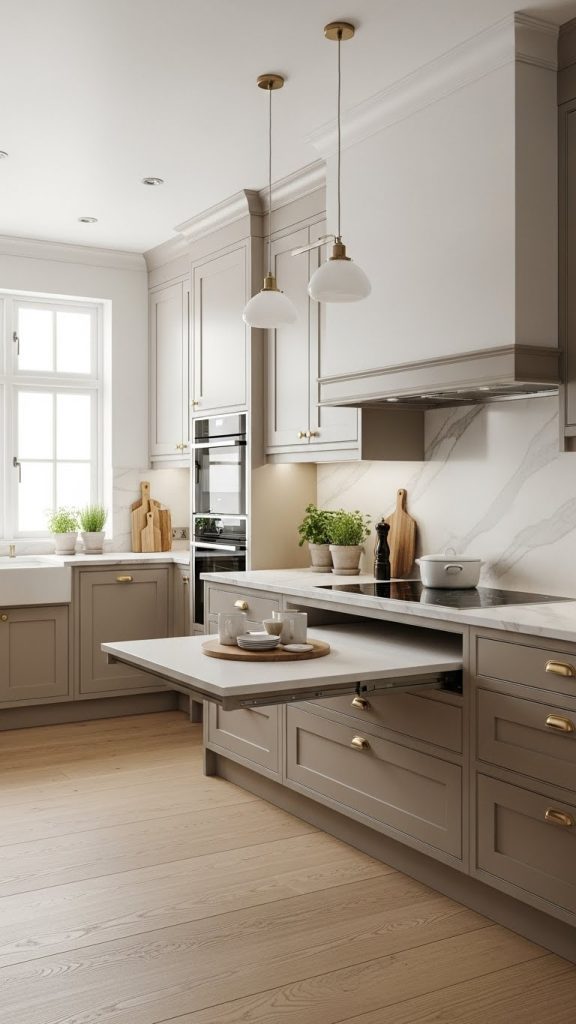
Designers often anchor kitchens with neutral foundations—classic cabinetry styles, balanced proportions, and versatile layouts. Trendier elements are introduced through easily changeable features such as lighting, hardware, or décor.
Flexibility is key. Designers anticipate evolving needs, ensuring the kitchen can adapt to changes in family size, technology, or lifestyle.
A future-ready kitchen feels relevant today and resilient tomorrow, making it a smart long-term investment.
Conclusion
Kitchen design is a complex balance of creativity, functionality, and foresight. Professional designers approach kitchens as living systems—spaces that must support daily routines, emotional comfort, and long-term use. From workflow planning and smart storage to material selection, lighting, personalization, and sustainability, every detail matters.
The 10 kitchen designer ideas explored in this guide reveal how thoughtful design transforms kitchens into efficient, beautiful, and meaningful spaces. Rather than focusing on trends alone, great kitchen design prioritizes how the space is used and how it feels over time.
A well-designed kitchen is not just visually impressive—it enhances daily life. By applying these designer-driven ideas, homeowners can create kitchens that are practical, personal, and timeless, truly earning their place as the heart of the home.