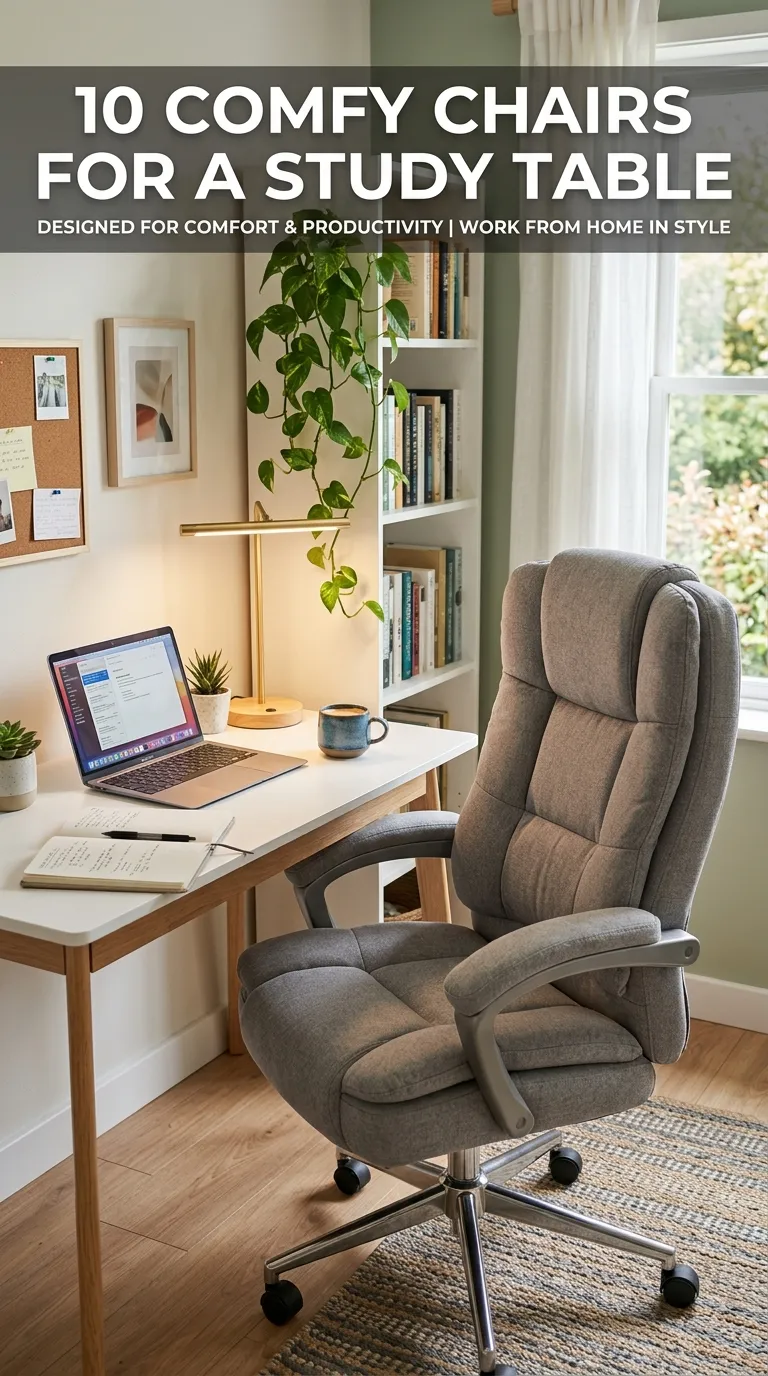
10 Comfy Chairs for a Study Table
A study table is only as effective as the chair paired with it. While desks often receive most of the attention when designing a study or work area, the chair plays a far more critical role in comfort, health, and productivity. Whether used for studying, working, reading, or creative tasks, the right study chair can significantly influence posture, concentration, and overall well-being.
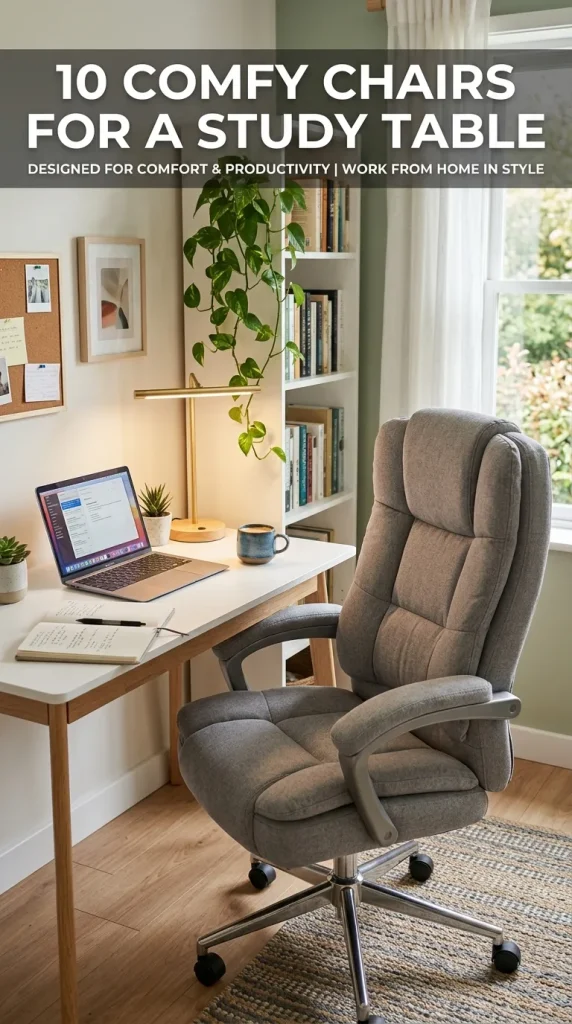
Long hours at a study table can lead to back pain, neck strain, fatigue, and poor focus if seating is inadequate. A comfortable study chair supports the body properly, encourages good posture, and reduces physical discomfort—allowing the mind to stay engaged. Comfort, however, does not mean softness alone. True comfort is a balance of ergonomics, materials, adjustability, and design.
Different people have different needs. A student studying for exams may require strong back support, while a creative professional might prioritize flexibility and movement. Some prefer cushioned chairs for long reading sessions, while others prefer structured seating that promotes alertness.
This article explores 10 comfy chair options for a study table, each explained in detail with attention to ergonomics, materials, design style, and suitability for different users. Whether you are setting up a home study corner, a student workspace, or a long-term work desk, these ideas will help you choose a chair that supports both comfort and productivity.
1. Ergonomic Office Chair with Adjustable Support
An ergonomic office chair is one of the most popular and effective choices for a study table, especially for long hours of use. Designed with the human body in mind, it offers multiple adjustable features that promote healthy posture.
Key features include adjustable seat height, lumbar support, armrests, and back tilt. These adjustments allow the chair to adapt to the user’s body, reducing strain on the spine, shoulders, and neck.
Breathable mesh backs or cushioned upholstery enhance comfort during extended sessions. The structured design keeps the body upright while still allowing movement.
This chair is ideal for students, professionals, and anyone who spends several hours a day at their study table.

2. Cushioned Study Chair with Soft Upholstery
For those who value softness and warmth, a cushioned study chair offers a cozy yet functional seating option. Unlike rigid office chairs, these chairs emphasize padded comfort while still providing basic support.
Upholstery materials such as fabric, velvet, or faux leather create a softer sitting experience. Thick seat cushions and padded backrests reduce pressure points, making long study sessions more comfortable.
These chairs work particularly well in home study setups where aesthetics and comfort are equally important. When paired with a properly sized study table, they can offer both relaxation and focus.
This option suits students and readers who prefer a more lounge-like feel without sacrificing structure.
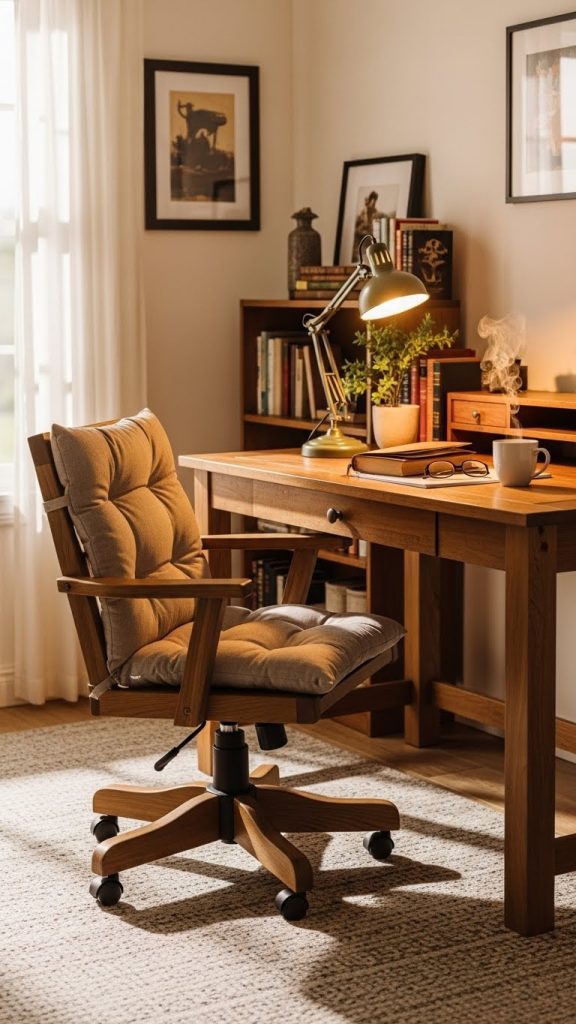
3. Wooden Chair with Ergonomic Contour
Wooden chairs are often associated with stiffness, but well-designed wooden study chairs can be surprisingly comfortable. Ergonomic contouring is key.
Chairs with curved backrests, angled seats, and supportive armrests provide natural alignment for the spine. When paired with a seat cushion, wooden chairs can support long hours of focused work.
Wood adds durability and timeless appeal, making these chairs ideal for traditional or minimalist interiors. They also encourage upright posture, which can enhance alertness during studying.
This style suits those who prefer firm support with a classic aesthetic.
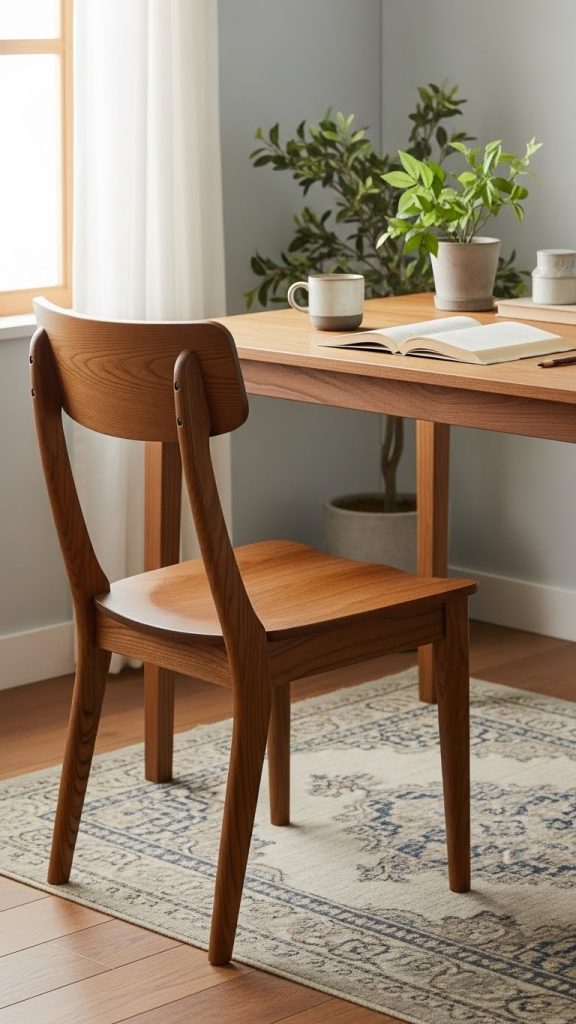
4. Study Chair with Lumbar Cushion Support
Lumbar support is essential for maintaining spinal health during extended sitting. Chairs designed with built-in or removable lumbar cushions focus specifically on supporting the lower back.
These chairs reduce slouching and help maintain the spine’s natural curve. Many models combine lumbar support with padded seats and breathable materials.
This option is ideal for people prone to back discomfort or those who study for long periods without frequent breaks. Proper lumbar support can significantly improve comfort and endurance.
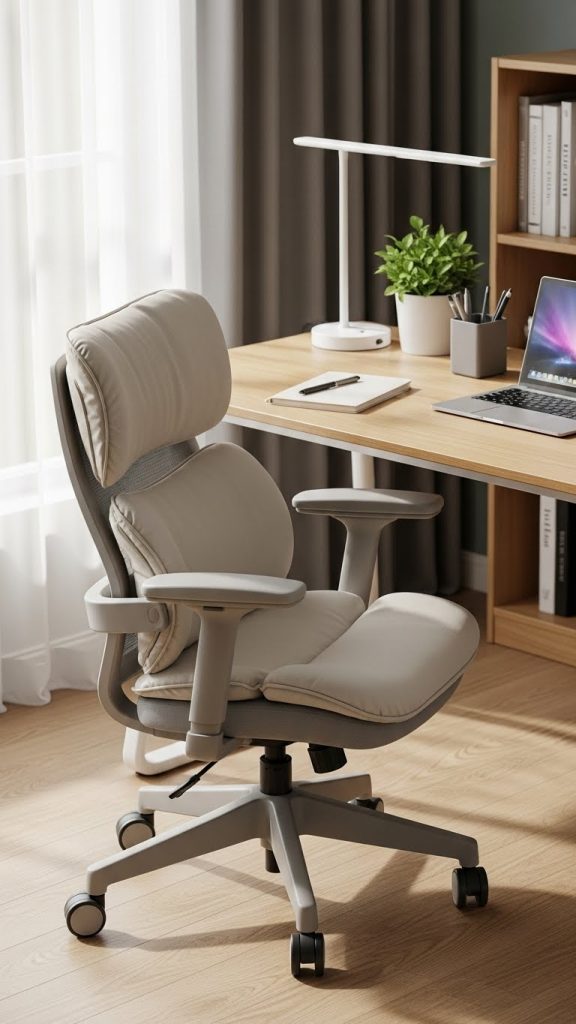
Such chairs balance softness with structure, making them practical and health-focused.
5. Armchair-Style Study Chair for Relaxed Comfort
An armchair-style study chair brings a sense of comfort and stability to the study table. Featuring armrests and a wider seat, this design allows the user to sit comfortably without feeling confined.
The armrests reduce shoulder and wrist strain, especially during writing or typing. Cushioned seats and supportive backs enhance relaxation without compromising posture.
These chairs work best with larger study tables and in spaces where comfort is a priority. They are especially suitable for reading, research, and creative tasks.
This style is perfect for home studies where the workspace blends with living space.

6. Swivel Chair for Flexibility and Movement
A swivel chair adds flexibility and ease of movement to a study setup. The ability to rotate allows users to reach shelves, drawers, or secondary surfaces without strain.
Many swivel chairs combine ergonomic support with padded comfort, making them ideal for multitasking environments. Height adjustability ensures proper alignment with the study table.
Swivel chairs are especially useful in compact study areas where mobility reduces the need for excess movement or repositioning.
This option suits students and professionals who value efficiency and dynamic movement.

7. High-Back Study Chair for Full Support
A high-back study chair extends support from the lower back up to the shoulders and neck. This design is particularly beneficial for long study sessions.
High backs encourage proper posture by supporting the entire spine. Some models include headrests, which reduce neck tension during breaks.
These chairs often combine ergonomic features with plush cushioning, creating a balanced experience of comfort and structure.
This style is ideal for individuals who experience fatigue or stiffness during extended sitting periods.
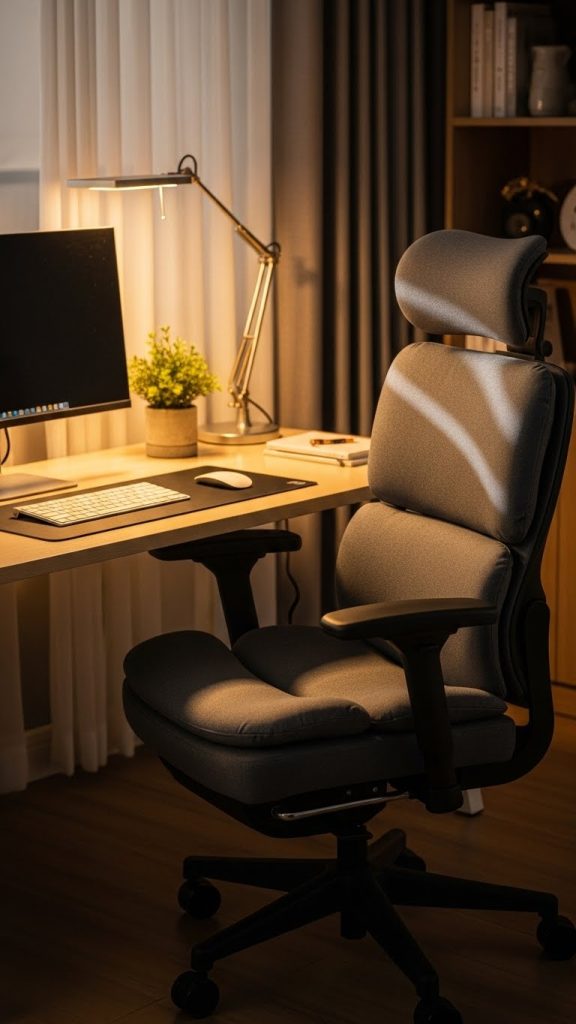
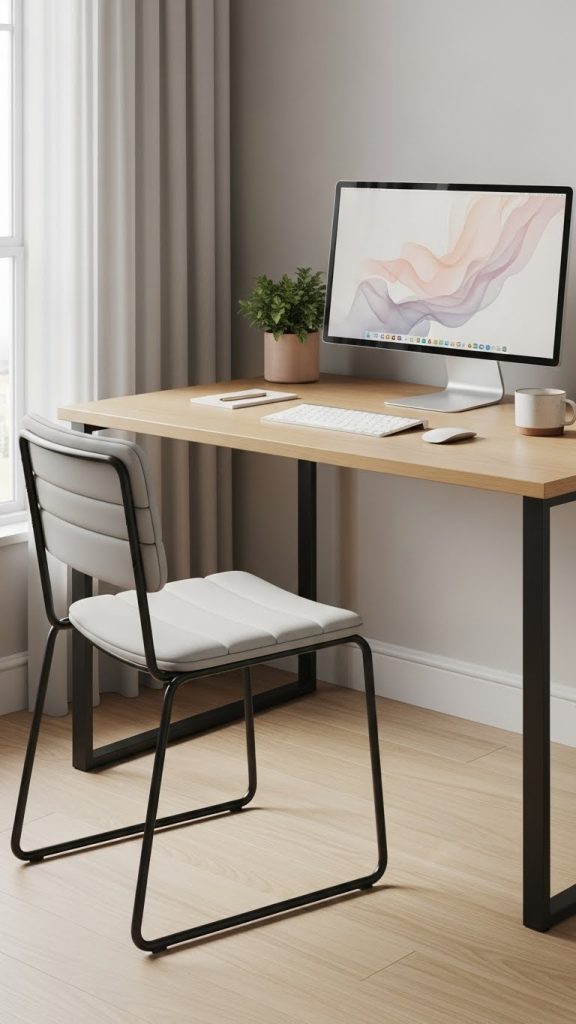
8. Minimalist Study Chair with Balanced Comfort
Minimalist study chairs focus on clean lines and functional comfort. While they may appear simple, good minimalist designs incorporate subtle ergonomics.
These chairs often feature gently curved backs, slim padding, and lightweight frames. They blend seamlessly into modern interiors without overwhelming the space.
Comfort comes from proper proportions rather than excess cushioning. When used with a well-designed study table, they provide adequate support for moderate study sessions.
This option suits users who prefer a clutter-free, visually calm workspace.
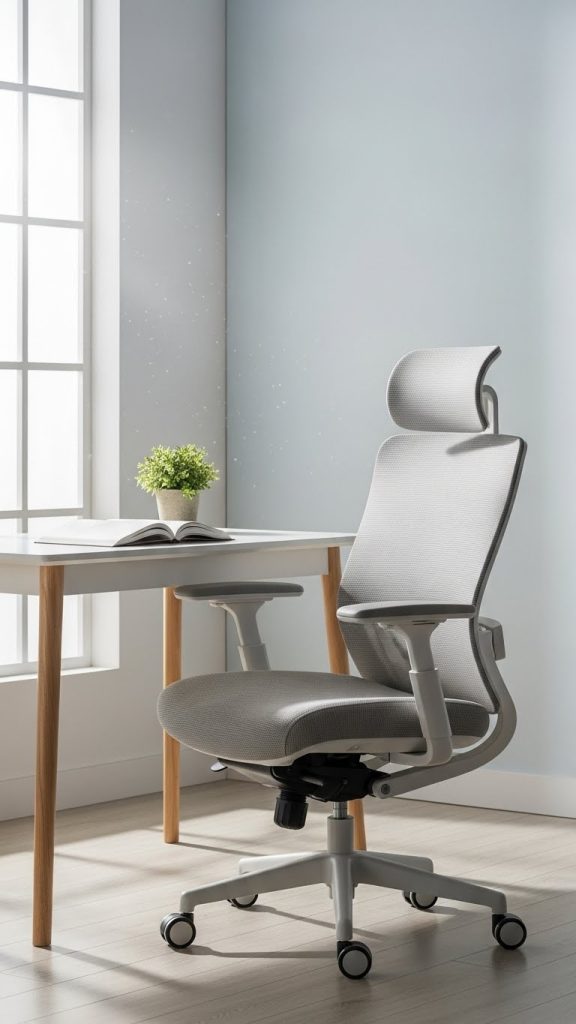
9. Upholstered Chair with Breathable Fabric
Breathability is an important factor in comfort, especially during long study hours. Upholstered chairs with breathable fabrics prevent overheating and discomfort.
Materials such as mesh-backed upholstery or woven fabrics allow airflow while still offering padding. These chairs remain comfortable across seasons.
This style is particularly useful in warm climates or non-air-conditioned spaces. Breathable materials help maintain focus by reducing physical discomfort.
It’s a practical choice for students who study for extended periods daily.
10. Adjustable Study Chair for Growing Students
For children and teenagers, an adjustable study chair is essential. As they grow, the chair must adapt to changing height and posture needs.
Adjustable chairs allow seat height, backrest angle, and sometimes seat depth to be modified. This ensures long-term comfort and proper posture during crucial developmental years.
Comfortable cushioning and supportive backs encourage healthy sitting habits. A well-adjusted chair helps prevent strain and promotes concentration.
This option is ideal for students who will use the chair over several years.

Conclusion
Choosing the right chair for a study table is an investment in comfort, health, and productivity. A well-designed study chair supports posture, reduces fatigue, and enhances focus—making long study sessions more effective and less physically demanding.
The ten chair ideas explored in this guide demonstrate that comfort comes in many forms, from fully adjustable ergonomic chairs to cushioned upholstered options and minimalist designs. The best choice depends on individual needs, study habits, and available space.
Ultimately, a comfy study chair should support the body quietly and reliably, allowing the mind to stay engaged. When comfort and function align, studying becomes not just productive—but sustainable and enjoyable.