10 Bedroom Renovation Ideas

A bedroom renovation is one of the most personal and impactful home improvement projects you can undertake. Unlike shared spaces such as living rooms or kitchens, the bedroom is a private sanctuary—a place for rest, recovery, reflection, and comfort. A well-designed bedroom does more than look attractive; it supports better sleep, reduces stress, and improves daily well-being. Renovating this space is not about following trends blindly, but about creating an environment that truly works for your lifestyle and emotional needs.
Over time, bedrooms often become outdated, cluttered, or disconnected from how we actually live. Furniture no longer fits the space, lighting feels harsh, storage is inadequate, and the overall atmosphere may feel uninspiring. Renovation offers the opportunity to reset—to rethink layout, color, materials, lighting, and functionality. Whether the goal is luxury, simplicity, coziness, or efficiency, thoughtful renovation can dramatically transform how the bedroom feels and functions.
This guide explores 10 bedroom renovation ideas, each focusing on a key design principle. These ideas range from structural upgrades to aesthetic changes and practical improvements. They are adaptable to different budgets, room sizes, and personal styles. Whether you are planning a full remodel or a gradual refresh, these concepts will help you create a bedroom that feels intentional, comfortable, and deeply personal.
1. Reimagining the Bedroom Layout
One of the most overlooked renovation steps is reassessing the room’s layout. Many bedrooms follow the same furniture arrangement for years without question, even when it no longer makes sense for the space.
Renovation is the perfect time to reconsider how the room flows. Start by identifying the natural focal point—this could be a window, a view, a feature wall, or the bed itself. Positioning the bed thoughtfully improves balance and functionality. Avoid blocking windows or crowding doorways. Clear pathways around the bed make the room feel calmer and more spacious.
In larger bedrooms, creating zones can add comfort. A reading corner, a small desk area, or a dressing space can coexist with the sleeping zone if properly planned. In smaller rooms, simplifying the layout—removing unnecessary furniture and choosing multifunctional pieces—can dramatically improve comfort.
A smart layout renovation makes the bedroom feel intentional and restful, even before décor is added.

2. Updating Wall Colors and Finishes
Walls set the emotional tone of a bedroom. Renovating wall colors or finishes is one of the most transformative changes you can make.
Soft, calming colors such as warm whites, muted beige, sage green, dusty blue, soft gray, and taupe are popular choices because they promote relaxation. Darker tones—such as charcoal, navy, forest green, or deep brown—can also work beautifully when balanced with warm lighting and textures, creating a cozy, cocooning effect.
Beyond paint, wall finishes add depth and character. Options include textured plaster, limewash, wallpaper, wood paneling, shiplap, or fabric panels. An accent wall behind the bed can serve as a focal point without overwhelming the room.
Renovating walls is not just cosmetic—it reshapes how light interacts with the space and how the room feels emotionally.

3. Investing in Better Lighting Design
Lighting is one of the most important yet underestimated aspects of bedroom renovation. Poor lighting can make even the most beautiful bedroom feel uncomfortable.
A renovated bedroom should use layered lighting. This includes ambient lighting (general illumination), task lighting (reading lamps or vanity lights), and accent lighting (wall sconces, LED strips, or decorative lamps). Relying on a single overhead light creates harsh shadows and an uninviting atmosphere.
Warm light temperatures are essential for bedrooms. Lighting should feel soft and calming, especially in the evening. Dimmer switches allow flexibility, letting you adjust brightness based on time of day and activity.
Renovating lighting not only improves aesthetics but also supports healthier sleep patterns and daily routines.

4. Upgrading the Bed and Headboard
The bed is the centerpiece of the bedroom, and upgrading it can instantly elevate the entire space. During renovation, this is an ideal place to invest.
A well-designed headboard adds structure and visual interest. Upholstered headboards bring softness and luxury, while wooden or paneled headboards add warmth and character. Built-in headboards with shelving or lighting offer both style and functionality.
Choosing the right bed size matters. A bed that is too large overwhelms the room, while one that is too small may feel inadequate. Renovation allows you to select proportions that suit the space perfectly.
An upgraded bed enhances comfort, improves sleep quality, and anchors the design of the entire bedroom.

5. Improving Storage with Smart Solutions
Storage is often one of the biggest challenges in bedrooms. Renovation provides an opportunity to replace clutter with thoughtful organization.
Built-in wardrobes, floor-to-ceiling closets, or custom cabinetry maximize storage without consuming extra floor space. Under-bed storage drawers, storage benches, and multifunctional furniture help keep the room tidy and calm.
Open shelving can be used selectively for books or décor, but excessive open storage can feel cluttered. Renovation is the time to strike a balance between accessibility and visual calm.
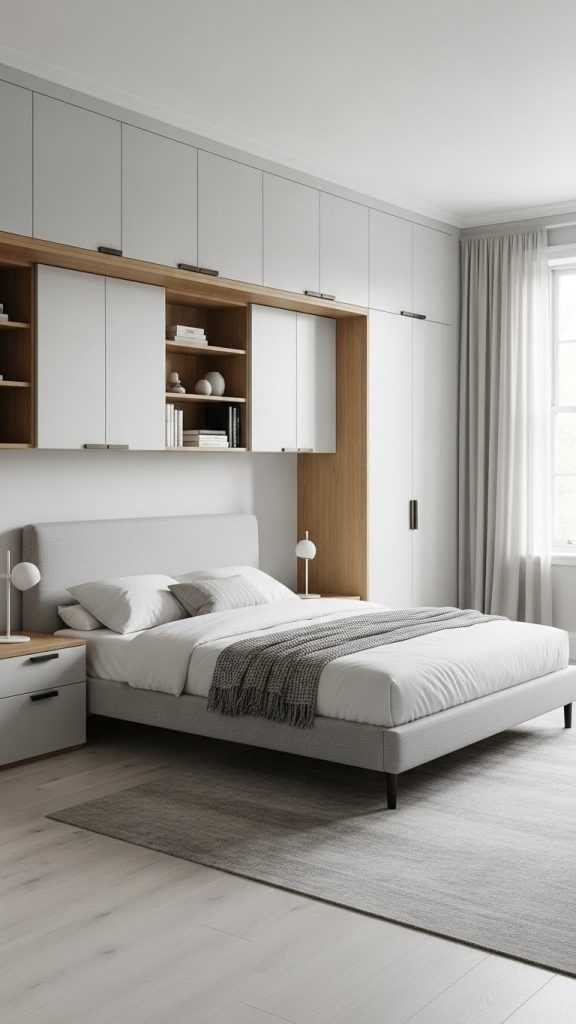
Well-planned storage reduces stress and helps maintain a serene bedroom environment long after renovation is complete.
6. Upgrading Flooring for Comfort and Warmth
Flooring plays a major role in how a bedroom feels underfoot and visually. Renovation allows you to choose materials that enhance comfort and warmth.
Hardwood floors, engineered wood, and laminate are popular for their durability and timeless appeal. Softer options like cork or carpet add warmth and sound absorption. Area rugs layered over hard floors create softness and define the sleeping zone.
Color and texture matter. Warm wood tones or neutral carpets make the bedroom feel inviting, while cold or glossy surfaces can feel unwelcoming.
Upgrading flooring during renovation improves insulation, reduces noise, and adds a tactile layer of comfort to daily life.

7. Creating a Cohesive Material and Texture Palette
A successful bedroom renovation focuses on harmony. Choosing a consistent palette of materials and textures helps the space feel cohesive and intentional.
Natural materials—wood, linen, cotton, wool, leather, and stone—are especially effective in bedrooms. They add warmth and age gracefully. Mixing textures, such as soft bedding against solid wood furniture, creates visual depth without clutter.
Avoid introducing too many competing materials. Renovation is about editing as much as adding. A restrained palette makes the bedroom feel calm, balanced, and timeless.
This cohesion is what separates a renovated bedroom from a merely redecorated one.

8. Enhancing Windows and Natural Light
Windows are a powerful asset in any bedroom. Renovation is an opportunity to improve how natural light enters and interacts with the space.
Replacing heavy or outdated window treatments with lighter fabrics—such as linen or sheer curtains—can dramatically brighten the room. Layered window treatments allow flexibility, offering privacy at night and openness during the day.
If structural changes are possible, enlarging windows or adding skylights can transform the bedroom entirely. Even small upgrades, like new curtain rods or updated blinds, make a noticeable difference.
Natural light improves mood, regulates sleep cycles, and makes the bedroom feel healthier and more inviting.

9. Incorporating Personal Style and Meaningful Details
A bedroom renovation should reflect who you are. This is the space where personal style matters most.
Artwork, photographs, books, heirlooms, and meaningful décor should be integrated thoughtfully. Renovation allows you to design display spaces—shelves, niches, or gallery walls—that feel intentional rather than cluttered.
Avoid filling the room with generic décor. A few meaningful pieces create emotional warmth and authenticity. The goal is to feel at ease in your own space, not to impress.
Personal details turn a renovated bedroom into a true sanctuary.

10. Prioritizing Comfort and Sleep Quality
Ultimately, the success of a bedroom renovation depends on how well it supports rest. Comfort should guide every decision.
Mattress quality, pillow support, bedding materials, sound control, and temperature regulation all influence sleep. Renovation is the time to address these factors holistically.
Blackout curtains, sound-absorbing textiles, and proper ventilation contribute to better rest. Choosing breathable fabrics and avoiding overly stimulating colors also helps create a sleep-friendly environment.
A renovation that prioritizes sleep quality improves not just the bedroom, but overall health and daily life.

Conclusion
A bedroom renovation is an investment in comfort, well-being, and personal expression. It is not about following trends or copying showrooms, but about creating a space that truly supports rest and reflects who you are. From layout planning and wall finishes to lighting, storage, materials, and sleep comfort, every decision shapes how the bedroom feels and functions.
The 10 bedroom renovation ideas explored in this guide demonstrate that successful renovation is holistic. Each element—layout, color, lighting, furniture, storage, flooring, texture, light, personality, and comfort—works together to create a balanced and restorative environment.
When done thoughtfully, a bedroom renovation transforms more than a room. It transforms the way you begin and end each day, making your home a place of genuine rest and renewal.